Fatima Zahra Mansouri Makes History as Morocco’s First Female Prime Minister
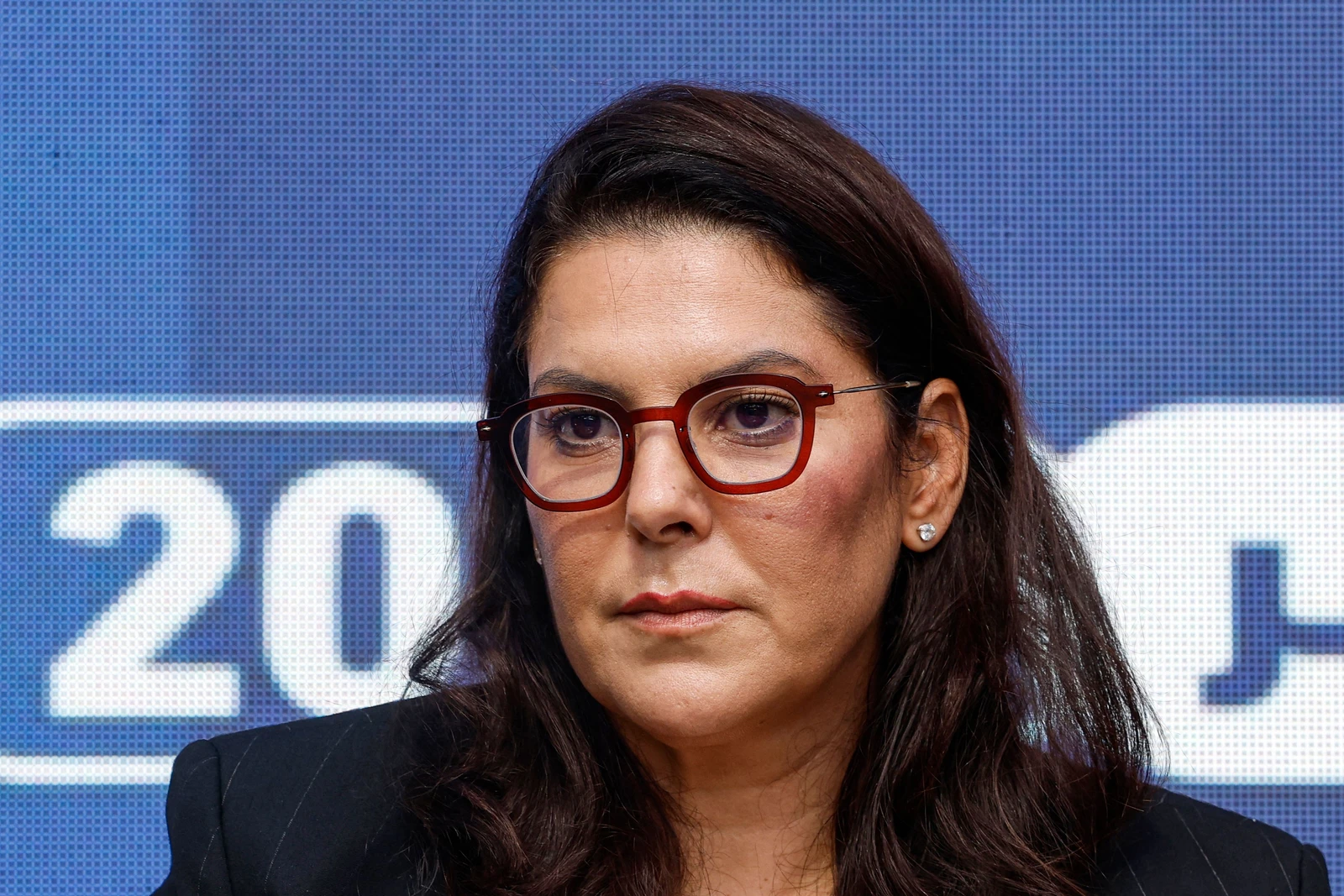
Morocco’s first female prime minister has officially been named. On Tuesday, King Mohammed VI appointed Fatima Zahra Mansouri, the country’s Urban Planning Minister, to lead the government, a landmark moment for the North African kingdom.
The 50-year-old lawyer, who was serving as mayor of Marrakech up until her nomination, has been asked to form a new government, according to a statement from the Royal Palace. Her appointment came just four days after the results of parliamentary elections were released, with her centrist Authenticity and Modernity Party, known as PAM, finishing in first place.
A Milestone for the Arab World
Mansouri’s rise carries significance well beyond Morocco’s borders. She becomes only the second woman to serve as prime minister in the Arab world, following Najla Bouden of Tunisia.
In a region where women remain underrepresented at the highest levels of power, her appointment is likely to be seen as a symbolic step forward, both for Moroccan politics and for female leadership across the Arab world.
How the Prime Minister Is Chosen
Morocco’s system gives the king, who holds the highest authority in the country, the power to appoint the prime minister. However, there is an important condition. The king must pick the prime minister from the party that wins the most seats in parliament.
That rule was not always in place. It was introduced in 2011 after Arab Spring protesters pushed for political reforms. Before that change, the king was free to choose whoever he wanted for the role.
Because PAM came out on top in the latest election, the appointment of one of its senior leaders followed the constitutional framework.
Who Is Fatima Zahra Mansouri?
Mansouri brings years of political experience to her new role. Her career includes:
- Joining PAM when it was founded in 2008
- Serving twice as mayor of Marrakech
- Working as a member of parliament
- Becoming one of the party’s top leaders in 2024
- Holding the post of Urban Planning Minister
She studied law at the University of Montpellier in France before building her career in politics.
PAM itself has close ties to the palace. The party was founded by Fouad Ali El Himma, a childhood friend of the king who has also served as one of his closest advisers.
Family Background
Mansouri comes from a prominent Marrakech family. Her father, Abderrahmane El Mansouri, was a senior local official known as the “pasha of Marrakech.” He also served as Morocco’s ambassador to the United Arab Emirates, led the city’s bar association and owned land in the area.
Facing Controversy
Her path to the top has not been free of controversy. An anonymous group of hackers accused Mansouri of using her position for personal benefit in connection with land deals in Marrakech, raising claims of a conflict of interest.
Mansouri firmly rejected the accusations, describing them as defamatory, and responded by taking legal action. The allegations have not been proven.
A Historic Win for PAM
The election marked a turning point for the Authenticity and Modernity Party. Of the 15.8 million registered voters, around one million cast their ballots for PAM, giving the party its first-ever victory since it was created.
The vote also took place at a sensitive time for Morocco. It was the first election held since:
- The Ceuta migration crisis in July of last year
- Deadly protests led by young people last year
These events placed issues such as migration, youth frustration and economic opportunity firmly on the national agenda.
The Challenge of Building a Coalition
Winning the most votes is only the first step. Morocco’s electoral system makes it very hard for any single party to secure an outright majority in parliament, so Mansouri will need to form a coalition to govern.
PAM has signaled it is open to working with all political parties. However, not everyone is willing to join. The moderate Islamist Justice and Development Party and the left-wing Federation of the Democratic Left have both said they plan to stay in opposition.
The coming days will be critical as Mansouri negotiates with potential partners to secure enough support for a stable government.
Big Promises, Big Expectations
Once her government is formed, Mansouri will face a demanding agenda. Her administration is expected to:
- Oversee billions of dollars in investment tied to the 2030 FIFA World Cup, which Morocco is co-hosting
- Tackle inflation, which has squeezed household budgets
- Raise wages for workers
- Create jobs, particularly for young people
The World Cup represents a major opportunity for Morocco to boost infrastructure, tourism and its international profile. At the same time, voters will be watching closely to see whether everyday economic concerns are addressed, especially after last year’s youth-led unrest.
What Her Appointment Means
Mansouri’s appointment carries both symbolic and practical weight. Symbolically, it breaks a long-standing barrier in Moroccan politics and adds to the small number of women who have led governments in the Arab world.
Practically, she takes office at a time of high expectations. She will need to hold together a coalition, deliver economic results and manage major national projects, all while facing scrutiny over the allegations she has denied.
What Comes Next
All attention now turns to coalition talks. How quickly Mansouri can assemble a working government, and which parties agree to join her, will shape the direction of Morocco’s politics in the years ahead.
For many Moroccans, particularly women, her appointment marks a moment of history. Whether it also becomes a moment of real change will depend on what her government is able to achieve.
Author