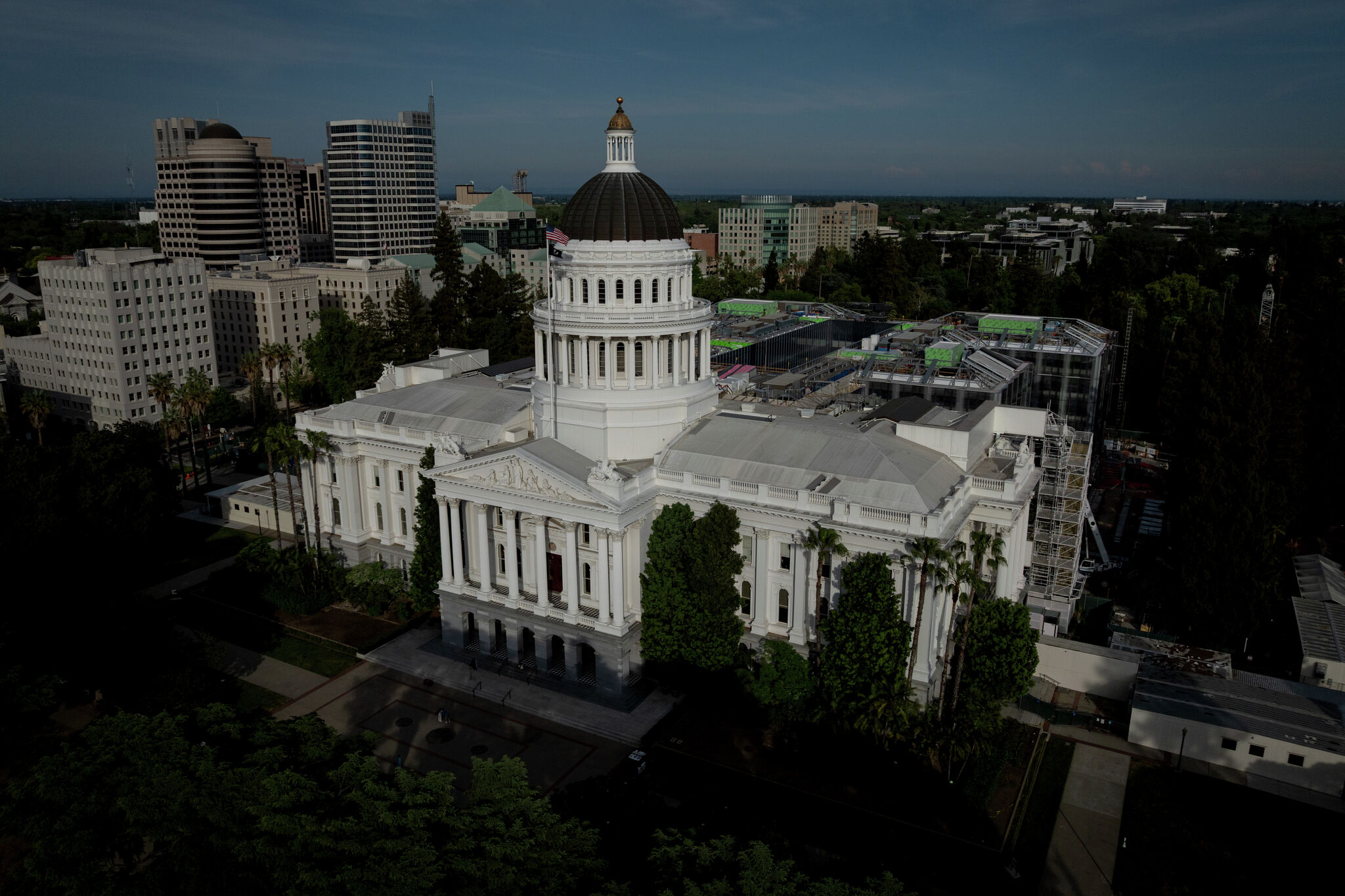
The Newsom return-to-office mandate quietly rolled into effect this week, and downtown Sacramento offered an early look at how the sweeping order is beginning to reshape daily life for state workers. As employees trickled back for the first day of the new four-day in-office requirement, the changes were noticeable, though not everyone experienced them the same way.
A Morning of Mixed Impressions
For some, the shift was immediately apparent. Bruce Engel, walking to his office along 8th Street on Wednesday morning, said he spotted a clear difference before he even reached his desk. He typically parks at Southside Park, and on this particular morning the lot was noticeably busier than it had been in previous weeks.
Engel did not hesitate when asked whether he had noticed a change. In his view, the uptick in cars searching for spaces was obvious, a small but telling sign that more people were heading downtown.
Others were less convinced, at least for now. Amy Mey offered a more measured assessment, saying she had not yet run into any real trouble finding parking. Still, she suspected the true test was yet to come. With the holiday break wrapping up, she anticipated that the following week would bring heavier traffic and a more crowded commute once the full return settled into a routine.
What the Commute Actually Looked Like
Beyond the parking lots and sidewalks, the broader picture of the morning commute told a relatively calm story. On the freeways leading into the city, there were no major backups or unusual bottlenecks. Drivers moved through their usual routes without the kind of gridlock that a sudden surge of returning workers might have caused.
That said, the streets themselves felt a little different to some. Jackson Cooke, spending his summer interning at a private business downtown, noticed the change on ground level. He described the streets as visibly more crowded than they had been in recent days, a subtle but real shift in the rhythm of the area.
Cooke’s observation was echoed quietly by others. Several people who identified themselves as state workers, but preferred not to give their names, said they had watched street parking spots fill up earlier in the morning than usual. Taken together, these small details painted a picture of a downtown slowly adjusting to a larger daytime population.
The Order Behind the Changes
The activity on Sacramento’s streets stems directly from a decision that has stirred considerable debate. Under the new mandate, state workers are required to return to the office four days a week, a significant increase for many who had grown accustomed to more flexible or remote arrangements.
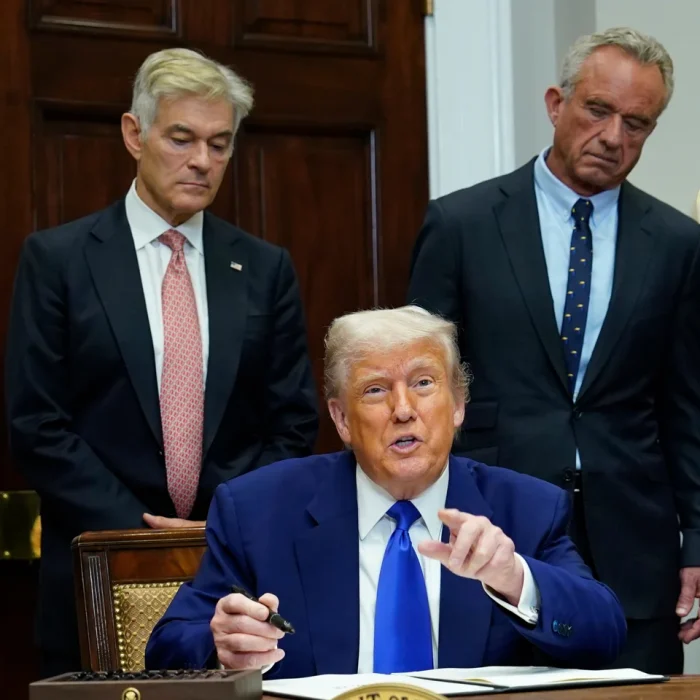
The timing of the rollout is notable. It comes just days after Governor Gavin Newsom made clear that he had no intention of reversing course. Despite pushback, the governor has stood firmly behind the policy, signaling that the return-to-office expectation is here to stay.
For workers across the state, that firmness leaves little ambiguity. The days of largely remote work appear to be winding down, at least within California’s state government, and the first day in Sacramento served as an early preview of what the new normal might feel like.
Growing Tension With Labor
Not everyone is embracing the change, and the mandate has already drawn sharp criticism from organized labor. The largest union representing state employees, SEIU Local 1000, has issued a pointed warning about the potential consequences of forcing workers back into offices.
According to the union, the order could trigger a significant loss of talent from California’s public workforce. Their concern centers on the possibility of a mass departure, with employees potentially choosing to leave rather than comply with the stricter in-office requirements.
That warning highlights the deeper stakes lurking beneath the surface of an otherwise ordinary Wednesday commute. The debate is not simply about parking spaces or slightly busier streets. It touches on larger questions about:
- How much flexibility public employees can expect going forward
- Whether rigid in-office rules might drive experienced workers out of state jobs
- How California balances operational goals with employee satisfaction and retention
Why the Small Signs Matter
On the surface, the first day of the mandate might seem uneventful. There were no traffic disasters, no dramatic confrontations, just a modest increase in cars and pedestrians moving through the heart of the city. Yet those small signs carry real significance.
Each additional occupied parking spot and each slightly busier sidewalk represents a tangible shift in behavior, the beginning of what could become a much larger transformation as the policy fully takes hold. The contrast between Engel’s certainty that things had changed and Mey’s wait-and-see attitude captures the uncertainty of this transitional moment.
The reality is that a single day, especially one falling right before a holiday, offers only a partial glimpse. The more meaningful test will unfold in the weeks ahead, once the holiday season passes and the full weight of the four-day requirement settles into place.
Looking Ahead
For now, downtown Sacramento sits at the start of an adjustment period. The initial day brought subtle changes rather than sweeping disruption, but many expect the effects to intensify as more workers return to their routines.
Whether the mandate ultimately strengthens the vibrancy of the city’s core or fuels the kind of workforce exodus the union fears remains to be seen. What is clear is that the policy has set something in motion, and the people who live, work, and commute through Sacramento are only beginning to feel its impact.
As the coming weeks reveal how workers, traffic, and the local rhythm respond, the true scope of the Newsom return-to-office mandate will come into sharper focus. For the moment, though, the city is simply watching, waiting, and adapting one commute at a time.
Author