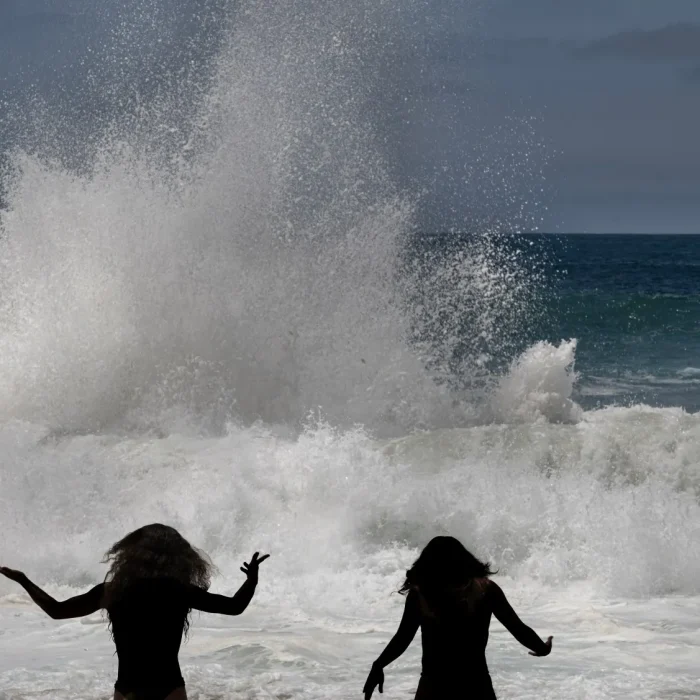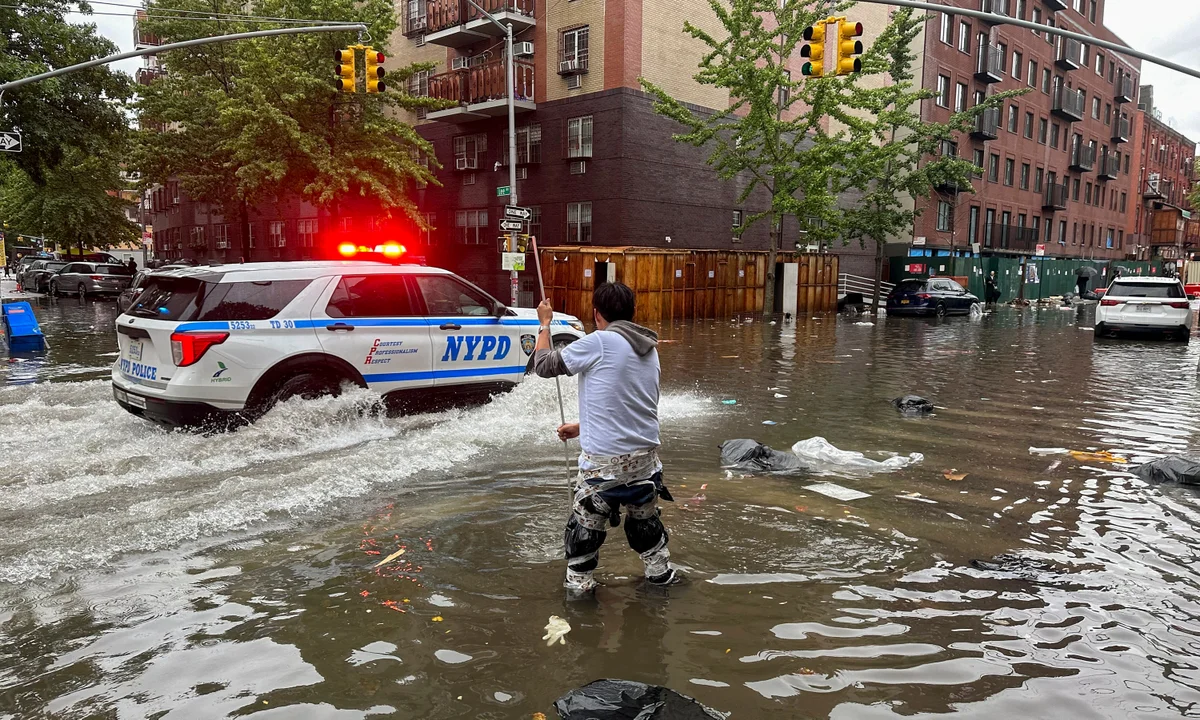
A dangerous flash flood warning NYC residents can’t afford to ignore has thrown the Northeast into a state of high alert, as powerful storms sweep across the region just days after a punishing heat wave scorched the East Coast. More than 60 million people, stretching from Ohio to Massachusetts and Virginia, now find themselves bracing for potentially catastrophic flooding.
A Massive Storm System Descends
The scope of this weather event is staggering. Following a deadly holiday weekend that saw much of the East Coast baking under triple-digit temperatures, the pendulum has swung violently toward heavy rain and flooding.
New York City and Long Island sit squarely at the heart of the danger zone, facing a level 3 out of 4 threat for flash flooding. But the risk extends well beyond these areas. Southern Connecticut, Rhode Island, and southeastern Massachusetts are also in line for significant downpours.
The rainfall projections are alarming. Some parts of the Northeast could see up to 3 inches of rain per hour, while certain locations may accumulate as much as 8 inches before the storms move on. Such intense precipitation over short periods creates ideal conditions for rapid, dangerous flooding.
Warnings Multiply Across the Region
As the storms intensified, official alerts began piling up across the affected areas. A flood watch blanketed the entire New York City metropolitan area through Monday night, signaling the widespread nature of the threat.
The situation escalated further with several specific warnings:
- A flash flood warning was issued for the New York City boroughs of Brooklyn and Queens, where 1 to 2 inches of rain had already fallen by Monday morning.
- More than 2.5 million people in the Philadelphia area received a flash flood warning of their own.
- Flooding was already reported in Philadelphia, including in the Lemon Hill Park neighborhood of North Philadelphia.
These overlapping warnings underscored just how quickly conditions were deteriorating across the region.
City Leadership Sounds the Alarm
New York City Mayor Zohran Mamdani took to social media on Sunday to urge residents to prepare for the incoming storms. His message emphasized both personal safety and community solidarity.
Mamdani encouraged New Yorkers to stay safe, remain prepared, and look out for one another during the difficult period ahead. He also highlighted the proactive steps the city had already taken, noting that municipal workers had spent the weekend clearing catch basins and readying historically flood-prone neighborhoods for the storm’s arrival.
The mayor issued particularly urgent guidance for vulnerable residents. He advised those living in basement apartments to have an evacuation plan ready, warning that if water begins rising around them, they should immediately move to higher ground. This kind of direct, practical advice reflected the serious risk facing low-lying dwellings during flash flooding.
Destruction Already Unfolding
The storms didn’t wait to make their presence felt. In Ocean Township, New Jersey, severe weather likely caused the roof of a BJ’s Wholesale Club to partially collapse while 27 people were inside the store, according to Monmouth County Sheriff Michael Sorrentino.
This dramatic incident served as a stark illustration of the raw power behind the weather system and the very real dangers it posed to people going about their daily lives.
Travel Chaos Takes Hold
The severe weather wreaked havoc on air travel throughout the region. By mid-afternoon Monday, more than 700 flights had been canceled at New York and New Jersey airports as the storms disrupted operations.
The problems extended across the aviation network:
- All major airports in the New York region experienced flight delays exceeding an hour due to thunderstorms.
- The Federal Aviation Administration issued ground stops throughout the day.
- Flights out of Ronald Reagan Washington National Airport and Philadelphia International Airport also faced delays caused by the storms.
For travelers, the disruptions turned an already stressful travel period into a logistical nightmare, with cascading cancellations and delays rippling across the East Coast.
From Scorching Heat to Soaking Rain
Monday’s storms represented a dramatic shift from the extreme heat that had gripped the region just days earlier. Parts of the mid-Atlantic and South had already experienced heavy rain on Sunday night, foreshadowing the deluge to come.
The weekend’s severe weather had also taken a heavy toll on the power grid. At one point on Sunday, more than 800,000 utility customers from Oklahoma to Connecticut lost electricity, including 85,000 in New York alone.
New Jersey was hit especially hard. Governor Mikie Sherrill reported that thunderstorms on Friday night and throughout the weekend knocked out power to nearly 300,000 utility customers. Wind gusts reaching up to 80 mph toppled trees and downed power lines across the state, compounding the misery.
A Deadly Heat Wave’s Grim Legacy
Before the rains arrived, the heat itself had already proven fatal. At least 25 people are suspected to have died in New Jersey as a result of the sweltering heat wave that enveloped a large portion of the country.
The lingering effects of the extreme weather remained evident in the ongoing power outages. As of Monday morning, the following customers still lacked electricity, according to tracking data:
- At least 60,424 in New Jersey
- 43,664 in New York
- More than 95,000 across Pennsylvania
- At least 100,000 in Michigan
New Jersey Health Commissioner Dr. Raynard Washington offered a sobering detail about the heat deaths, noting that many of those who perished were discovered in homes lacking air conditioning. This heartbreaking pattern highlighted the deadly vulnerability of residents without access to cooling during prolonged extreme heat.
Staying Safe Through the Storm
For the tens of millions of people in the storm’s path, the emphasis remains firmly on safety and preparedness. Flash flooding can develop with frightening speed, transforming familiar streets into hazardous waterways in a matter of minutes.
Heeding official warnings, avoiding unnecessary travel, and having an evacuation plan ready are all essential steps during events like this. For those in basement apartments or low-lying areas, the advice to move to higher ground when water rises could prove lifesaving.
Final Thoughts
The Northeast finds itself caught in a punishing cycle of extreme weather, lurching from a deadly heat wave directly into dangerous flash flooding. With New York City and Long Island at the center of the storm zone, and warnings stretching across multiple states, the stakes could hardly be higher.
From the partial collapse of a New Jersey store roof to hundreds of canceled flights and widespread power outages, the impacts of this turbulent stretch of weather are already being felt across the region. As Mayor Mamdani and other officials urge caution, the coming hours will test the resilience of communities still recovering from the heat that claimed lives just days before.
For now, residents across the Northeast are left to weather yet another dangerous chapter in an unusually volatile stretch, hoping the worst passes quickly and everyone stays safe until calmer skies return.
Author