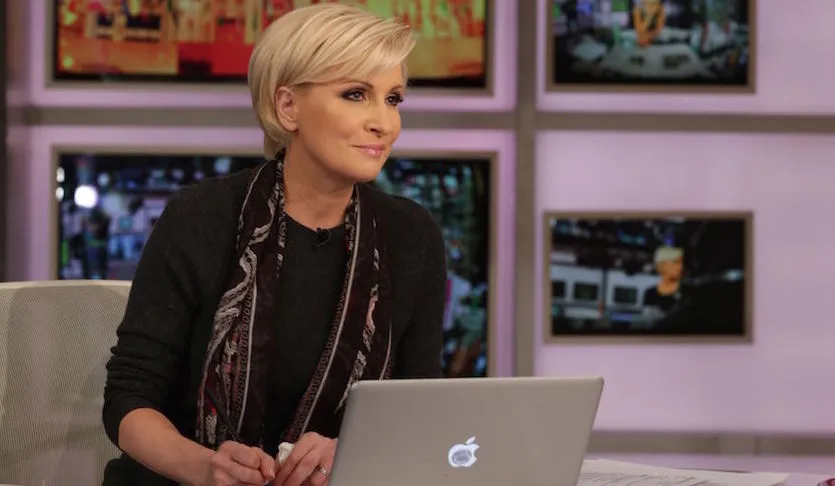
The Dobbs decision anniversary arrived on Wednesday, marking four years since the Supreme Court effectively overturned Roe v. Wade and ended the constitutional right to an abortion. On “Morning Joe,” co-host Mika Brzezinski used the moment to reflect on how far-reaching the ruling’s consequences have become, sharing one story she said she simply cannot forget.
A Ruling With a Domino Effect
Brzezinski described how the 2022 decision triggered a chain reaction across the country, one that reshaped not only abortion-related care but the broader landscape of women’s healthcare.
In the years since, many states have moved to tighten abortion restrictions. According to the discussion, 13 states have enacted outright bans with very limited exceptions. That shift has created a climate of fear among the medical professionals who care for pregnant patients.
The core problem, as Brzezinski framed it, is that providers increasingly worry that any care involving abortion could run afoul of the law, even in situations where a mother’s life or health is on the line.
When Fear Delays Lifesaving Care
The human cost of that uncertainty has been stark. Amy Littlefield, an abortion access correspondent for The Nation, told MS NOW that the consequences can be fatal, describing cases of people dying during miscarriages because doctors were too afraid to step in and save them.
Brzezinski argued that these laws have effectively restricted women’s access to lifesaving healthcare. She pointed to a series of high-profile cases the show has covered, involving pregnant women who faced dangerous delays in states with near-total bans.
Among the outcomes she described were women whose lives were put at risk, who were forced to carry pregnancies involving dying or already deceased babies, and who in some cases were left unable to have children again after becoming sterilized in the process.
The Image She Can’t Forget
For Brzezinski, one story stood out above the rest. She recounted reporting from ProPublica about Porsha Ngumezi, a 35-year-old mother who died in Texas in 2023 after not receiving timely care during a miscarriage.
It was a single detail that haunted her. She shared that for months after her death, Porsha’s three-year-old son would chase after women on the street who resembled his mother, calling out, “That’s Mommy!”
Brzezinski said that image was the one she couldn’t shake, describing how she keeps imagining that little boy running toward strangers. And, she noted with evident anguish, it’s a story that keeps repeating itself.
A Continuing Reckoning
Four years on, the Dobbs decision continues to reverberate through hospitals, doctor’s offices, and families across the country. The debate over its consequences remains deeply contested, with advocates on different sides drawing very different conclusions about what the data and the individual stories reveal. What’s clear from Brzezinski’s reflection is that, for many, these aren’t abstract policy questions but deeply personal tragedies that linger long after the headlines fade.
If you or someone you know is navigating a difficult pregnancy or pregnancy loss, reaching out to a trusted healthcare provider or a support organization can help you find guidance and care suited to your situation.
Author