A dramatic oil surplus is on the horizon. After enduring what may be the largest oil supply disruption in history, global markets are now bracing for a swing in the opposite direction. The International Energy Agency (IEA) projects that 2027 will bring a significant supply overhang, fueled by the recovery of the Strait of Hormuz and a wave of returning Middle East barrels. In its latest monthly report, the agency painted a picture of a market moving from acute scarcity toward abundance, with major implications for prices, inventories, and energy strategy worldwide.
The Big Shift: Scarcity Giving Way to Surplus
The IEA’s headline message is striking in its reversal. According to the agency’s report released Wednesday, the oil market is set to tip into a substantial surplus in 2027 once it recovers from the closure of the Strait of Hormuz.
The numbers behind that forecast are dramatic. In its first detailed look at 2027, the IEA expects oil supply to surge by 8 million barrels per day, while demand grows by only 2 million barrels per day. That mismatch points to a market awash in crude, a stark contrast to the shortages that defined the war period.
The catalyst for this turnaround is diplomacy. The United States has announced an interim agreement to end the Iran war, a deal that includes Iran reopening the strait and the US lifting its naval blockade. If it holds, that arrangement could finally close the chapter on a disruption the IEA estimates blocked more than 14 million barrels per day of Middle East output.
The agency, which advises industrialized nations, struck a cautiously optimistic tone. It noted that if the deal sticks, exports and production from the Gulf should gradually recover, especially since Iranian oil exports can fully resume once the US blockade is removed.
Middle East Flows Are Already Climbing
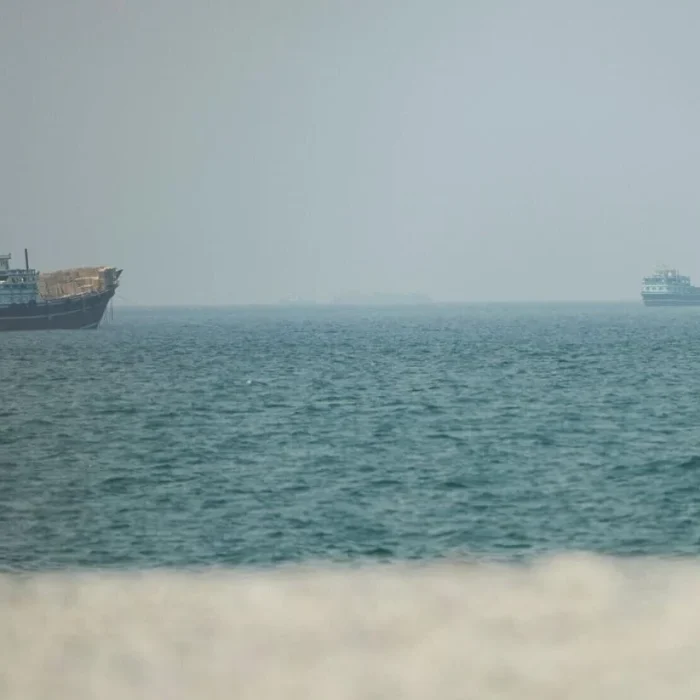
The recovery isn’t merely a future projection; it has already begun. The IEA reported that flows through the strait were rising by early June, helped by an uptick in ship-to-ship transfers in the Gulf of Oman.
That improvement lifted total Middle East flows to roughly 12 million barrels per day in early June, a notable rebound from a May low of just 9.6 million barrels per day.
Still, the path forward isn’t entirely smooth. The agency warned that political and operational hurdles, including prolonged demining efforts and unresolved transit arrangements, create real downside risks to the Middle East’s recovery outlook. In other words, progress is underway, but it remains fragile.
For the current year, the broader supply picture stays tight. The IEA forecasts that oil supply will fall by 3.9 million barrels per day in 2026, as production losses in the Middle East outweigh rising output from the Americas.
Russia Holds Steady Under Pressure
One of the more resilient storylines in the report involves Russia. Despite ongoing Ukrainian drone attacks targeting its refineries, Russian crude oil and refined fuel exports held stable at around 7.4 million barrels per day in May.
That stability came with a strategic adjustment, however. The attacks forced Russia to prioritize fuel supply for its domestic market while maximizing crude oil exports, a balancing act that kept overall export volumes steady even under fire.
Demand Takes a Hit, but Recovery Looms
While supply has dominated the headlines, demand has quietly undergone its own upheaval. The IEA projects that global oil demand will fall by 1.1 million barrels per day this year, following a sharp 5 million barrel-per-day drop between April and June.
More concerning is how widely the pain has spread. The agency noted that demand destruction has reached well beyond the regions initially hit hardest by the Iran war. Deliveries of all major fuels, and gasoil in particular, are showing signs of strain across nearly every region.
The outlook isn’t all gloomy, though. The IEA expects demand to bounce back quickly and grow next year, with falling oil prices and an improving economic picture driving the rebound.
Other forecasters see a softer trajectory. In its own monthly report, rival group OPEC trimmed its 2026 oil demand growth forecast to 970,000 barrels per day, reflecting a more cautious read on the recovery.
Crunching the Numbers: From Deficit to Glut
The contrast between this year and next becomes especially clear in the balance figures.
Based on Reuters’ calculations from the IEA’s forecasts, supply in 2026 is expected to fall about 920,000 barrels per day short of total demand. That’s a meaningful narrowing from the previous month’s report, which had projected a much wider deficit of 1.78 million barrels per day.
The 2027 outlook flips that equation entirely. The IEA’s projections imply that supply will exceed demand by roughly 5.05 million barrels per day next year, as modest demand growth is overwhelmed by a surge in supply, much of it from returning Middle East barrels.
What a Surplus Could Mean
A market tipping into surplus isn’t just an abstract accounting shift; it could carry real benefits. The IEA suggested that the looming 2027 glut could offer a welcome respite to the market, creating an opportunity to refill depleted inventories or even build new strategic reserves.
That possibility comes as countries reassess their energy strategies and policies in the wake of the crisis, potentially reshaping how nations think about energy security for years to come.
The Near-Term Warning
Before any of that relief arrives, however, the market faces a tense stretch. The IEA cautioned that oil inventories could plunge further to historic lows before the balance finally shifts toward surplus late this year.
The drawdown has been severe. Inventories have fallen at a rate of 3.8 million barrels per day since the war began on February 28, with stock draws in May alone running at around 4.6 million barrels per day, according to preliminary IEA data.
That means the journey from shortage to surplus won’t be a smooth glide. Instead, the world may have to weather one more period of dangerously thin inventories before the anticipated abundance materializes.
The Bottom Line
The IEA’s report tells a story of whiplash, an oil market lurching from the most severe supply disruption on record toward a substantial glut in just a couple of years. The reopening of the Strait of Hormuz and the return of Iranian barrels sit at the heart of that transformation.
For consumers and policymakers alike, the implications are significant. Lower prices and replenished reserves could be on the way, but only after navigating the immediate risk of historically low inventories. As diplomacy holds and barrels return, the central question becomes not whether supply will recover, but how the world manages the abundance that may soon follow.
Author