The Strait of Hormuz, one of the world’s most vital oil arteries, has become the center of an unusual problem for the Trump administration. Despite the president publicly declaring the waterway open for business, ship owners aren’t buying it, and tankers remain stuck in the Persian Gulf. Now, officials are floating creative, and controversial, ideas to get the oil flowing again, including a fee-based “VIP pass” that would buy vessels a US naval escort through the dangerous passage.
Pressure From the Top
According to three people familiar with the discussions, administration officials are actively brainstorming ways to revive tanker traffic through Hormuz. The push is coming straight from the highest levels.
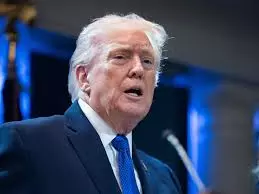
President Donald Trump and White House chief of staff Susie Wiles have reportedly demanded solutions to persuade ship owners to risk the crossing while the United States and Iran continue their peace negotiations. Much of the conversation has focused on a single stubborn obstacle: convincing insurance companies to once again cover vessels traveling through a strait where Iran has already proven it can strike ships successfully.
One person involved described the urgency in blunt terms, saying the president and Wiles have given explicit orders to find a fix. The core challenge, this person explained, is that nearly every transit through Hormuz currently violates insurance policies, raising the question of what could be done to get insurers comfortable enough to start writing coverage again.
Nothing has been finalized, the sources stressed. But the brainstorming reflects how seriously the administration views the standstill.
A Waterway Turned Parking Lot
The scale of the disruption is striking. Just under 500 ships, including 220 oil tankers, remain idled in the Persian Gulf just outside Hormuz, according to figures from the commodity analytics firm Kpler.
The two countries have signed a memorandum of understanding outlining issues to be negotiated in the months ahead, yet traffic remains largely frozen. The reason is simple: ship owners fear the fragile peace could collapse at any moment, and no one wants to be caught in the strait if the fighting resumes.
The White House, for its part, projected confidence. A spokesperson said that thanks to the agreement signed by Trump, the strait would be fully open, and predicted that normal energy flows seen before the conflict, known as Operation Epic Fury, would return shortly. The spokesperson also dismissed any additional claims tied to anonymous sources as baseless speculation.
How the Crisis Began
To understand the current gridlock, it helps to look back at what triggered it. Iran’s attacks on ships in Hormuz, launched in retaliation for US and Israeli strikes against the country, effectively transformed the waterway into a parking lot.
That matters enormously because before the war, roughly 20 percent of the world’s oil passed through this single chokepoint. When that flow was disrupted, fuel prices spiked, handing the White House and Republicans a serious political problem heading into November elections that could determine control of Congress.
There has been some relief. Oil prices have eased to around $75 a barrel as the two nations began working toward a possible long-term peace deal. Still, prices remain elevated compared to where they stood when the war began, keeping pressure on the administration to restore normalcy.
Trump’s Direct Appeal
The president has tried to coax tankers back himself. On Sunday, he announced that he had fully authorized the toll-free opening of the Strait of Hormuz, an invitation for shippers to resume operations.
The response, however, has been underwhelming. Few companies have taken him up on the offer, wary of the risks that linger despite the diplomatic progress.
That reluctance is exactly what prompted the more inventive proposals now under discussion.
Inside the ‘VIP Pass’ Idea
One concept that has surfaced in talks with industry representatives would let ship owners pay for expedited passage through Hormuz, potentially under the protection of US naval vessels.
A second person familiar with the discussions described the notion as a kind of premium service, essentially attaching a VIP pass to a ship. The idea, as they framed it, is that a fee could buy expedited clearance, possibly accompanied by a military escort. It’s an unconventional approach that would effectively monetize safe passage through one of the planet’s most strategically important waterways.
A Negotiating Tactic Aimed at Europe
The fee discussions aren’t purely about logistics. According to a former administration official, the talk of charging tankers is also a strategic maneuver timed to coincide with the G7 meeting underway in France, designed to pressure European nations into taking a more active role in the region.
The reasoning is that the United States shouldn’t have to shoulder the entire burden of patrolling these waters alone. By introducing the idea of US-charged fees, the former official suggested, the administration is trying to create room for France, Britain, and others to move into the Gulf, take on responsibility for maritime safety and security, and add an extra layer of deterrence against Iran reneging on the deal.
The official framed it as insurance against future trouble: if the agreement falls apart, if a blockade returns, or if military action becomes necessary again, European navies would already be present in the region.
Notably, Trump signaled interest in this approach months ago. Back in April, he argued that the US, not Iran, should be collecting tolls from ships crossing the strait, reasoning that as the victor in the conflict, the United States had earned that right.
Other Tools on the Table
The VIP pass is far from the only idea being weighed. One proposal gaining more serious traction involves invoking the Defense Production Act to require US-based insurance companies to provide coverage for vessels sailing through Hormuz.
That would address the insurance bottleneck directly by compelling participation rather than coaxing it. It also signals how far the administration may be willing to go to break the logjam.
This isn’t the first attempt to tackle the insurance problem, either. Back in March, the administration began offering $20 billion in so-called political insurance to ship owners willing to attempt the Hormuz crossing. That plan attracted few takers. Owners simply weren’t willing to gamble valuable physical property in waters where Iran had been using missiles, drones, and small boats to inflict heavy damage on cargoes worth millions of dollars.
The Bigger Picture
What all of this reveals is a gap between political messaging and commercial reality. The White House insists the strait is open and that normal trade will resume soon, but the shipping industry is responding with caution rather than confidence.
That disconnect leaves the administration searching for incentives strong enough to overcome genuine fear, whether through paid naval escorts, mandated insurance, or pressure on European allies to share the load. Each idea carries its own complications, and none has been locked in.
For now, hundreds of tankers sit waiting in the Gulf, a vivid symbol of how a fragile peace and lingering risk can keep the world’s oil moving at a crawl, even after a president declares the waters open. How the administration resolves this standoff could shape not only fuel prices in the months ahead, but also the broader balance of who keeps watch over one of the most consequential waterways on earth.
Author