Iran Chinese air-defense systems are reportedly weeks away from arriving on Iranian soil, with a first shipment of as many as 400 shoulder-fired launchers set to change what American and Israeli aircraft face over Iranian territory. Three sources described the arrangement to Reuters, placing its value between $60 million and $70 million.
It would rank among the most substantial known efforts Tehran has made to rebuild its short-range air defenses since fighting with the United States and Israel began in late February — a war that exposed how thoroughly Iran’s protective umbrella could be stripped away.
How the Deal Was Structured
The contract was signed with Zhongqing Baoshang International Investment, a Hong Kong-registered firm that sources described as an intermediary sitting between the Iranian buyers and the Chinese manufacturer.
The logistics were mapped out in advance. Deliveries are to begin from Urumqi in western China, then move through Pakistan on the way to Iran. Sources did not specify whether that leg would be flown or driven.
Two Western intelligence sources and one Iranian official added a further detail: Tehran has been examining overland routes more broadly, seeking quieter ways to move Chinese military hardware and dual-use components while reducing the chance of interception or disruption.
Everyone Involved Denies It
The denials arrived quickly and were unusually emphatic.
China’s Foreign Ministry called the report completely groundless, saying Beijing has consistently pushed for peace and for an end to the conflict.
Pakistan’s military public relations arm went further still, describing suggestions that the country was facilitating Chinese air-defense transfers to Iran as entirely fabricated.
Iran’s foreign ministry did not immediately respond, and neither did the Hong Kong company named in the reporting.
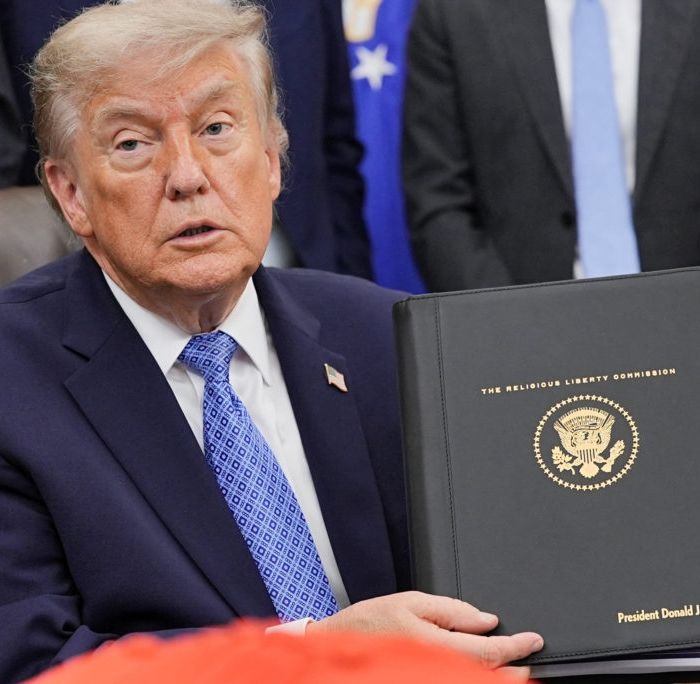
Those denials sit awkwardly against a warning issued from Washington last week. President Donald Trump said both China and Russia had promised not to sell arms to Iran, and cautioned that breaking that pledge would go very badly for them.
Why Small Missiles Matter More Than They Sound
A shoulder-fired launcher does not compare to a strategic air-defense battery on paper. In this particular war, that may be exactly the point.
Israel said in the opening days of the conflict that it had destroyed much of Iran’s air-defense network and was flying freely over western Iran and Tehran itself. Fixed installations are precisely what an opening air campaign is designed to eliminate. They are large, they emit signals, and once located they do not move.
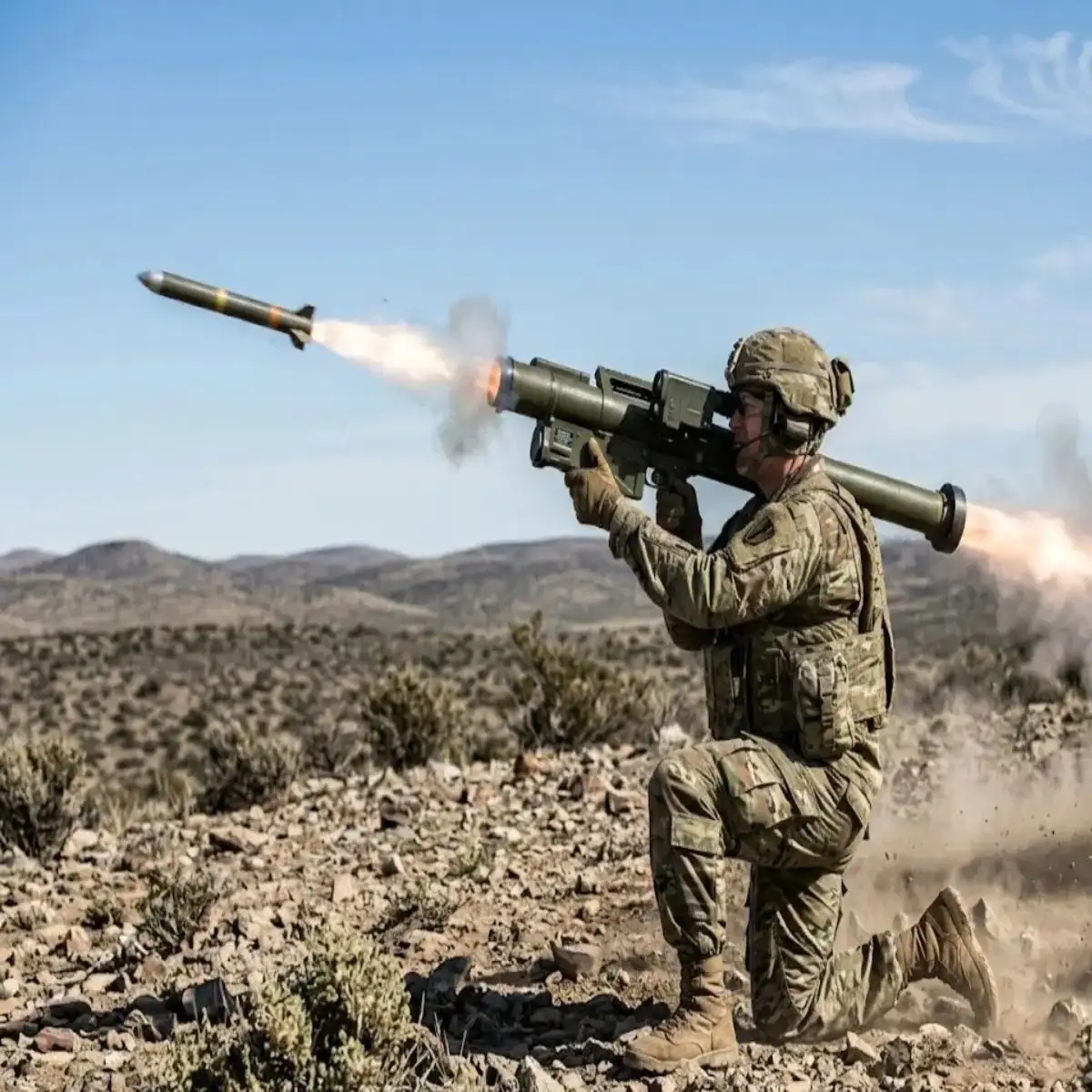
Portable systems invert that problem. Military analysts note that they can be dispersed across a wide area quickly, operated by two or three people, and shifted to new positions constantly. There is no single site to strike, no radar signature to trace back, and no fixed battery to destroy.
The specific weapons involved are infrared-guided surface-to-air missiles of the QW-12 and FN-16 type. They are built to engage aircraft flying low — helicopters, drones and anything operating close to the ground. Their portability means they can be positioned around military installations, energy facilities and other sensitive infrastructure on short notice.
That threat profile matters because of how modern campaigns are actually conducted. Much of the day-to-day work over a contested country involves drones conducting surveillance, helicopters moving personnel, and aircraft operating at lower altitudes for precision work. Those are the missions this class of weapon is designed to interrupt.
Four hundred launchers do not restore a national air-defense system. They do make the airspace expensive.
A Ceasefire That Nobody Is Observing
The transfer would land in the middle of a conflict whose official status bears little resemblance to conditions on the ground.
A ceasefire has technically been in place since April. Fighting has continued regardless. The United States suspended two weeks of bombardment on Saturday, and Trump said strikes would resume if talks fail to bring the five-month war to a close.
Iran has spent those months absorbing damage. American and Israeli forces have struck facilities tied to its missile, drone and air-defense programs. Tehran has answered with waves of ballistic missiles and drones of its own.
Rearming during a pause is not a signal of confidence in negotiations. It is preparation for the alternative.
What It Says About Iran’s Position
The arrangement illustrates something durable about how Iran arms itself under sanctions.
Two decades of investment have given Tehran real domestic capability in missiles, drones and radar. But the war revealed the limits of self-sufficiency, particularly in air defense, and closing those gaps quickly requires foreign suppliers.
Sanctions and import restrictions have made that harder without making it impossible. Intermediary companies, third-country transit routes and overland delivery are the mechanics of working around a system designed to stop exactly this.
Reuters has previously reported that Iran was close to a separate agreement with China for anti-ship cruise missiles, though sources could not confirm whether that deal was completed. Anti-ship weapons carry obvious implications given the ongoing standoff over Gulf shipping lanes.
The Wider Question
If the shipment arrives as described, the significance extends past the hardware.
It would indicate that Beijing’s commercial relationships with Tehran continue to function despite direct American pressure, and that the intermediary structures used to move sensitive equipment remain effective. It would also place Pakistan, however unwillingly, in the middle of a transfer route between a major power and a country at war with the United States.
For Washington, the practical consequence is narrower but immediate. Every low-flying mission over Iran becomes riskier, and the cost calculation behind resuming a bombing campaign shifts.
None of this is confirmed. The reporting rests on sources, and the governments named have rejected it outright. But the underlying logic is straightforward enough: a country whose air defenses were dismantled in the first weeks of a war will try to rebuild them, and it will buy what it can from whoever is willing to sell.
Author
-
Lucienne Albrecht is Luxe Chronicle’s wealth and lifestyle editor, celebrated for her elegant perspective on finance, legacy, and global luxury culture. With a flair for blending sophistication with insight, she brings a distinctly feminine voice to the world of high society and wealth.