A Sharp Rebuke at NATO Headquarters
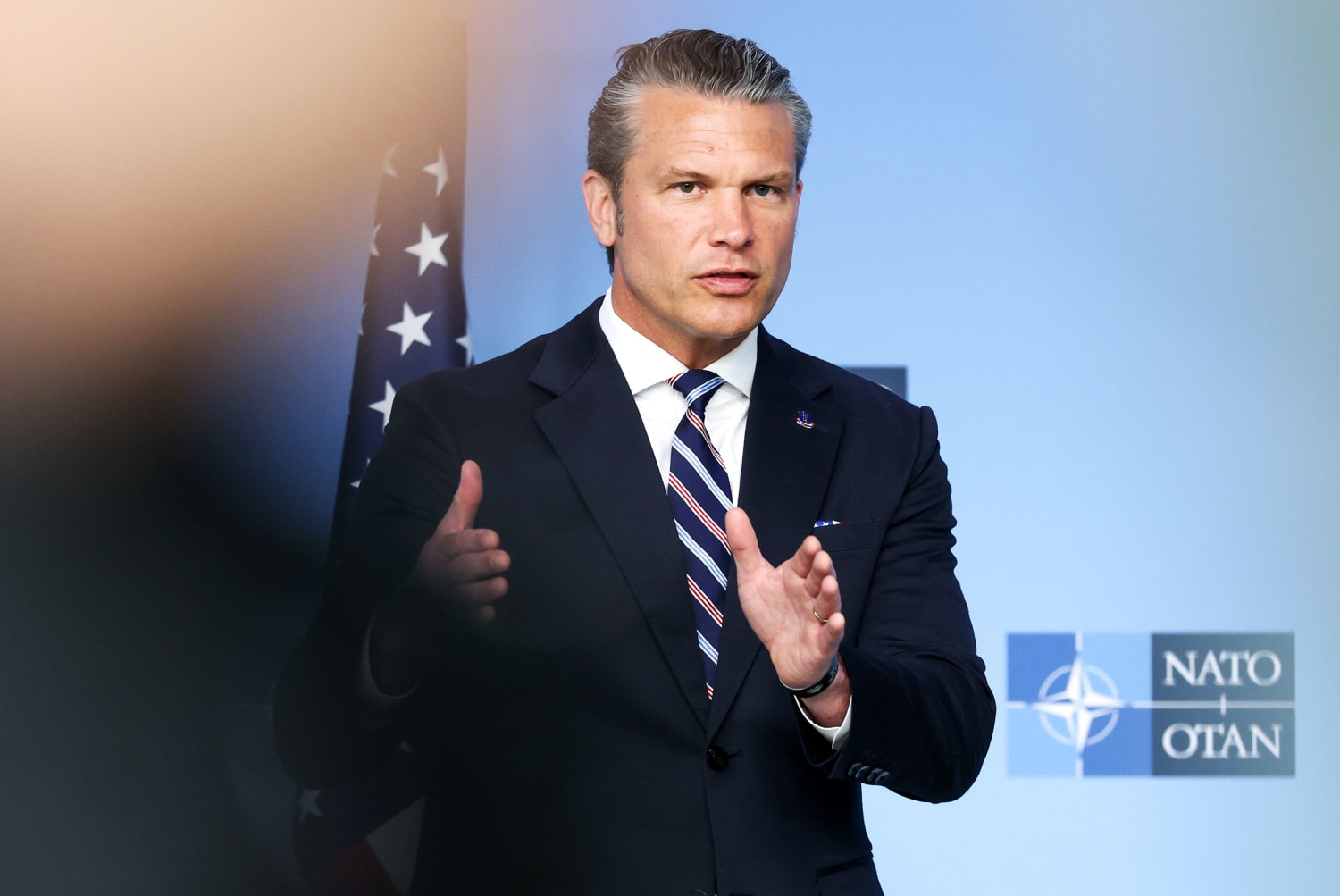
The future of US forces in Europe took center stage this week as US Defence Secretary Pete Hegseth delivered a blistering critique of NATO allies during a rare appearance at the alliance’s headquarters in Brussels. On Thursday, Hegseth announced a six-month Pentagon review of America’s military presence on the continent, signaling a potentially major shift in transatlantic relations.
His remarks were anything but diplomatic. Hegseth accused European nations of prioritizing what he described as liberal ideals over the practical demands of defense, setting off fresh tension within the alliance.
A Review Tied to European Responsibility
The newly announced review will examine how quickly European nations are willing to take ownership of their own security. According to Hegseth, the outcome will depend largely on how fast the Europeans step up to shoulder more of the defense burden.
He made clear this would not be a symbolic exercise. Hegseth described it as a genuine review designed to ensure that NATO moves swiftly and irreversibly toward a future where Europe leads in defending itself.
In stark terms, he warned that some countries would fail the assessment while others would pass with flying colors, framing the review as a kind of test for the alliance’s members.
Another Surprise for European Allies
For European allies and Canada, the announcement was yet another unexpected development in an increasingly unpredictable relationship with Washington. These nations have found themselves repeatedly adjusting to shifting signals from the United States.
US officials and senior military leaders had previously promised to coordinate closely with European partners as Washington reduces its troop presence across the continent. Those drawdowns reportedly began in Germany, Spain, and Italy following clashes between President Donald Trump and the leaders of those countries.
The mixed messaging has only deepened the uncertainty.
Conflicting Signals from Washington
In recent months, both Trump and the Pentagon have sent contradictory signals about America’s military footprint in Europe. At times it has appeared the US might be scaling back, while at others the opposite seemed true.
Adding to the confusion, the administration has floated controversial ideas, including threatening to annex Greenland, a semiautonomous territory belonging to NATO ally Denmark.
Perhaps most alarming to allies, the Trump administration recently indicated it would no longer provide as much military support if a NATO member came under attack, raising serious questions about the reliability of America’s commitments.
Europe Responds with Resolve
European leaders responded to the pressure with a mix of acknowledgment and determination. German Chancellor Friedrich Merz noted that the allies had long understood Washington intended to eventually withdraw troops from Europe.
Merz emphasized that European nations recognize the need to take greater responsibility for their own defense. He stated plainly that they understand more must be done and affirmed that they are actively working toward that goal.
His measured response reflected an effort to project unity even as the alliance faces growing strain.
Anger Over Denied Access
Hegseth’s criticism extended beyond defense spending. In a particularly fiery moment, he lambasted European allies for failing to grant US forces access to bases in Europe to launch attacks on Iran, calling the refusal shameful.
He argued that by denying predictable access, basing, and overflight rights, these allies had put American service members at risk. Hegseth insisted that such cooperation should never have been in doubt in the first place.
He added that the upcoming review would also evaluate whether the United States enjoys full access and overflight privileges whenever it needs them.
Targeting European Social Policies
As defense ministers and military officers listened in silence, Hegseth broadened his attack to include European social policies. His comments echoed remarks made by Vice President JD Vance earlier, which had angered many across Europe.
He criticized the continent for focusing on gender equity, climate change, and what he termed defense austerity rather than investing in tanks, fighters, and air defenses. Hegseth painted a bleak picture of Europe, claiming its borders had been thrown open, its welfare states had expanded, and its defense budgets had collapsed alongside its belief in itself and its civilization.
The pointed remarks underscored a deepening ideological divide between the current US administration and many European governments.
A Brief and Notable Visit
Hegseth’s appearance marked a rare visit to NATO, his first of the year after skipping a meeting in February. His presence drew significant attention, though his stay was short.
The Pentagon chief departed well before the gathering concluded, leaving hours before Ukrainian President Volodymyr Zelenskyy was scheduled to appeal to allies for additional weapons for his country.
His early exit added to the sense of unpredictability surrounding America’s engagement with the alliance.
Mixed Messages at Departure
Before flying home, Hegseth spoke to reporters at Brussels airport, striking a slightly more positive note. He said it was encouraging to hear country after country pledge to meet their defense targets.
Still, he acknowledged that a few outliers remained. Hegseth promised the United States would be clear with those nations as the review moves forward, leaving little doubt about the pressure being applied.
Uncertainty Ahead of the Summit
The combative tone of Hegseth’s remarks may cast a shadow over the alliance as NATO leaders prepare to gather in Turkey early next month for a scheduled summit.
The fiery rhetoric risks creating a climate of uncertainty among allies already grappling with shifting US commitments. As the review unfolds over the coming months, European nations will be watching closely to understand what America’s evolving role means for the future of collective defense.
For now, the alliance finds itself navigating a delicate moment, balancing the demand for greater European responsibility against the need to preserve unity in an unpredictable era.
Author