Hong Kong Security Chief Tells Booksellers to Ensure Titles Won’t Harm National Security
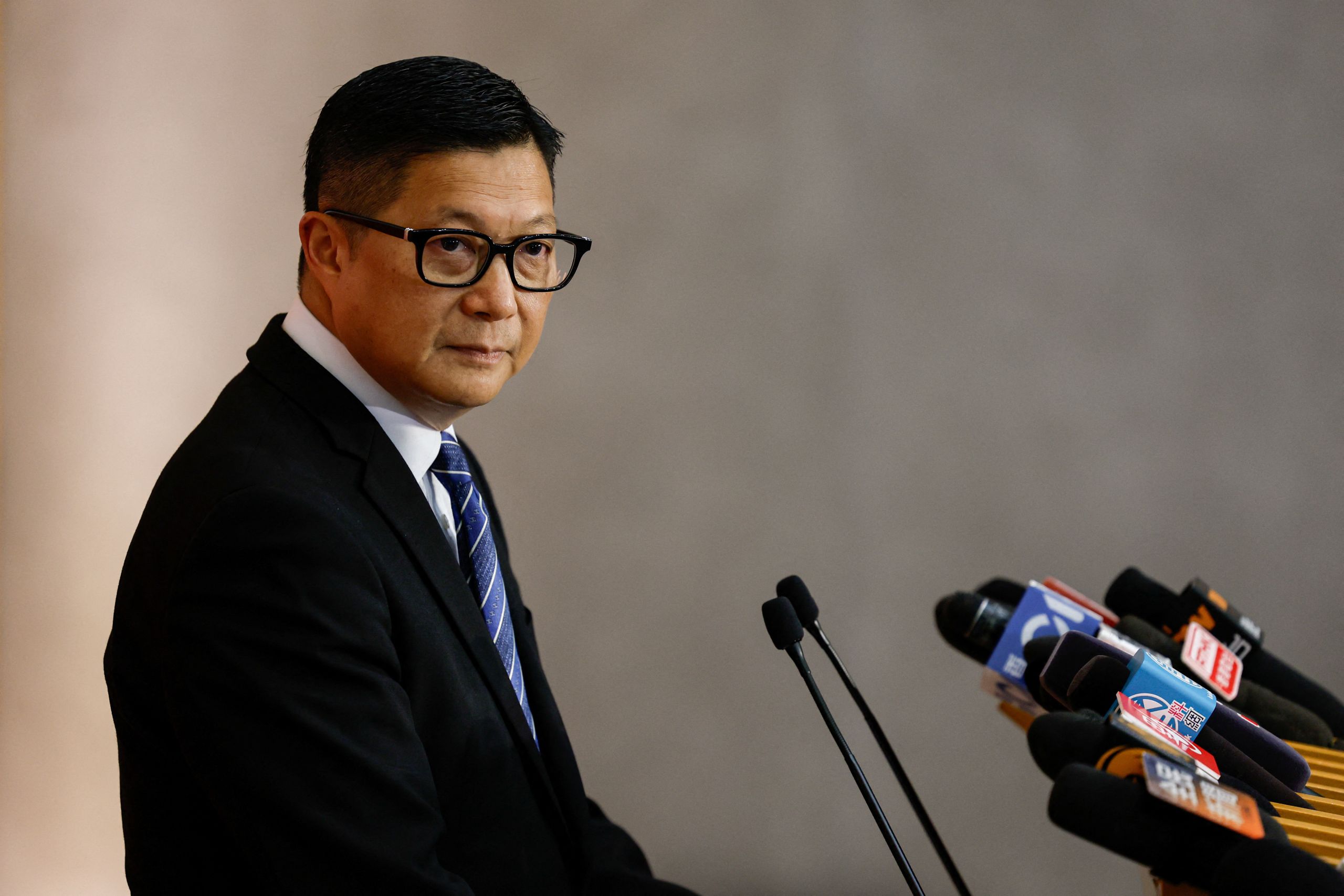
The latest Hong Kong bookseller arrests have reignited concerns over the city’s shrinking space for free expression, prompting a stern message from the territory’s top security official. Speaking a day after five people linked to two bookstores were detained, Secretary for Security Chris Tang declared that booksellers bear the responsibility of ensuring the titles they sell do not endanger national security. His comments have deepened anxieties about where, exactly, the line between lawful and unlawful material now falls.
The Third Crackdown in Four Months
Wednesday’s police operation marked a troubling milestone. It was the third round of arrests targeting independent bookstores within just four months.
The pattern has alarmed critics, who have voiced growing concerns about the state of freedom of expression in Hong Kong. Central to their worry is what they describe as an unclear red line, leaving booksellers uncertain about which titles might trigger legal consequences.
A Message From the Security Chief
Despite the criticism, Tang insisted that the law leaves no room for ambiguity. Speaking to reporters at the legislative building, he framed the responsibility as straightforward.
He argued that just as a bookseller must ensure their inventory does not harm national security, the obligation is comparable to that of a food vendor. Tang compared it to selling food that must not cause a stomach ache, contain poison, or be illegal, suggesting that booksellers should apply similar diligence to the books on their shelves.
No List of Banned Books
When pressed on whether authorities would publish a list of prohibited titles, Tang declined the idea. He argued that creating such a list would not serve effective law enforcement aimed at books intended to harm the country.
He made his stance unmistakably clear, stating that authorities would not let criminals off the hook by providing such a roadmap. The refusal to define specific banned titles, however, is precisely what many critics point to as the source of the uncertainty gripping the city’s bookstores.
Inside the Raids
The Wednesday operation targeted two distinct establishments, each with its own history. Police raided Have A Nice Stay, a bookshop founded by a group of former journalists, as well as the longstanding Greenfield Book Store.
According to authorities, the five individuals arrested were suspected of displaying seditious materials and selling seditious publications. A police statement went further, alleging that the content in question stirred up hatred against the city’s government, judiciary, and law enforcement agencies.
A Bookstore Already on the Brink
For one of the targeted shops, the raid came amid an already difficult chapter. Have A Nice Stay had previously announced that it would close its doors on August 30.
In a social media post, the store cited several factors behind its decision, including financial difficulties and the elusive red line that has made operating so challenging. The bookshop candidly admitted that it could not possibly read through every single book it stocked and lacked the ability to determine which titles might be deemed problematic.
A Pattern of Enforcement
The recent arrests are far from isolated incidents. They form part of a broader campaign against independent booksellers that has unfolded over several months.
The timeline reveals a consistent pattern of enforcement:
- In March, police arrested the owner and staff of the independent Book Punch store, reportedly on suspicion of selling seditious publications. Among the titles was a biography of former pro-democracy media tycoon Jimmy Lai, who was sentenced to 20 years in prison in his national security case.
- In June, Hong Kong police arrested two booksellers on suspicion of selling seditious publications and receiving funds from foreign political organizations.
Together with the latest raids, these actions paint a picture of sustained pressure on the city’s independent literary scene.
International Reaction
The crackdown has drawn attention beyond Hong Kong’s borders. In Taiwan, the self-governing island democracy that China claims as its own, President Lai Ching-te weighed in on the situation.
In a Facebook post, Lai noted that Hong Kong’s freedom of expression and publication were under pressure. He emphasized the broader stakes, describing every independent bookstore as vital in guarding free thought.
The concern extended to Taiwan’s officials as well. Liang Wen-chieh, deputy minister of Taiwan’s Mainland Affairs Council, told reporters that some Taiwanese publishers had already begun self-censoring their book lists when participating in a Hong Kong book fair.
What It Means Going Forward
The repeated arrests and the security chief’s firm stance signal that Hong Kong’s authorities intend to maintain a tight grip on what can be sold in the city’s bookstores. Yet the refusal to clearly define which materials cross the line leaves booksellers in a precarious position, forced to guess at boundaries that carry serious legal risks.
For independent bookshops already grappling with financial pressures, this added uncertainty may prove untenable. The closure of Have A Nice Stay serves as a stark example of the mounting challenges these establishments face.
As the situation continues to develop, the fate of Hong Kong’s independent bookstores has become a barometer for the broader health of free expression in the city. For those who champion the free flow of ideas, each shuttered store and each arrest represents another reason for concern about the direction in which Hong Kong is heading.
Author