An Israeli strike on Hezbollah targets in Beirut has thrown a fragile push for peace into fresh doubt, raising the stakes at a delicate moment in efforts to end the wider regional war. The attack on the Lebanese capital’s southern suburbs has piled pressure on negotiations for a US-Iran deal, even as President Donald Trump insists a truce remains within reach.
A Strike at a Sensitive Moment
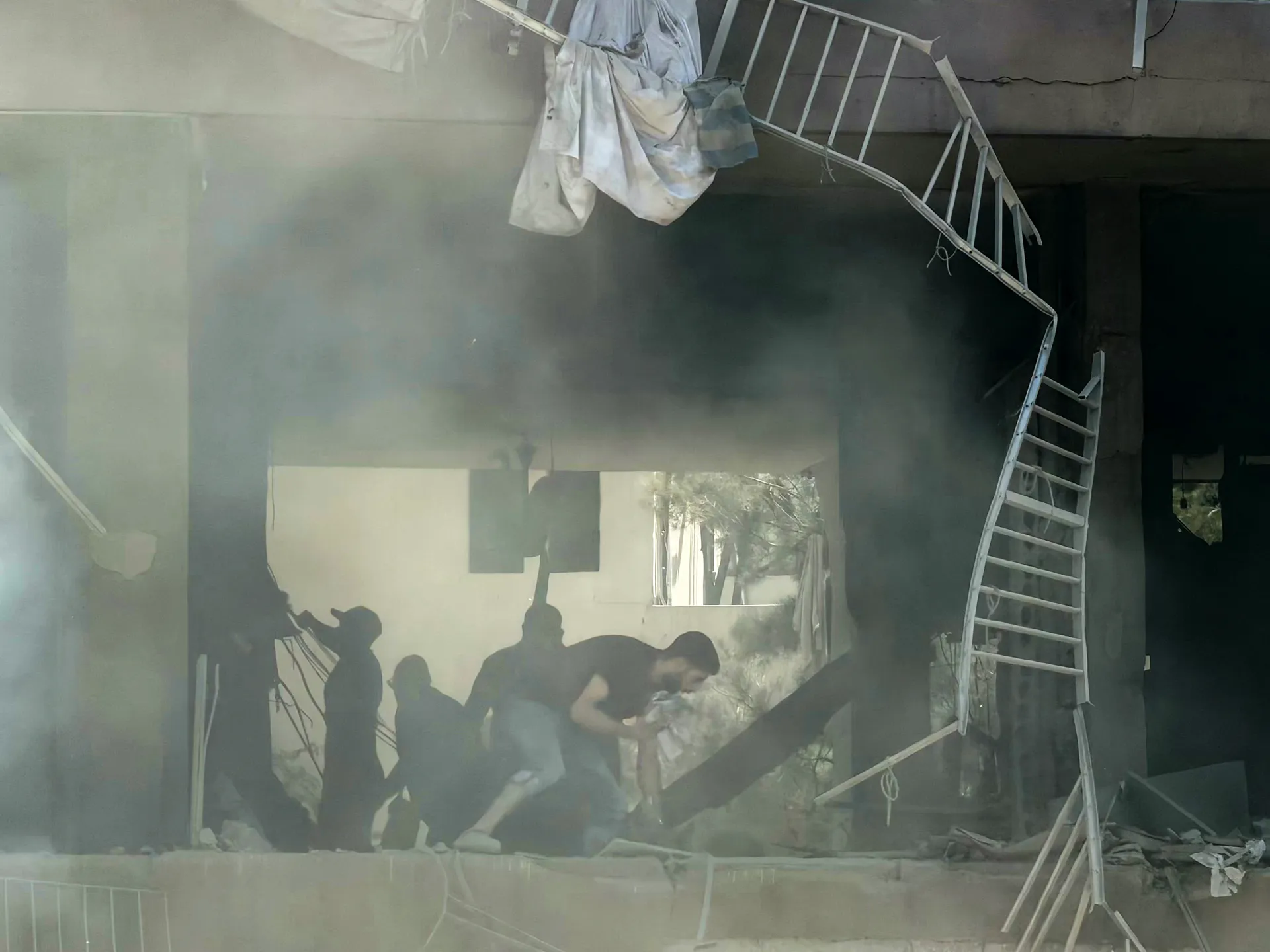
The Israeli air strike hit Dahieh, the southern suburb of Beirut where the Iran-backed armed group Hezbollah is based. The timing could hardly have been more fraught, as the attack came just after the United States announced that a deal with Iran would be signed on Sunday.
Israel said the strike was a direct response to Hezbollah firing toward northern Israel. Yet the move risks reigniting broader hostilities, with Iran vowing to retaliate by attacking Israel. According to Lebanon’s state media, at least three people were killed and 15 others injured in the strike.
Trump’s Warning to Both Sides
President Trump reacted swiftly and pointedly, expressing frustration that the attack had occurred at such a critical juncture. He said the strike should not have happened, particularly on what he called a special day when a peace deal with Iran was so close.
He framed the moment as a potential turning point, suggesting it could mark the beginning of a long and beautiful peace, while urging all parties not to squander the opportunity. At the same time, he attempted to balance his criticism by acknowledging Israel’s position.
In his social media post, Trump argued:
- Israel has the right to defend itself against genuine threats.
- The attack Israel was responding to was, in his words, very small and meaningless, with no one hurt.
- Such a minor incident should not be allowed to derail the broader peace process.
He went further, calling for an end to all attacks, stating there should be no more Israeli strikes anywhere in Lebanon, and likewise no further attacks by Hezbollah or any other party against Israel.
Competing Demands Over Lebanon
At the heart of the diplomatic friction lies a fundamental disagreement over Lebanon’s place in any settlement. Iran has insisted that a truce must also bring an end to the war in Lebanon, where Israel has been fighting Hezbollah, the militia and political party.
Israeli officials firmly reject that condition, maintaining that their military operations must continue. They argue the campaign is necessary to protect Israeli communities from Hezbollah’s rockets and drones.
Since this round of conflict began in March, when Hezbollah launched rockets into Israel, the Israeli military has carried out extensive air strikes across Lebanon and mounted an invasion of the country’s south.
Israeli Unease Over the Deal
Within Israel, where public support for continuing the war remains strong, a growing consensus suggests the potential US-Iran deal could amount to a setback. The concern is that Israel’s military gains against both Iran and Hezbollah have not translated into what could be considered a clear strategic victory.
That frustration was evident in sharp internal reactions. Based on leaks of the agreement, an Israeli military official described it to the Ma’ariv newspaper as very bad and even catastrophic for the country. Separately, an Israeli defence official told the N12 TV channel that none of the goals Israel had set received an immediate response in the agreement.
Lebanon Seeks Distance From Tehran
Meanwhile, the Lebanese government has been working to separate its own situation from Iran’s influence. The aim is to reduce Tehran’s sway within Lebanon and to weaken Hezbollah, part of a broader effort to disarm the group.
The Israeli military said its strike on Dahieh targeted what it described as a command centre used by Hezbollah, following the group’s launch of aerial targets toward Israel.
Iran Pushes Back
Iranian officials responded with both criticism and warnings. Mohammad Bagher Ghalibaf, Iran’s chief negotiator in the talks with the United States, said Israel’s attacks demonstrated that Washington was failing to honor its commitments.
A senior Iranian military official, Brig Gen Mohammad Jafar Assadi, issued an even sharper warning, declaring that the attack would not go unanswered. Such statements underscore how easily the fragile diplomatic process could unravel if hostilities escalate.
Trump Caught Between Allies and Exit
The situation places Trump in a complicated position. Throughout both of his terms, he has been a staunch supporter of Israel. Yet his efforts to pull the United States out of a costly and potentially prolonged Middle East conflict have repeatedly run up against Israel’s ongoing operations in Lebanon.
His apparent desire to broker peace and disengage now sits uneasily alongside Israel’s determination to press forward militarily, creating tension between two objectives that are increasingly difficult to reconcile.
How the War Unfolded
The current conflict traces back several months. Israel and the United States began launching strikes across Iran on 28 February. In response, Iran attacked Israel and US-allied states in the Gulf, and effectively closed the Strait of Hormuz, a vital shipping route for much of the world’s oil and liquefied natural gas.
Lebanon was drawn into the war on 2 March, when Hezbollah fired rockets into Israel in retaliation for an Israeli strike that killed Iran’s supreme leader. Israel answered with a bombing campaign across Lebanon and an invasion of a significant portion of the country’s south. Although the US and Iran agreed to a ceasefire in April, the two sides have continued to exchange intermittent fire.
The Nuclear Question
Underpinning much of the long-running tension is the issue of Iran’s nuclear ambitions. For decades, Western countries have accused Iran of seeking to build a nuclear weapon.
Iran has consistently denied these allegations, insisting its programme is intended for peaceful purposes, including generating electricity and supporting research. That dispute remains a central thread in the broader confrontation.
Final Thoughts
The Israeli strike on Hezbollah in Beirut highlights just how precarious the path to peace remains in the region. With a US-Iran deal hanging in the balance, competing demands over Lebanon, and both sides issuing warnings, the coming days could prove decisive. Whether Trump’s vision of a lasting peace can survive the pressures now bearing down on it remains an open and urgent question.
Author