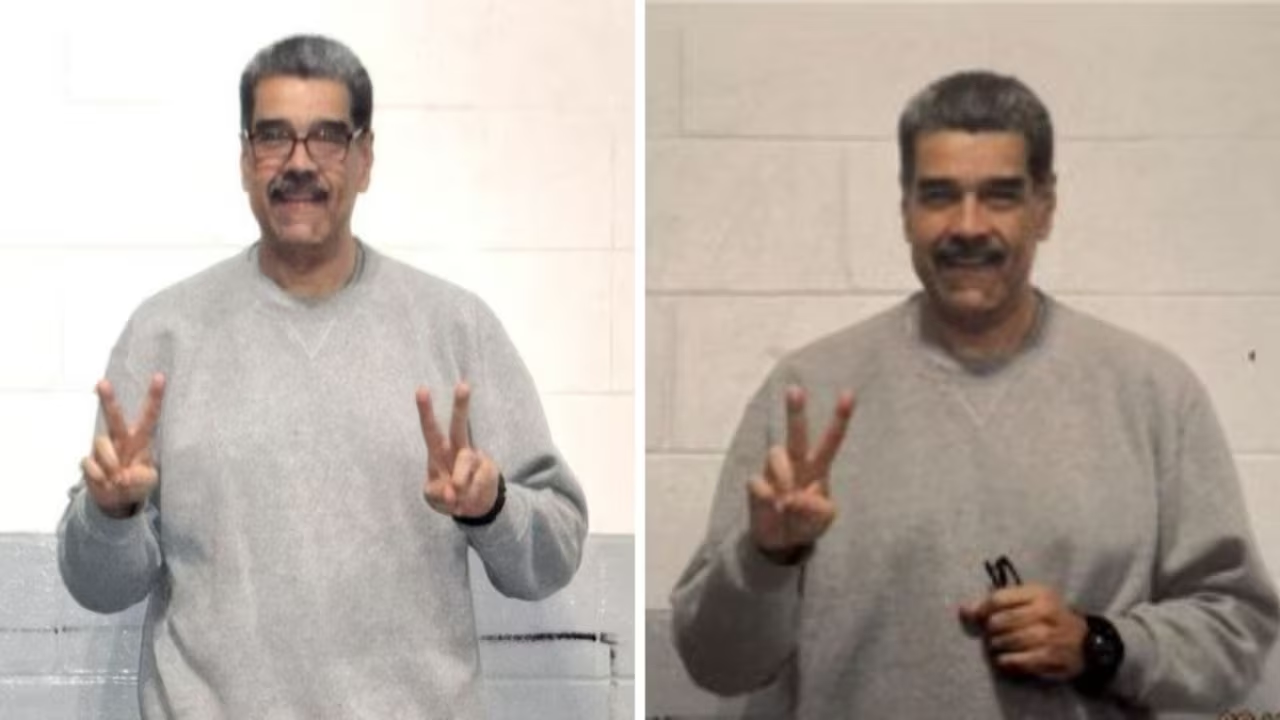
Maduro US detention has returned to the headlines after the former Venezuelan president released two photographs that appear to show him inside the American facility where he has been held since January. The images, shared on social media on Sunday, offer the first public glimpse of Nicolas Maduro since he was taken from Caracas by US special forces.
The Photos and the Message
In the pictures, Maduro is dressed in a grey tracksuit and flashes peace signs with both hands. Observers immediately noted that he looks noticeably thinner than he did before his capture.
The accompanying text, written in Spanish and posted to both X and Telegram, was addressed less to the political world than to his family. He described the photos as a modest gift for his grandchildren, for children generally, and for the people who continue to support him. He said he and his wife were holding firm, sustained by the affection of those following their case.
He closed with a mixture of religious conviction and political defiance, stating that they would stay strong and composed, that God was with them and would provide, and that Venezuela would rise once more.
An Odd Detail in the Timestamp
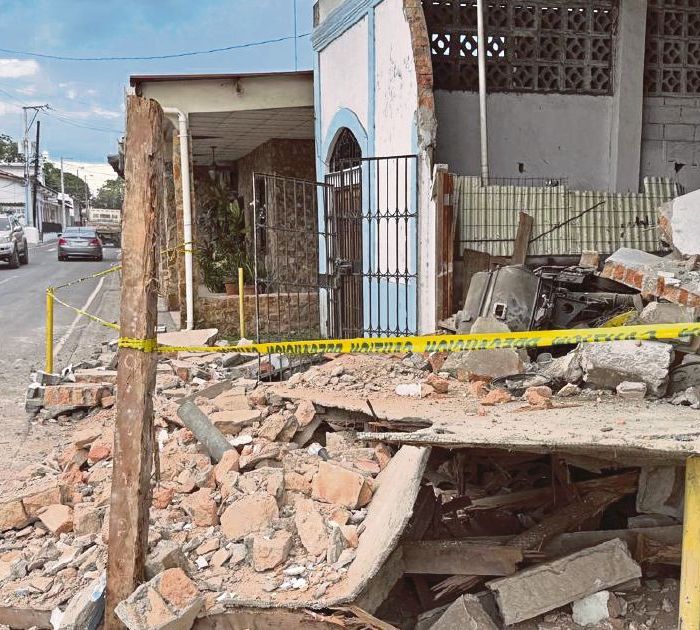
The posts went out on Sunday, but the metadata on both images points to a much earlier date: June 25. That places the photographs one day after two powerful earthquakes struck northern Venezuela, a disaster that killed more than 6,500 people and left extensive destruction behind.
Why images taken in late June only surfaced in late August is unclear. It raises questions about how the photographs left the facility, who handled them, and whether the timing of their release was deliberate.
The AFP news agency reported that it reached out to the detention centre to verify whether the photos were genuine and whether their capture and distribution had been approved. No response had been received at the time of reporting.
How Maduro Ended Up in Brooklyn
Maduro and his wife, Cilia Flores, were seized in January in an operation carried out by US special forces in the Venezuelan capital. Both were flown to the United States and are now held in a facility in Brooklyn, New York.
The charges against them involve drug trafficking and firearm possession. Both have rejected the accusations.
The manner of their removal from Venezuela has been a central point of dispute. Supporters and much of the Venezuelan government describe it as an abduction and a violation of sovereignty. US authorities frame it as a law enforcement action against individuals wanted on serious criminal charges. That disagreement over terminology reflects a deeper divide over whether the operation was lawful, and it remains unresolved.
Life Inside the Facility
Details about Maduro’s day-to-day conditions have been limited, but a source described as close to the former leader has outlined some of the restrictions he faces.
- No access to newspapers
- No access to the internet
- Phone contact permitted with family and legal counsel
- A monthly allowance of roughly 300 minutes of call time
- Individual calls capped at 15 minutes each
These constraints mean he is largely cut off from news about his own country, including coverage of the earthquake response and the political changes taking place in his absence.
The Timing Question and the Oil Agreement
The release of the photographs came two days after a major announcement in Caracas. Interim President Delcy Rodriguez, who succeeded Maduro, unveiled what she described as a historic oil agreement permitting the United States to operate oil fields inside Venezuela.
Rodriguez has maintained that Venezuela retains its sovereignty under the terms of the deal. Critics see the arrangement differently, viewing it as a significant concession by a government negotiating from a weakened position.
Whether the appearance of Maduro’s photos so soon after the announcement was coincidental or calculated is impossible to establish from the available information. What is clear is that the two events have become linked in public conversation, and the image of a defiant former leader circulating just as his successor signs an energy agreement with Washington carries obvious symbolic weight for his supporters.
A Country Under Extraordinary Strain
The past eight months have compressed an unusual amount of upheaval into a short period for Venezuela.
- A sitting president removed from the country by a foreign military force
- A transfer of power to an interim administration
- A catastrophic earthquake with a death toll exceeding 6,500
- A reconstruction burden falling on a state already under economic pressure
- A significant shift in energy policy toward US involvement
For ordinary Venezuelans, the political drama competes with far more immediate concerns: housing, employment, food prices, and rebuilding communities damaged in June.
What Happens Next
The legal process is expected to move slowly. A federal court in New York confirmed in late July that the trial of Maduro and Flores is scheduled to begin on 1 June 2027. That leaves well over a year of pretrial proceedings, filings, and likely disputes over jurisdiction and the legality of their transfer to US custody.
In the meantime, questions surrounding the photographs remain open. Their authenticity has not been independently confirmed, and it is not known whether their release was authorised.
What the images do accomplish, regardless of how they emerged, is to keep Maduro visible. A detained figure who cannot appear on television or give interviews has few tools left to shape public perception. Two photographs and a short message, timed to arrive in a week of consequential news, function as a reminder that he intends to remain part of Venezuela’s political story even from a cell thousands of kilometres away.
Author