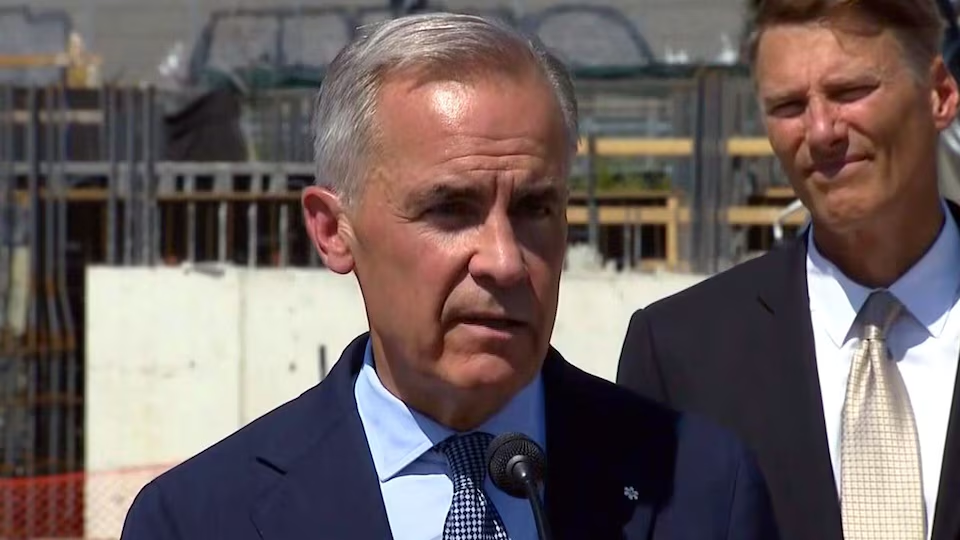
Canada US trade talks have reached a point where the negotiators are describing them in the same language the participants are using to insult each other. Prime Minister Mark Carney said Thursday that discussions with Washington had turned nasty, borrowing a word President Donald Trump had used about Canada hours earlier.
Carney did not soften it. Speaking in French, he acknowledged the negotiation is tough, allowed that nasty was a fair description, and then redirected to what he said is actually at stake: Canadian jobs and the future of Canadian businesses.
What Trump Said
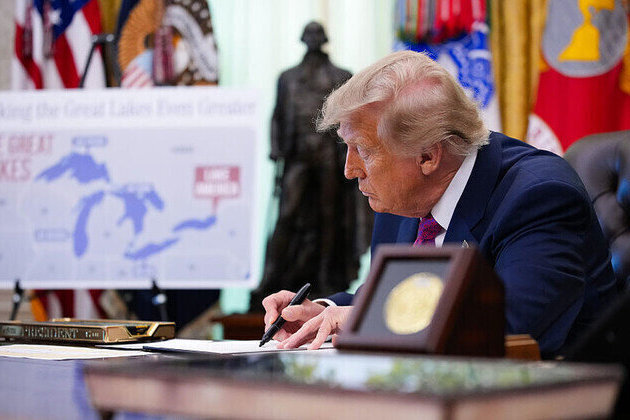
The exchange began with a speech Trump delivered in Las Vegas.
He repeated the word several times, saying Canada is nasty, that they are nasty, and that while he loves the people, the leadership is nasty.
Carney’s response included laughter at the characterization of Canadian leadership, along with a blunt framing of the moment. The two countries, he said, are in the middle of a tariff war.
The Deadline That Matters
Behind the rhetoric sits a hard date.
In July, Trump imposed a 50 percent tariff on a range of Canadian products, described as spanning everything from wine to hockey sticks to cement. The stated justification was discriminatory measures Canada had taken against American goods.
If no agreement is reached, those tariffs take effect August 19.
That is the real pressure point. A 50 percent tariff is not a marginal adjustment to trade flows. At that level, entire product categories become uncompetitive, supply chains reroute, and businesses on both sides of the border face decisions they cannot easily reverse.
Talks Are Actually Happening
Despite the public sniping, the working relationship has not collapsed.
The two leaders spoke by phone, and Carney said last month that they agreed to intensify negotiations in the weeks following the tariff announcement.
Canadian negotiators traveled to Washington this week. Canada-US Trade Minister Dominic LeBlanc described the meetings on X as constructive and detailed.
That gap between the tone at the podium and the tone at the table is worth noting. Public hostility and productive technical negotiation frequently coexist in trade disputes, and the language leaders use for domestic audiences often bears little relationship to what is happening in the room.
The Wildfire Smoke Dispute
Trade is not the only friction point.
Last week, the Trump administration said it would hold Canada accountable for wildfire smoke that drifted south and affected more than a dozen states.
The scale of the fire season makes that a difficult demand to act on. According to the Canadian Wildland Fire Information System, hundreds of fires are currently active, with new ones continuing to ignite.
The threat to link smoke to tariffs illustrates how the relationship has broadened beyond conventional trade disagreements into areas where policy leverage is unclear at best.
A Pattern Since March
Carney and Trump have been exchanging criticism since Carney took office in March 2025.
The current dispute reflects an accumulation rather than a single rupture. Trade measures, environmental complaints and personal commentary have layered on top of each other over more than a year.
What Is Actually at Stake
Carney’s framing of the negotiation as being about jobs is not spin. The Canadian economy is deeply integrated with the American one, and export exposure is concentrated enough that broad tariffs at high rates translate quickly into employment effects.
For the United States, the consequences run in the opposite direction but are equally concrete. Canadian inputs feed American manufacturing, construction and energy sectors, and tariffs on those goods raise domestic costs.
That mutual exposure is generally what produces agreements. Both sides face pain from failure, which is precisely why negotiators keep meeting even as their leaders trade insults publicly.
What to Watch Before August 19
A few developments will indicate which way this is heading.
Whether additional negotiating rounds are scheduled in the coming days, and whether they occur in Washington or Ottawa. Whether either side signals flexibility on specific product categories rather than the tariff as a whole. Whether the deadline is extended, which would itself indicate progress.
And whether the wildfire smoke issue remains attached to the trade conversation or gets separated out. Keeping unrelated grievances bundled into a trade negotiation tends to make agreement harder, not easier.
The clock runs to August 19. Everything before that is positioning.
Author
-
Lucienne Albrecht is Luxe Chronicle’s wealth and lifestyle editor, celebrated for her elegant perspective on finance, legacy, and global luxury culture. With a flair for blending sophistication with insight, she brings a distinctly feminine voice to the world of high society and wealth.