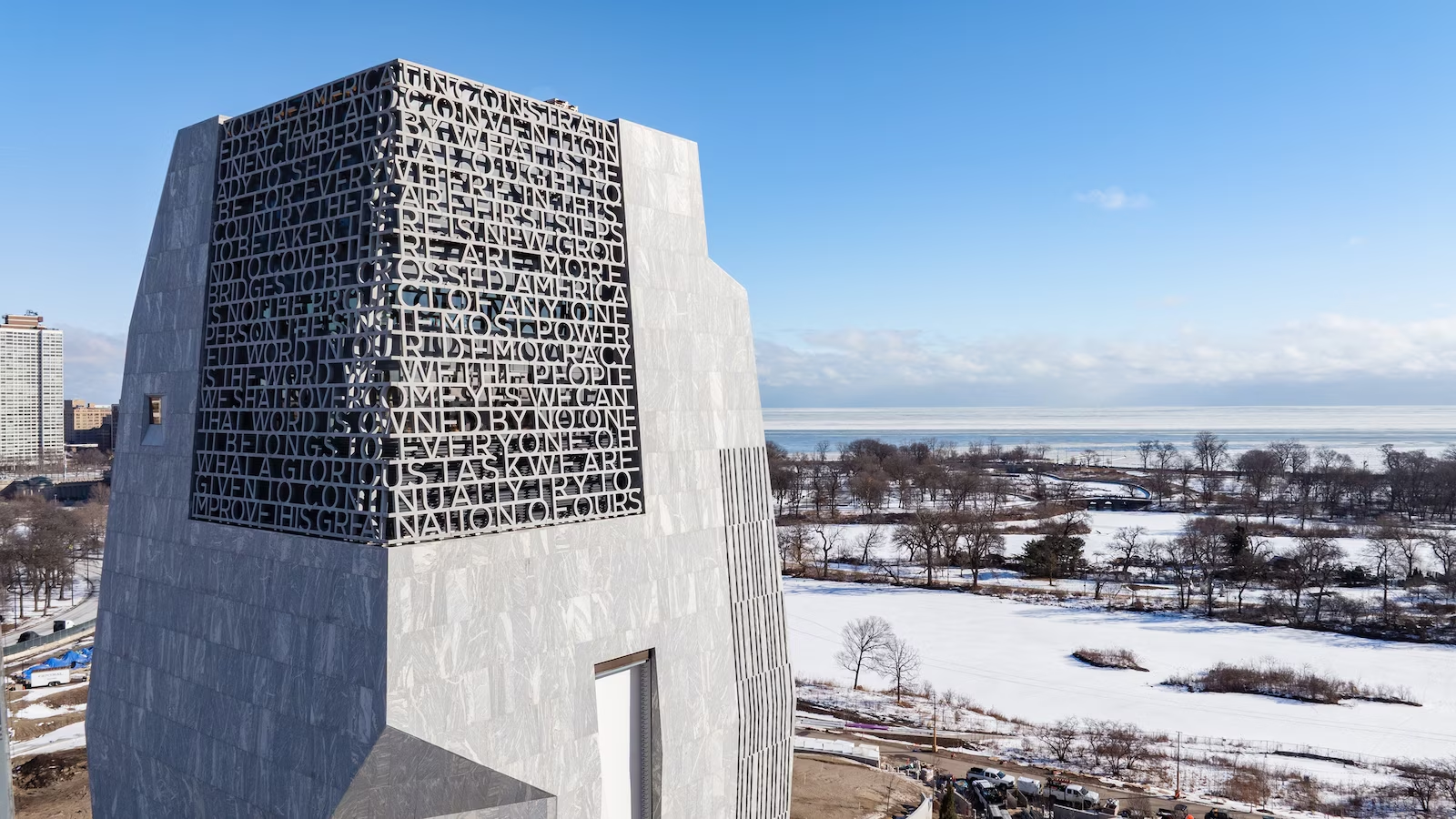
The Obama Presidential Center found itself at the center of a cultural debate this week, drawing heavy criticism after kicking off its grand opening with a “land acknowledgment” that many viewed as performative. The gesture, which suggested the United States was built on “stolen land,” lit up social media with mockery before the center pivoted to a celebratory Native American dance performance over the weekend.
A Weekend of Cultural Performances
By Saturday, the tone at the Obama Presidential Center had shifted toward celebration. The third day of the center’s grand opening in Chicago featured a vibrant lineup of musical and cultural acts, ranging from Grammy-winning artist John Legend to neighborhood drum lines.
One of the standout moments came from the Black Hawk Performance Company, a Native American dance troupe based in the Chicago area. The group brings together dancers from several Indigenous tribes and is known for its energetic, traditional performances.
Held at the center’s John Lewis Plaza, the roughly hour-long show drew hundreds of spectators. Highlights included:
- A drum circle that anchored the performance
- Several traditional dances rooted in different tribal customs
- Songs honoring Native heritage, including one dedicated to a Native American flag
- Audience participation near the end, as many onlookers joined the dancers in the plaza
The display offered a lively, communal atmosphere that contrasted sharply with the controversy that had erupted just days earlier.
The Land Acknowledgment That Started It All
The trouble began Thursday night during the center’s opening ceremony. Rather than easing into the festivities, organizers opened with a statement acknowledging that the center sits on land originally belonging to Native American nations.
Valerie Jarrett — once a senior advisor to President Obama and now CEO of the Obama Foundation — delivered the remarks. She asked attendees to pause and recognize the original inhabitants of the land, naming the Anishinaabe, the Council of Three Fires, the Ojibwe, the Odawa, and the Potawatomi nations.
While such acknowledgments have become increasingly common at public events, they remain divisive. Supporters see them as a respectful nod to history, while critics dismiss them as hollow, symbolic gestures that change nothing in practice.
Social Media Erupts
It didn’t take long for the acknowledgment to become a lightning rod online. Critics across X (formerly Twitter) questioned the logic of admitting the land was taken while continuing to occupy and profit from it.
One user captured the prevailing sentiment by pointing out the apparent contradiction — acknowledging the land was stolen, then simply keeping it. The same commenter joked that Indigenous people would probably want the imposing, modern building removed from the property first.
The Cost and the Criticism
Much of the backlash centered on perceived hypocrisy, particularly given the project’s massive price tag. The Obama Presidential Center reportedly cost around $850 million to build, a figure critics seized on to highlight the gap between rhetoric and action.
Conservative commentator Glenn Beck was among the loudest voices. He mocked the idea of a multi-million-dollar institution lecturing the public about occupying stolen property while still charging admission and running a gift shop. His point was blunt: if the foundation truly believed it was holding stolen land, it should either return it or stop talking about it.
Others took a more comedic approach. Townhall senior strategist Siraj Hashmi poked fun at the situation by suggesting the center failed to acknowledge the “real” leader of Chicago’s South Side — a tongue-in-cheek reference to the city’s well-known rapper Chief Keef.
The criticism echoed similar reactions to other high-profile land acknowledgments, such as those featured at award shows, which have frequently been ridiculed online as performative.
A Permanent Message on Site
The acknowledgment isn’t limited to opening-night speeches. The Obama Presidential Center has also installed a permanent placard recognizing that the land belongs to Indigenous peoples.
According to the sign, the Obama Foundation honors the sovereign Indigenous communities who have inhabited and cared for the land since time immemorial. The placard goes further, referencing efforts by Indigenous peoples to push back against and reverse the legacy of settler colonialism. It also includes a 2009 quote from Obama reflecting on broken treaties, lost territory, and the historical mistreatment of Native Americans.
For supporters, the permanent installation signals a genuine commitment to remembrance. For detractors, it reinforces the very contradiction they’ve been criticizing — a wealthy institution memorializing injustice while benefiting from the disputed land itself.
Why This Debate Resonates
The controversy surrounding the Obama Presidential Center touches on a broader cultural tension that extends far beyond Chicago. Land acknowledgments have spread across universities, corporations, and public ceremonies in recent years, and with that spread has come growing scrutiny.
The central question critics raise is simple: Do these statements lead to meaningful action, or do they function mainly as symbolic reassurance? For many on the political right, the Obama Center became a vivid example of the disconnect — pairing a solemn admission of wrongdoing with business-as-usual operations.
Supporters counter that acknowledgment and education are valuable in their own right, helping keep historical truths visible even when full restitution isn’t realistic.
A Mixed Legacy for Opening Weekend
In the end, the Obama Presidential Center’s debut delivered both celebration and controversy. The Black Hawk Performance Company’s Saturday showcase offered a heartfelt, crowd-pleasing tribute to Native American culture, drawing genuine engagement from the audience.
Yet that goodwill was partially overshadowed by the firestorm sparked just two days earlier. Whether viewed as a sincere gesture of respect or an example of political performance, the land acknowledgment ensured that the center’s grand opening would be remembered for far more than its music and dancing.
Author