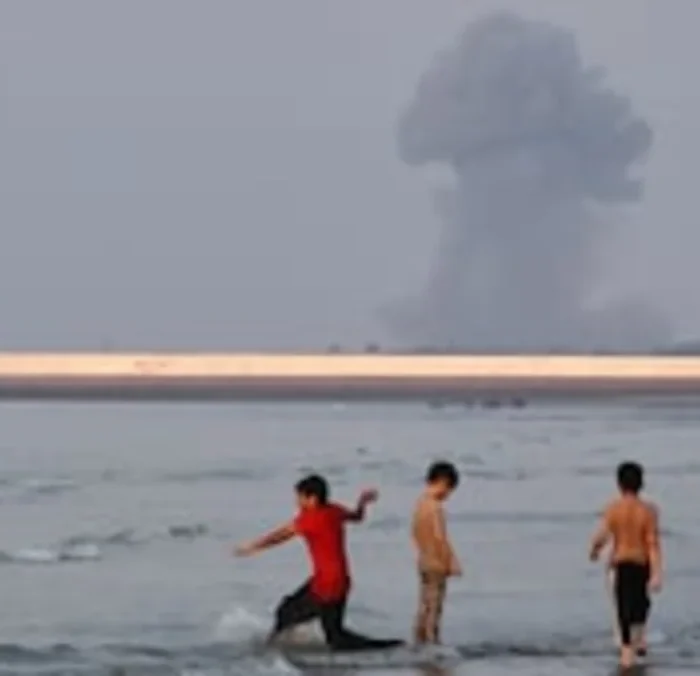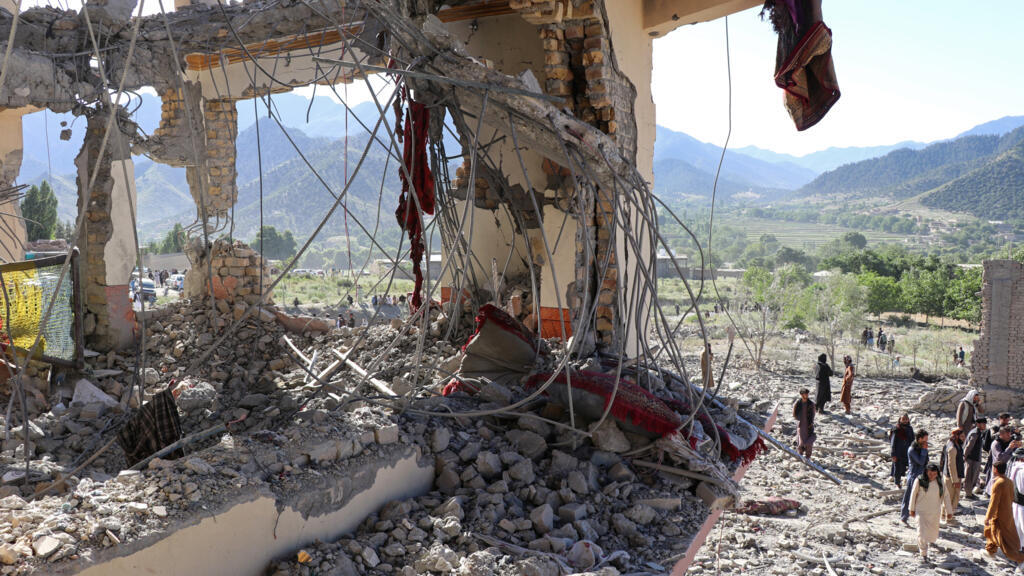
A series of Pakistan airstrikes in Afghanistan has left dozens dead and sharply escalated tensions between the two neighboring countries. The cross-border assault, which also involved ground troops, has drawn fierce condemnation from Afghanistan’s Taliban government and reignited a long-simmering dispute over militant activity along the shared frontier.
A Deadly Cross-Border Assault
On Sunday, Pakistan launched airstrikes and deployed ground troops into Afghan provinces along its border, resulting in a heavy death toll. The scale of the casualties quickly became a point of bitter contention between the two governments.
According to Afghanistan’s Taliban government, at least 36 civilians were killed, including women and children, with more than 160 others wounded. The Taliban responded with strong language, condemning the assault as a “cowardly act” and describing it as “a crime and atrocity.”
Pakistan, however, offered a starkly different account. The country’s information minister, Attaullah Tarar, said 29 militants were killed in strikes aimed at their hideouts. He framed the operation as a direct response to recent terrorist attacks against innocent people, casting it as a defensive measure rather than an act of aggression.
Competing Narratives on the Ground
The two sides disagree not only on the numbers but on what was actually hit. The conflicting claims reflect the deep mistrust that has long defined relations between Islamabad and Kabul.
The Taliban government maintains that the strikes hit civilian homes, while Pakistan insists they targeted militant hideouts in Afghanistan’s Paktia, Paktika, and Kunar provinces. Taliban officials say the casualties were concentrated in Mandokhail, a village in Paktika province. Notably, the BBC has not been able to independently verify the casualty figures put forward by either government.
A Long-Running Dispute
The latest violence is rooted in a grievance Pakistan has voiced for years. Islamabad has repeatedly accused Afghanistan of sheltering terror groups that launch cross-border attacks, an allegation the Taliban government firmly rejects.
The accusations run in both directions. Kabul has previously charged Islamabad with carrying out unprovoked attacks that killed civilians, even as Pakistan maintains it only strikes militant targets. This cycle of claim and counterclaim has made lasting peace difficult to achieve.
The two countries had reached a ceasefire last October following weeks of deadly clashes. But like earlier internationally mediated truce agreements, that deal has since collapsed, leaving the border region volatile once again.
The Spark Behind the Strikes
The Sunday assault did not occur in isolation. It came just a day after a deadly attack on Pakistani soil that appears to have prompted the retaliation.
According to Pakistan’s military, three members of the Sindh Rangers, a paramilitary force, were killed at their headquarters in Karachi. The details of that attack point to a coordinated militant operation:
- Three militants died in what was described as a suicide attack
- Pakistani officials said they arrested a fourth attacker, identified as an Afghan
- Jamaat-ul-Ahrar, a splinter faction of the TTP, claimed responsibility
Both the TTP, also known as the Pakistan Taliban, and Jamaat-ul-Ahrar are banned in Pakistan and by the United Nations due to their involvement in past attacks.
A Pattern of Escalating Violence
Sunday’s strikes fit into a troubling trend that has played out along the border in recent months. Intermittent clashes and airstrikes have killed dozens of people, according to officials on both sides.
The recent history is marked by repeated bloodshed:
- In February, clashes between the two countries left dozens dead
- In March, a Pakistani strike on a drug rehabilitation center in Kabul reportedly killed hundreds
- Earlier in June, Pakistani airstrikes killed 26 militants, though the Taliban said 13 others, mostly children, also died
This accumulation of violence underscores just how fragile the situation along the frontier has become.
An Uncertain Road Ahead
The collapse of the October ceasefire and the steady drumbeat of attacks suggest that tensions between Pakistan and Afghanistan are unlikely to ease soon. Each new incident deepens the mistrust and raises the stakes for both governments.
With competing narratives about who is being targeted and unverified casualty figures clouding the picture, establishing an accurate account of events remains difficult. What is clear is that civilians continue to bear a heavy cost, caught between militant groups operating in the border region and the military responses they provoke.
As both sides trade accusations and the death toll mounts, the prospects for a durable peace appear distant. For now, the border between the two nations remains a dangerous and unpredictable flashpoint, with the potential for further escalation looming over an already strained relationship.
Author