Passport Queues Return to Europe as Madrid and Rome Trade Border Restrictions
The Ceuta migration dispute has produced something few expected to see between two long-standing European partners: reciprocal border checks, imposed by each on the other, with no shared frontier between them.
Spain rolled out controls on every air and sea arrival from Italy starting at midnight. They are scheduled to run for a month.
The move answers restrictions Italy introduced a week earlier, and it has turned a disagreement over migration policy into an open confrontation.
The Crossing That Started It
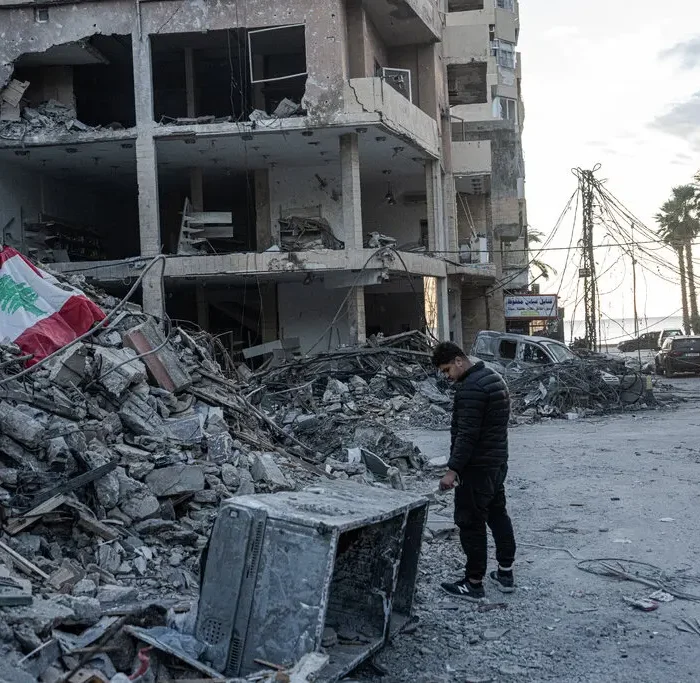
Around 78,000 people crossed from Morocco into Ceuta, the Spanish exclave on the North African coast.
Italy reacted by temporarily stepping outside the Schengen framework that allows travel across most of Europe without document checks. Rome argued the suspension was needed to stop anyone who had reached Ceuta from onward travel to Italy.
Spain found the reasoning unconvincing, and said so bluntly. Officials in Madrid described the Italian justification as built on spurious arguments with no factual foundation, noting that people who arrived in Ceuta had no pathway into the Schengen zone in the first place.
Deadlines Ignored, Measures Matched
Spain issued an ultimatum on Friday, demanding Italy withdraw its checks by Sunday.
Rome held firm. Italian officials indicated the controls would continue until at least 15 August, citing an expectation that Spain anticipates a fresh wave of arrivals at Ceuta around that time.
Spain then went ahead with its own measures. They are set to remain until 7 September, unless conditions change enough to justify altering that timeframe.
What began as one country’s precaution has become a mutual standoff neither side can easily exit.
Random Checks That Do Not Look Random
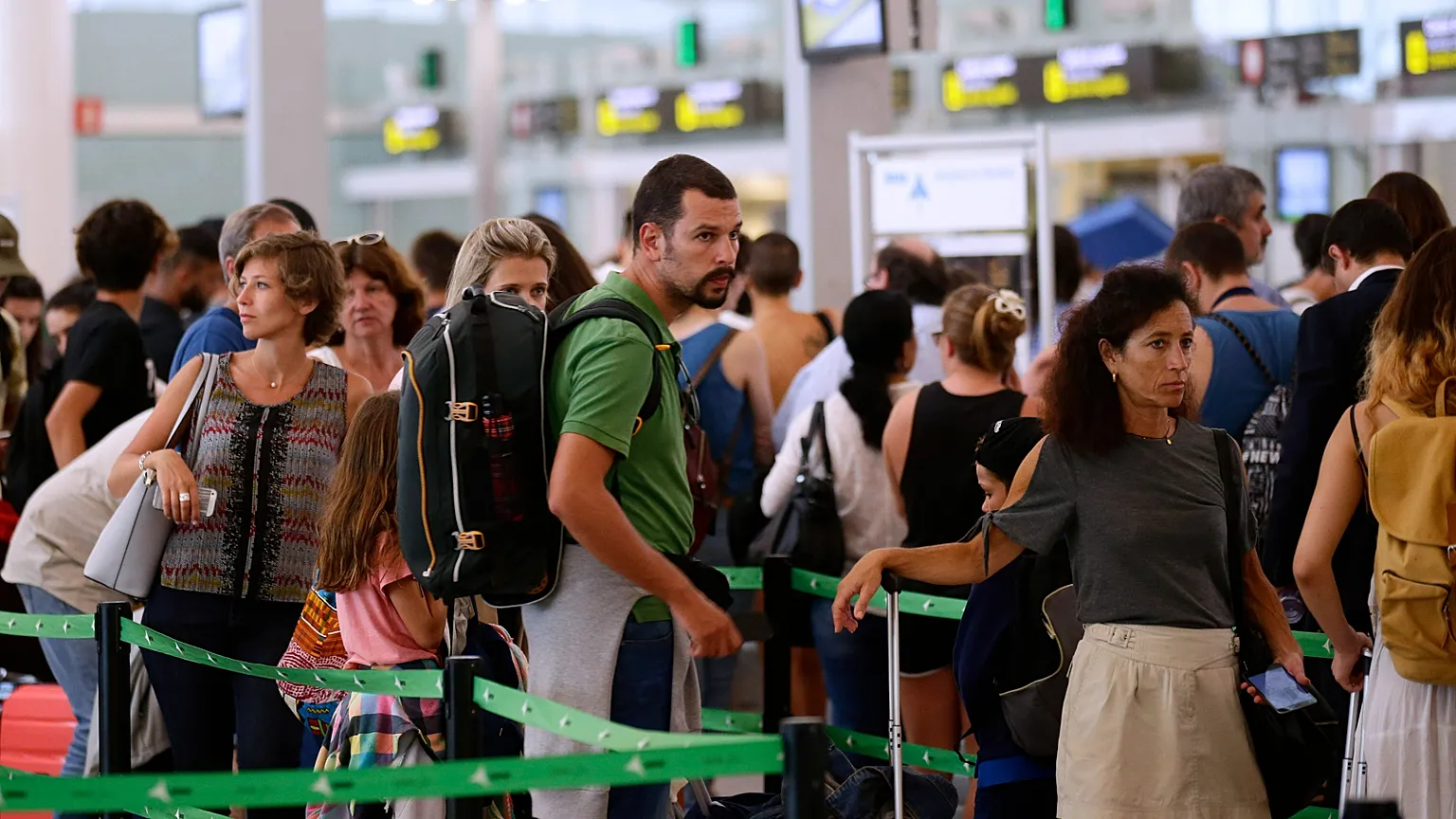
Officials on both sides describe the screening as selective. Travellers describe something closer to blanket verification.
Spanish authorities said between 5 and 10 percent of passengers were having documents inspected before disembarking.
That does not match at least one account. A traveller arriving in Madrid on Saturday, identified as Elisa, told broadcaster RTVE that her entire flight was required to present passports, and that they were told nobody could leave the aircraft without showing documents.
A second passenger described being stopped and asked for identification, noting that officers appeared satisfied with the arrangement.
Italy’s position contains its own contradiction. Rome says Spanish and other EU citizens face no additional checks, with extra scrutiny applied only to non-EU residents.
How officers are meant to identify nationality without inspecting documents has not been explained. El Pais reports that multiple Italian airport terminals have experienced lengthy queues, with arrivals from Spain funnelled into a separate processing line.
Politics Driving the Dispute
The clash carries an unmistakable ideological edge.
Spain’s socialist prime minister Pedro Sanchez sits opposite Italy’s conservative leader Giorgia Meloni, who has campaigned for years on tightening the European Union’s approach to migration.
Other capitals have taken sides. Finland and Denmark supported Italy’s month-long Schengen suspension. The Czech Republic pushed further still, suggesting Spain’s Schengen membership should be temporarily suspended.
Suspensions themselves are not novel. Italy already operates controls along its border with Slovenia. What stands out is two member states aiming the mechanism at each other.
What Became of the Migrants
Most people who reached Ceuta were sent back within days.
Roughly 100 are believed to have drowned attempting the crossing.
Nearly 1,400 minors remain in the exclave. Some have been described as very young boys and girls, a detail that underscores how much of this crisis involves children rather than the adult travellers now queuing at European airports.
Neither set of border measures does anything for them.
Explaining the Scale
Why so many people attempted the crossing simultaneously remains an open question.
EU Migration Commissioner Magnus Brunner has pointed to criminal networks circulating disinformation, and the Spanish government has endorsed that explanation.
Timing offers another clue. The crossings followed a Spanish Supreme Court decision holding that migrants intercepted at sea while heading for Ceuta or Melilla cannot be returned to Morocco without process.
Rabat has seized on that ruling. An unnamed Moroccan government source told local media that the system’s deterrent element collapsed and the dam broke, not under pressure from criminals, but because of a judge’s decision.
There are also unanswered questions about Moroccan border guards, and why so many swimmers were able to set out at once without interception.
Watching for August
Spain has made no official forecast of a second surge.
Independent reporting suggests otherwise. BBC Arabic located dozens of Facebook posts urging another crossing in mid-August, with some offering swimming equipment for sale. Six of the groups involved had audiences exceeding 100,000 followers.
Meta says it has taken down content breaching its policies.
The Spanish prime minister’s office told El Pais it is watching developments but does not expect last week’s scenes to repeat.
An Older Quarrel Underneath
Ceuta and Melilla have been diplomatic flashpoints for decades. Morocco rejects Spanish sovereignty over both territories.
That unresolved claim gives every incident at these borders a political charge that similar events elsewhere in Europe simply do not carry.
The Cost of the Standoff
For travellers, the consequences are immediate and irritating: delays, queues, and uncertainty about documents on routes that normally require none.
For the European Union, the cost is harder to quantify. Free movement is among the bloc’s most tangible achievements, experienced by ordinary people every day. Seeing it suspended not because of an external emergency but because two member governments are angry with one another sends a message about how durable the arrangement really is.
Both sets of controls carry end dates. Whether they expire on schedule will reveal whether this was a genuine security response or a political contest fought at airport gates.
Author
-
Lucienne Albrecht is Luxe Chronicle’s wealth and lifestyle editor, celebrated for her elegant perspective on finance, legacy, and global luxury culture. With a flair for blending sophistication with insight, she brings a distinctly feminine voice to the world of high society and wealth.