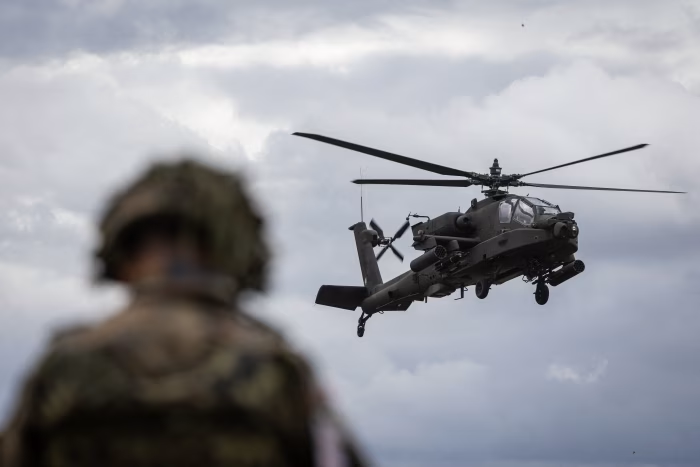
Pentagon Troop Deployment Cancellation Sparks Alarm Among NATO Allies
The Pentagon Troop Deployment Cancellation has sent shockwaves through Europe after the U.S. military abruptly halted plans to send thousands of soldiers to Poland. The sudden reversal, announced this week, has rattled NATO allies, complicated military logistics, and raised serious questions about America’s long-term commitment to European defense.
The move comes during a tense period in transatlantic relations, with President Donald Trump openly frustrated by what he sees as Europe’s failure to support the U.S.-Israeli war against Iran. The result is a sweeping rethink of where American troops should be stationed and how much of Europe’s defense burden Washington is willing to carry.
A Deployment Cut Short Mid-Mission
The deployment in question involved roughly 4,000 soldiers from the 2nd Armored Brigade Combat Team, 1st Cavalry Division. The unit had been preparing for a nine-month mission aimed at deterring Russian aggression and reassuring allies in Eastern Europe. Some soldiers and heavy equipment, including Abrams tanks and Bradley fighting vehicles, had already arrived in Poland before the cancellation order came through.
The reversal forced military planners into a scramble. Officials had to:
- Stop additional troops from departing Fort Hood in Texas
- Arrange the swift return of personnel already in Poland
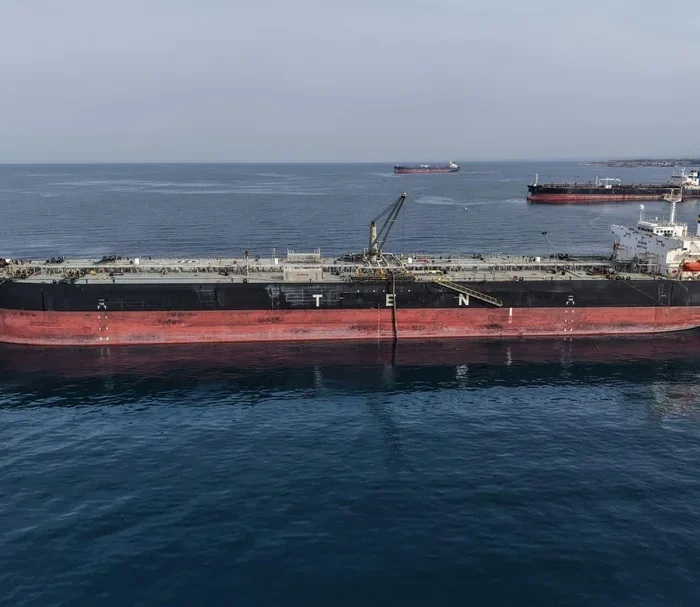
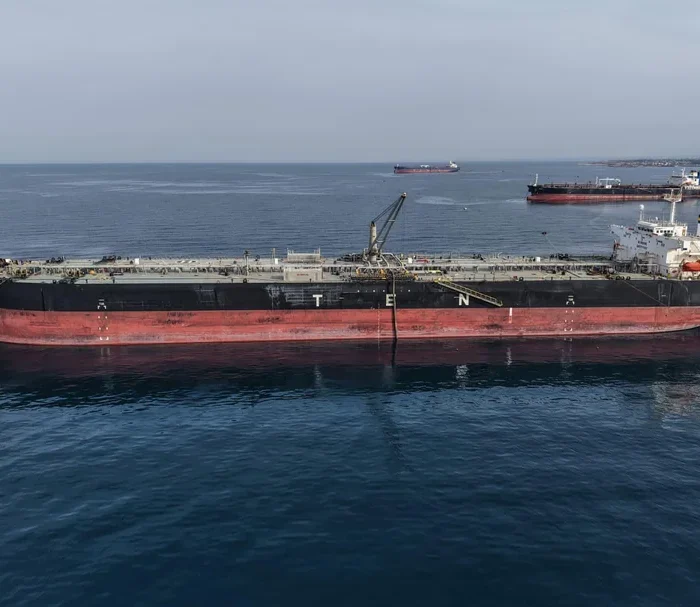
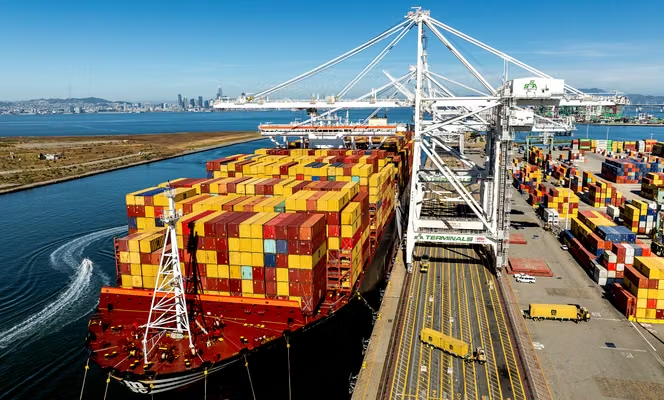
- Reroute cargo ships and reschedule flights
- Deep clean vehicles to meet biosecurity standards before shipping them back
Some U.S. military leaders in Europe were reportedly blindsided, learning about the decision through a Pentagon memo only days before public news broke.
Trump’s Anger Toward European Allies
The deployment cancellation is part of a broader shift driven by Trump’s frustration with NATO allies. Earlier this month, he ordered the Pentagon to cut 5,000 troops from Germany, citing inadequate European support for the war with Iran. He has since vowed to pull “a lot more” troops out of Europe, with the full process expected to take six months to a year.
Germany has been a critical hub for U.S. operations in the Middle East, particularly when it comes to medical care for injured personnel evacuated from the region. The decision to scale back troop numbers there marks a significant strategic change.
Trump has also hinted that further reductions could affect U.S. troop presence in:
- Italy
- Spain
- Potentially other parts of southern Europe
Both Italy and Spain have publicly opposed direct involvement in the Iran conflict, which appears to have intensified Trump’s frustration with their governments.
Strategic Shift Toward the Pacific and Western Hemisphere
The Pentagon has been signaling for some time that it wants to reduce its footprint in Europe and shift focus toward the Western Hemisphere and the Pacific. Recent strategic planning documents have made clear that Washington expects NATO allies to take on a much larger share of European defense responsibilities.
This long-term goal is now playing out faster than many expected. With the war in Ukraine entering its fifth year and tensions with Iran continuing to escalate, the timing of the U.S. withdrawal is raising eyebrows among European officials.
Lawmakers Push Back
Not everyone in Washington is on board with the abrupt change. Senator Jeanne Shaheen of New Hampshire, a member of the Senate Armed Services Committee, called the move “really troubling.” She warned that pulling an armored brigade from a key European ally could embolden Russian President Vladimir Putin to escalate his war in Ukraine.
In this year’s defense policy bill, lawmakers required the Pentagon to submit detailed plans if U.S. troop levels in Europe fall below 76,000 for more than 45 days. Shaheen noted that the current changes would likely keep numbers just above that threshold, but she called on Republican lawmakers to speak up against the policy direction.
How NATO and Poland Are Responding
Despite the magnitude of the decision, Poland’s defense minister, Wladyslaw Kosiniak-Kamysz, sought to downplay the cancellation. He stated on social media that the pullout did not specifically target Poland but was tied to a previously announced shift in U.S. forces across Europe.
That measured response reflects Poland’s broader importance to the alliance. Trump has long pointed to Poland as a model NATO ally, especially because it spent around 4.5 percent of its GDP on defense in 2025, the highest of any NATO country, including the United States.
A NATO official confirmed the alliance is aware of America’s changing posture but insisted that the adjustments would not affect NATO’s overall deterrence and defense plans. The official also highlighted growing contributions from Canada and Germany along NATO’s eastern flank.
Lost Capabilities and Missed Signals
The cancellation isn’t just about troop numbers. The Pentagon has also scrapped plans to station an Army long-range fires battalion in Europe, a unit that would have managed missile systems with significantly greater range than current land-based options. Military officials called this a serious loss for the continent’s deterrence capabilities.
To make matters more confusing, Army leaders had recently celebrated the upcoming Poland deployment as a major mission. At a Fort Hood ceremony on May 1, division leaders publicly emphasized that the deployment would send a strong message to U.S. adversaries. Just weeks later, the entire operation was reversed.
What Comes Next for Europe and the U.S.
European officials have largely accepted that some level of U.S. military drawdown is coming. Their primary concern is that the process be coordinated rather than chaotic. Some have even speculated that Poland could eventually become the new home for troops being relocated out of Germany.
For now, the Pentagon Troop Deployment Cancellation marks one of the clearest signs yet that the Trump administration is willing to make dramatic moves on U.S. force posture, even at the risk of straining decades-old alliances. If further reductions follow, Europe could soon see American military presence on the continent fall to levels not seen since before Russia’s 2022 invasion of Ukraine.
The world will be watching closely to see whether this is the start of a fundamental restructuring of U.S. defense priorities or simply the latest move in an ongoing political standoff with European allies.
Author