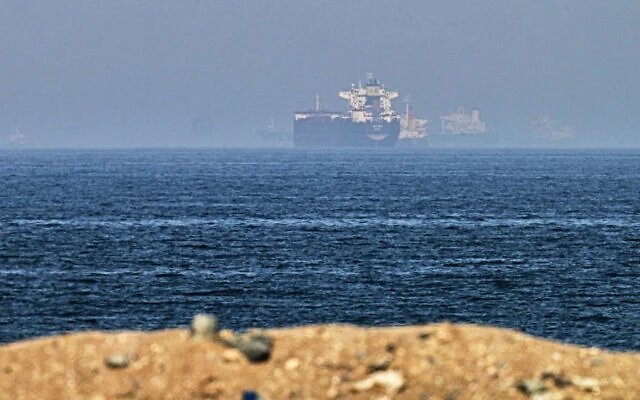
Strait of Hormuz Ship Seizure Adds New Fuel to an Already Volatile Standoff
A dramatic Strait of Hormuz Ship Seizure has thrown an already tense region into deeper uncertainty. A commercial vessel was reportedly boarded by what officials described as unauthorized personnel near one of the world’s most important oil shipping corridors and then steered in the direction of Iran. The incident comes during a particularly fragile moment in US-Iran relations and at a time when global powers are scrambling to keep the strategic waterway open.
The Strait of Hormuz is one of the most critical chokepoints in the global energy market. Roughly a fifth of the world’s oil supply moves through it every day, which is exactly why any disruption draws immediate worldwide attention.
A Diplomatic Backdrop in Beijing
The seizure unfolded during a high-stakes diplomatic moment thousands of miles away. President Donald Trump met with Chinese President Xi Jinping in Beijing on Thursday, and the White House confirmed that both leaders agreed the Strait of Hormuz must remain open to allow the smooth movement of global energy supplies.
That joint statement marked one of the few areas of clear agreement between Washington and Beijing during the summit. Both nations have major stakes in keeping the waterway functioning, even though their broader strategies on Iran differ significantly.
The timing of the ship seizure, coming during such a sensitive moment in international diplomacy, is raising questions about whether the act was opportunistic or carefully calculated to send a message.
Rising Concerns Over Iran’s Military Strength
The seizure also lands at a moment when US officials are increasingly worried about Iran’s growing military capabilities. On Wednesday, Secretary of State Marco Rubio publicly warned that Iran’s drone and missile programs were rapidly improving. According to Rubio, these capabilities are approaching a point where they could potentially overwhelm the regional defense systems of US allies and partners.
This warning is significant because it signals a shift in how Washington views the Iranian threat. It’s no longer just about long-term concerns over nuclear development. The immediate threat from drones and missiles has now become a front-line issue, particularly for nations and shipping operators relying on the Persian Gulf.
Hundreds of Iranian Fast-Attack Boats Spotted
Adding to the tension, US officials reported a sudden and massive presence of Iranian fast-attack boats in the area. On Wednesday, more than 300 small but highly maneuverable Iranian vessels were spotted moving through the Strait of Hormuz. While these boats individually are not capable of taking on larger naval forces, their sheer number can create chaos in narrow waterways.
Military analysts have long warned that swarms of these fast-attack boats could be used to:
- Harass or disable larger commercial ships
- Disrupt naval operations
- Launch coordinated strikes against tankers
- Slow down or block oil shipments through the strait
The visual of so many boats appearing at once is widely seen as a deliberate show of force by Tehran in response to growing US pressure.
US Blockade Continues to Squeeze Iran
Tensions in the region have been steadily building as the United States maintains a sweeping military blockade on Iranian ports. According to US Central Command, 67 commercial vessels have already been redirected away from Iran as part of this ongoing operation.
The blockade is intended to:
- Limit Iran’s ability to export oil
- Restrict the flow of weapons-related shipments
- Apply economic pressure on Tehran
- Reinforce US leverage in ongoing negotiations
While the strategy has been effective at pressuring Iran’s economy, it has also dramatically increased the risk of confrontation in and around the Strait of Hormuz. Iranian leaders have repeatedly warned that they will not allow such measures to continue unanswered, raising concerns that incidents like the recent ship seizure could become more frequent.
Why the Strait of Hormuz Matters So Much
For anyone wondering why this incident is causing such global alarm, the answer comes down to geography and economics. The Strait of Hormuz is a narrow stretch of water between Iran and Oman that serves as the gateway for oil exports from many of the Middle East’s largest producers.
If shipping through the strait is disrupted, even briefly, the consequences include:
- Spikes in global oil prices
- Higher fuel costs for consumers worldwide
- Disruptions in industries that depend on stable energy supplies
- Increased tension in financial markets
Countries like China are particularly dependent on the strait remaining open, which is why even Beijing has aligned with Washington on the need to protect freedom of navigation in the region.
What Could Happen Next
The Strait of Hormuz Ship Seizure marks one of the most direct incidents in the current US-Iran standoff. With both sides showing no signs of backing down, the risk of further confrontation is rising quickly. Some key things to watch in the coming days include:
- Whether Iran officially claims responsibility for the seizure
- How the United States responds militarily or diplomatically
- Whether allies in Europe, Asia, or the Middle East get pulled deeper into the situation
- Any movement in oil prices that could trigger global economic concerns
For now, the world watches closely as one of the most strategically important waterways becomes the center of a high-stakes geopolitical chess match. The Strait of Hormuz has long been a flashpoint, but the latest seizure shows just how quickly tensions can escalate when global powers, regional militaries, and economic stakes collide.
Author