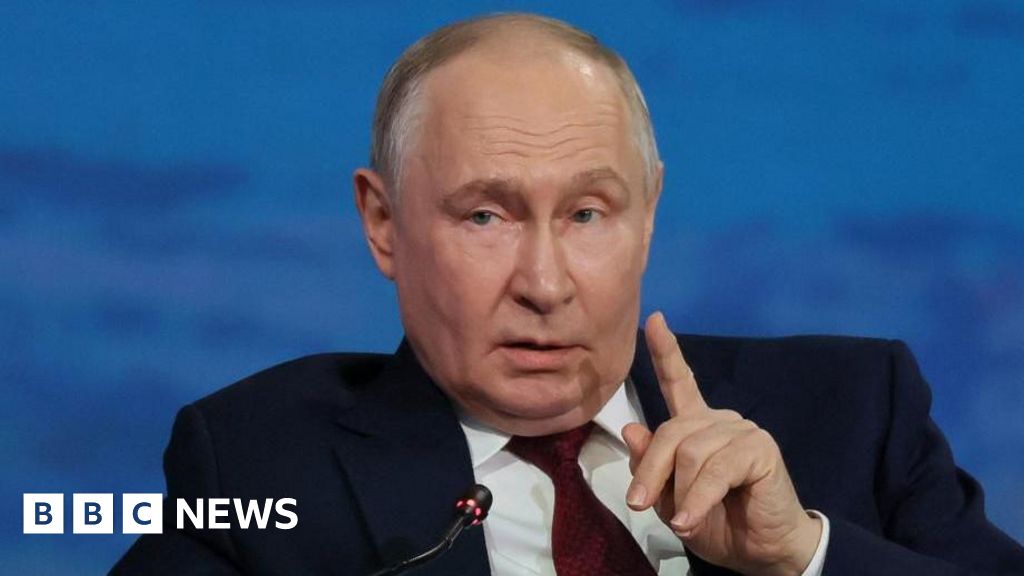
The prospect of a Putin Zelensky meeting Ukraine war breakthrough has hit a wall, with Russian President Vladimir Putin flatly dismissing the idea of sitting down with his Ukrainian counterpart. His blunt rejection has dashed the cautious hopes that had begun to build around a possible diplomatic opening.
The exchange unfolded after Ukrainian President Volodymyr Zelensky publicly invited Putin to face-to-face talks aimed at ending a war that has dragged on since Russia’s full-scale invasion in 2022. Putin’s dismissive response made clear just how far apart the two sides remain.
Zelensky’s Open Letter
The diplomatic back-and-forth began on Thursday when Zelensky issued an open letter calling for direct negotiations. In it, he argued that it was wrong to simply sit back and wait for the conflict to once again capture Washington’s attention.
Alongside his request for talks, the Ukrainian leader also pushed for a ceasefire. Notably, his tone throughout the letter was defiant and at times openly mocking — a posture that appears to have struck a nerve in Moscow.
Zelensky took several pointed jabs at the Russian president. He suggested that after 26 years in power, age was beginning to catch up with Putin. He also highlighted recent Ukrainian strikes on Russian soil, including one on St Petersburg on Thursday, which he cheekily described as “paying a visit.”
Putin’s Sharp Refusal
Speaking at Russia’s annual economic forum in St Petersburg on Friday, Putin wasted little time shutting the door. Asked whether he would accept Zelensky’s offer, he said he saw no point in doing so for now.
He went further, questioning the very intent behind the letter. In his view, the message was designed not to create conditions for a meeting but rather to avoid one altogether. Putin also took issue with the letter’s tone, complaining that it contained some rather rude remarks.
The Core Disagreement Over a Ceasefire
At the heart of the standoff lies a fundamental disagreement about sequence: should peace talks or a ceasefire come first?
Putin reiterated his long-held position that negotiations must precede any halt in fighting. He argued that a ceasefire would merely hand Ukraine the opportunity to regroup while the concessions Moscow demands remain unaddressed.
He framed his terms in stark language:
- A pause would only serve to stop Russia’s military advance
- Any agreement must be long-term, not a matter of three or six months
- Experts should first work out solutions before any leaders meet
Putin insisted he would only bring the war to a close once Russia’s objectives had been fully achieved, stating with confidence that the fighting would end once Moscow reached the goals it set for itself.
What Russia Wants
Moscow’s demands have remained consistent throughout the conflict. Russia continues to insist that Ukraine withdraw from the Donetsk, Luhansk, Kherson, and Zaporizhzhia regions, and that it abandon any ambition of joining NATO.
Kyiv, however, has flatly refused to surrender any territory. Ukrainian officials argue that giving ground to Moscow would only embolden future aggression, pointing out that the 2022 invasion came eight years after Russia annexed Crimea. To Ukraine, concessions now would simply set the stage for another invasion later.
Zelensky Fires Back
Putin’s rejection drew a swift and pointed reaction from Zelensky, who accused Russia of once again choosing conflict over peace.
Writing on Telegram, the Ukrainian leader said Putin simply doesn’t want to end the war, adding that he believed many around the world were left disappointed by the response.
Washington Watches Closely
The episode had briefly stirred optimism in some circles, including the White House. The content of Zelensky’s letter raised hopes that a meeting between the two leaders might be within reach.
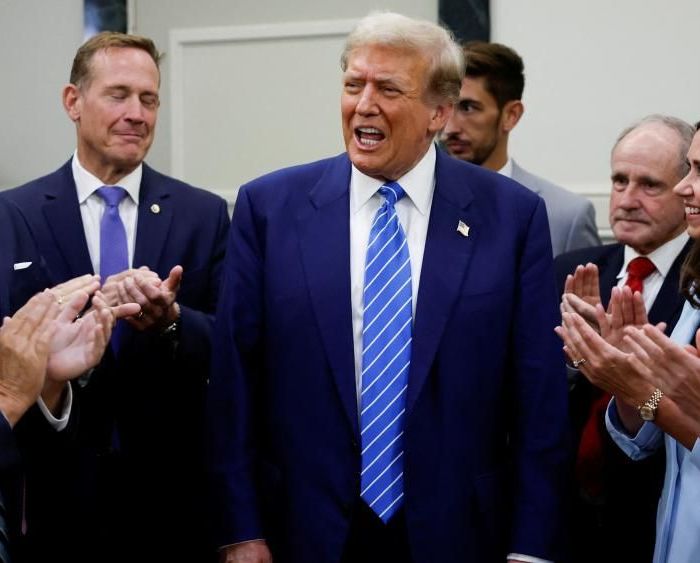
US President Donald Trump weighed in favorably, saying it would be great if the two leaders sat down together. That hope, at least for now, has been put on hold by Putin’s refusal.
Escalation on the Battlefield
Even as the diplomatic drama played out, the war continued to intensify on multiple fronts.
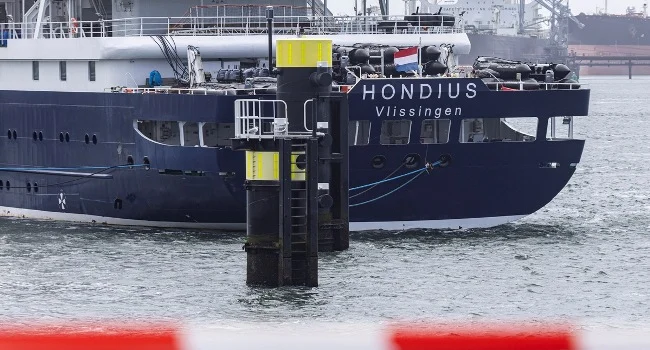
On Friday, Ukraine announced it had struck five ships carrying illegal cargo in the Sea of Azov and in coastal waters near Russian-occupied territory. Ukraine’s drone commander, Robert Brovdi, accused the vessels of stealing Ukrainian grain and ferrying fuel and military supplies.
The strikes carried international ripples. Azerbaijan’s foreign ministry reported that five people had been killed in attacks on two of the ships in the Sea of Azov, though it stopped short of naming who was responsible and clarified that the boats were not Azerbaijani.
In a separate incident, a Ukrainian-operated drone exploded in the Romanian Black Sea port of Constanta. Ukrainian operators said the device had been thrown off course by Russian electronic interference.
Mounting Casualties
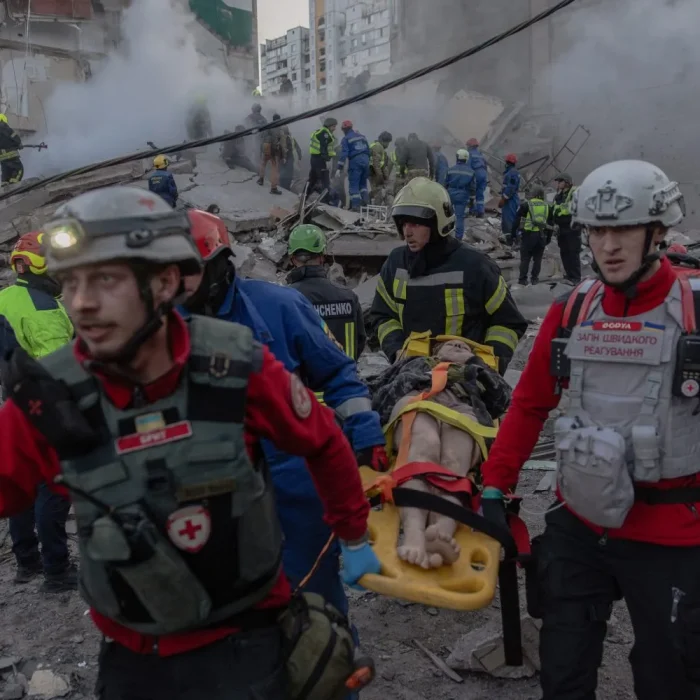
The human toll continued to climb. Over the past day, at least 13 people were killed and 70 others injured in a wave of Russian attacks across Ukraine, according to officials.
Among the deadliest incidents:
- Four people died when a dairy factory outside Kyiv was struck
- A drone strike on a petrol station in Kherson killed a 35-year-old woman
As the violence escalates and both leaders dig in, the path toward any meaningful dialogue appears more uncertain than ever. With Putin demanding total victory and Zelensky refusing to cede ground, the war shows little sign of slowing — and the brief flicker of diplomatic hope has, for now, faded.
Author