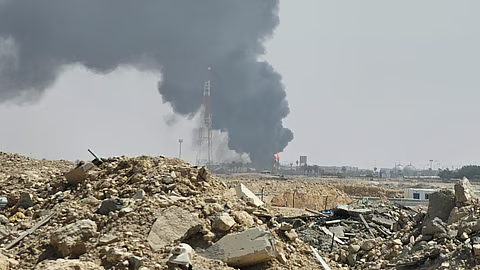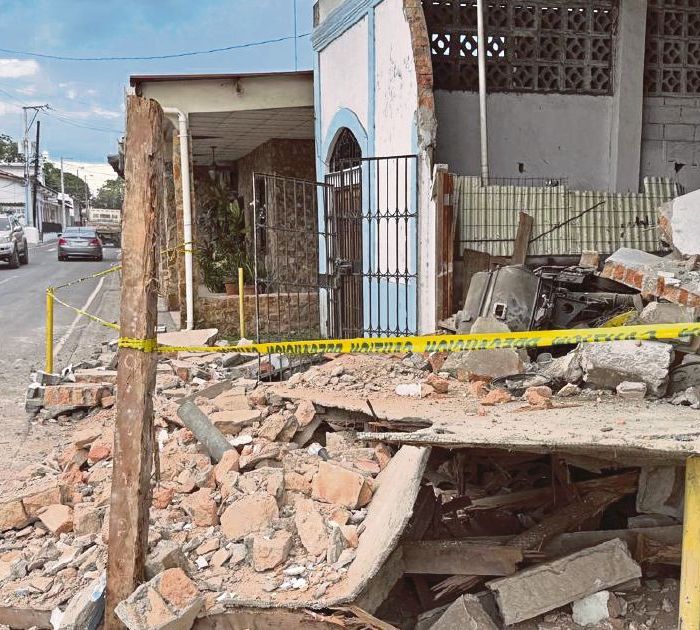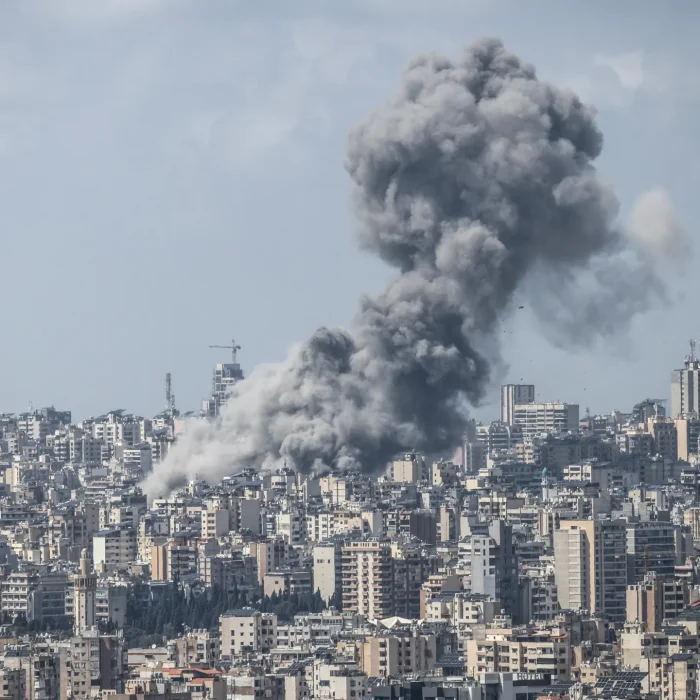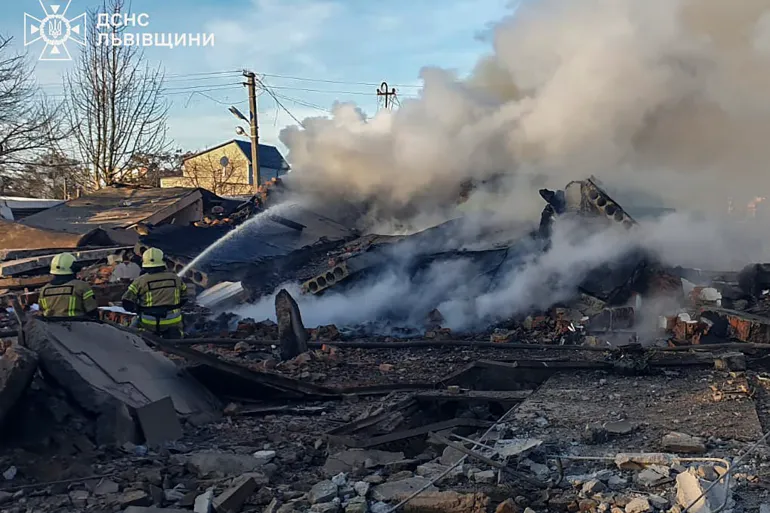
Russian drone attacks on Kyiv resumed Friday, striking more than a dozen apartment buildings and storage depots across the surrounding region in a second consecutive day of aerial assault, according to Ukrainian officials.
The strikes hit residential structures and warehouse facilities, continuing a pattern that has left the capital region under near-constant threat.
Fifteen Hours Under Alert
Thursday’s attacks effectively shut down Kyiv for most of a day.
The Ukrainian Foreign Ministry said prolonged air raid alerts kept the capital locked down for 15 hours — a stretch that halts business activity, closes schools, empties streets, and pushes residents into shelters and metro stations for the duration.
The economic damage from that kind of disruption compounds with each occurrence. Commerce stops. Deliveries pause. Work that cannot be done remotely simply does not happen.
More than four and a half years after Russia launched its full-scale invasion, this remains ordinary life in the Ukrainian capital.
The ministry also noted something easy to overlook from a distance: alerts in regions closer to the front line run even longer than those in Kyiv, on a daily basis. The capital’s experience represents the milder version.
The Grid Is the Target
Beneath the residential strikes runs a more deliberate strategy.
Russian drone and missile attacks are directed at Ukraine’s electrical infrastructure in what Ukrainian officials describe as an annual campaign to weaponize winter.
The logic is straightforward and brutal. Damaging generation and transmission capacity ahead of the cold months means households lose heating, lighting, and water pressure precisely when losing them causes the most suffering.
This pattern has repeated across multiple winters. Ukrainian engineers have become remarkably skilled at emergency repairs, but each round of strikes degrades the system further, and replacement equipment for large power infrastructure takes months to source and install.
Kherson Prepares for Darkness
The situation in the southern Kherson region illustrates what the campaign produces.
Glide bombs struck there a day earlier, forcing a combined heat and power plant to shut down. That single facility supplied both electricity and heating to the surrounding area.
Officials responded with an unusually stark assessment. They predicted extended outages through the coming winter and advised residents to relocate elsewhere if they had the means to do so.
That advisory is worth pausing on. A regional government telling its own population to leave rather than face the winter reflects a judgment that basic services cannot be restored in time.
Why Glide Bombs Complicate Defense
The weapon used against the Kherson facility matters.
Glide bombs are conventional munitions fitted with wings and guidance kits, released from aircraft at distance and allowed to travel toward their targets without engines. They are inexpensive relative to cruise missiles, carry large warheads, and are difficult to intercept.
Their range permits launching aircraft to stay outside the reach of most air defense systems, which limits Ukraine’s options for stopping them at the source. Kherson’s proximity to Russian-held positions across the Dnipro River makes it particularly exposed.
The Cumulative Toll
Individual strike reports flatten into repetition after four and a half years, but the effects accumulate in ways that daily coverage rarely captures.
Every apartment building hit displaces families who must find housing in a country where housing is already scarce. Every warehouse destroyed removes storage capacity from a supply system under strain. Every hour spent in a shelter is an hour not spent working, studying, or resting.
Sleep deprivation across an entire urban population carries measurable health consequences. So does prolonged stress, particularly in children who have now spent a substantial share of their lives under air raid conditions.
What the Winter Holds
Ukraine enters this cold season with a grid that has absorbed years of damage and a repair capacity stretched thin.
The country has adapted considerably — distributed generation, imported equipment, rapid-response repair teams, and international support for infrastructure resilience. But adaptation has limits when strikes continue faster than restoration.
The Kherson advisory suggests officials in the most exposed regions have already reached those limits and are planning accordingly.
For Kyiv, the immediate pattern is two days of drone attacks with no indication of pause. Residents will spend tonight the way they spent the last two — listening for sirens, and waiting to find out how long this one lasts.
Author