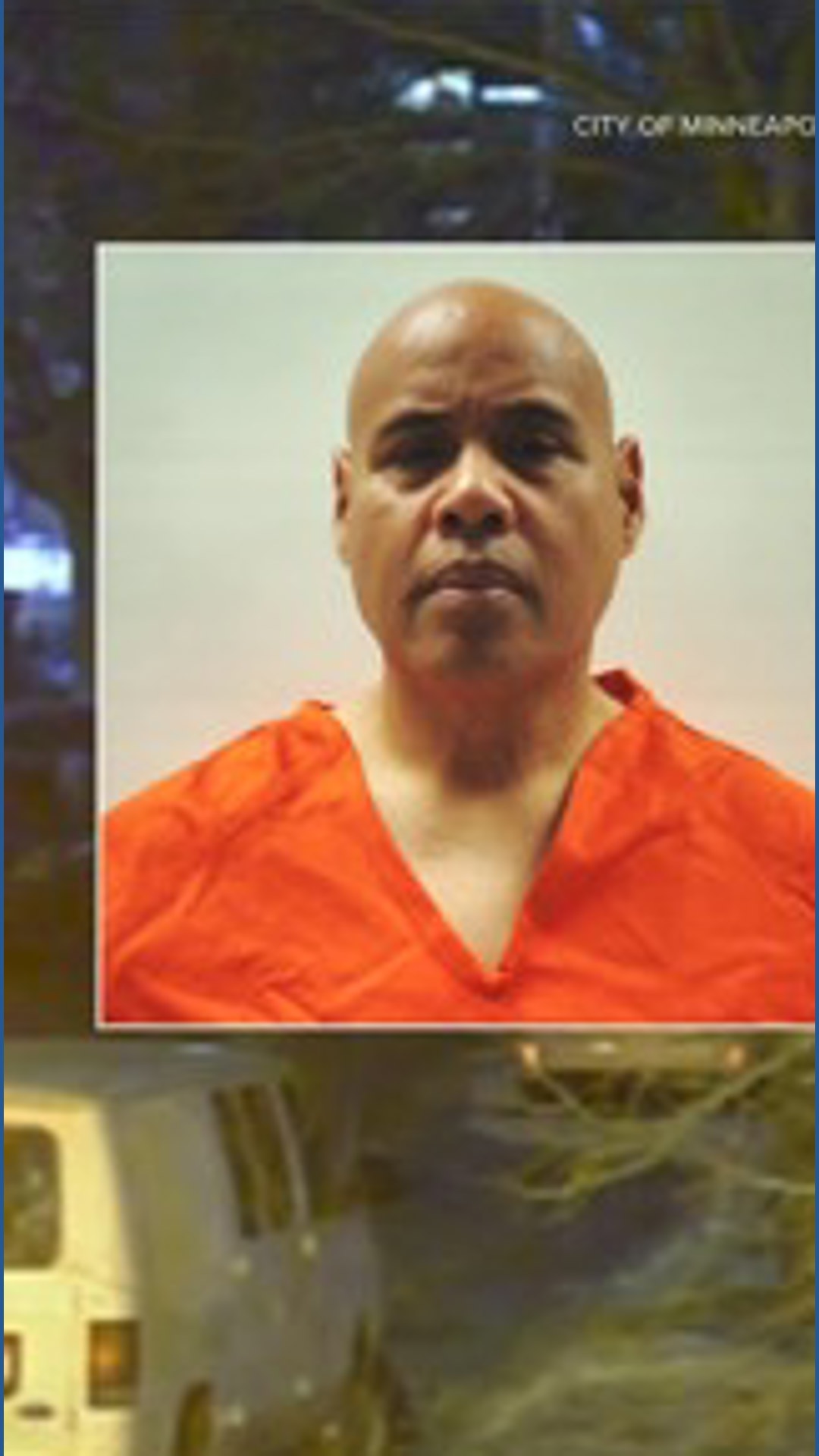
The ICE agent extradition standoff between Minnesota and Texas took a sharp turn this week when a federal judge declined to stop the release of an immigration officer wanted on assault charges up north. The decision hands Texas officials the upper hand, at least for now, and leaves prosecutors in Minnesota scrambling for a new approach.
A Federal Judge Says Not Yet
U.S. District Judge Fernando Rodriguez Jr. turned down Minnesota’s emergency bid for a temporary restraining order on Wednesday. The state had asked the court to stop Cameron County Sheriff Manuel Trevino from freeing agent Christian Castro while Governor Greg Abbott weighs whether to send him back to face criminal charges.
Rodriguez concluded that Minnesota simply had not met the legal bar required for that kind of emergency relief. More importantly, he found the entire dispute had arrived in court too early. Abbott, the judge noted, had not actually refused anything. He had neither signed off on the transfer nor rejected it outright, which left nothing concrete for a federal court to review.
In legal terms, the case was not ripe. Courts generally do not step in to referee a decision that has not been made yet.
Why the Clock Was Ticking
Castro’s detention window under Texas law ran out Thursday. State law allows a 90-day hold while extradition is sorted out, and once that period lapses, the sheriff’s hands are tied. Attorneys for Trevino told the court plainly that without either a judicial order or a rendition warrant bearing Abbott’s signature, Castro would walk out of the Cameron County Jail.
That deadline is what pushed Minnesota into federal court in the first place. The state wanted two things at once: an order compelling Abbott to issue the warrant immediately, and a stopgap measure keeping Castro locked up until he did.
Concerns About Flight Across the Border
Minnesota’s filings leaned heavily on the argument that Castro might disappear. Prosecutors pointed to recorded jail phone calls between the agent and a woman described in court papers as his romantic partner, who lives in Progreso, Mexico. During those conversations, according to the court’s order, Castro talked about purchasing property there and eventually relocating.
Minnesota argued the risk was obvious. If Castro crossed into Mexico, bringing him back could stretch into months or years of international legal wrangling, potentially derailing the prosecution entirely.
The judge acknowledged the concern but did not find it sufficient to override the procedural problem at the heart of the case.
Sharp Words From Both Statehouses
The political response was immediate and unfriendly.
Abbott’s office celebrated the ruling. Press secretary Andrew Mahaleris said the court had correctly rejected what he characterized as an unreasonable demand from Minnesota Governor Tim Walz. He argued that the Constitution gives a governor room to examine the evidence and reach an independent judgment about whether someone actually qualifies as a fugitive. Federal courts, he added, should not be used to strip that authority away.
Walz saw it differently. He framed the matter as a basic question of legal consistency, noting that Texas has honored past extradition requests and that Minnesota has done the same in return. In his view, this case deserved identical treatment rather than special handling.
Minnesota Attorney General Keith Ellison was blunter. He insisted Castro will eventually answer for the charges no matter what happened in court this week, and said his office should never have been forced to file the lawsuit at all. Ellison accused Abbott of gambling with constitutional principles and suggested Texas was becoming a refuge for people accused of violent offenses.
The Review Abbott Ordered
Rather than approve or deny the request, Abbott sent the matter to the Texas secretary of state for investigation. That step is allowed under the state’s Uniform Criminal Extradition Act, which gives governors latitude to gather facts before deciding.
Rodriguez found no provision anywhere in the Constitution or in the relevant state and federal statutes that puts a stopwatch on that process. He did observe that Abbott has been sitting on the question for an unusually long stretch, but noted Minnesota could not point to any law setting a required deadline.
Minnesota submitted its formal extradition paperwork in early June, shortly after Castro was taken into custody in Cameron County on the state’s warrant.
The Charges Behind the Fight
Castro was charged in May with four felony counts of second-degree assault plus a misdemeanor count of falsely reporting a crime. The allegations stem from an immigration enforcement operation in Minnesota in January.
Court records describe Castro firing a single round through a closed front door at a residence, striking someone in the leg. The incident triggered protests across north Minneapolis and quickly grew into something larger than one case.
Part of a Broader Collision
The dispute now sits inside an escalating conflict between Minnesota officials and the Trump administration over whether states can prosecute federal immigration agents involved in Operation Metro Surge.
Minnesota has also charged a second agent, Gregory Morgan Jr., with two counts of second-degree assault, alleging he aimed a handgun at drivers during a roadside confrontation following an enforcement action. The Department of Homeland Security has dismissed the prosecutions as theater orchestrated by sanctuary-state politicians. Minnesota counters that the conduct alleged falls well outside the scope of legitimate federal duties.
A Question the Judge Left Open
Abbott has floated the theory that Castro cannot be treated as a fugitive because he returned to Texas under instructions from his federal supervisors, not to evade anyone.
Rodriguez appeared unconvinced. In a footnote, he expressed doubt that existing case law supports that reading, pointing out that courts have historically asked whether a person left the state, not what motivated the departure. He stopped short of resolving the issue, saying it did not change Wednesday’s outcome.
For the moment, everything rests with Abbott. Absent a signed warrant or fresh court intervention, Castro is expected to be released.
Author