





Tigray Conflict Escalates as Ethiopian Forces Claim Capture of Strategic Town of Alamata
The Tigray conflict has taken a dramatic turn after Ethiopia’s military and allied militias reportedly seized control of Alamata, a key town in the north of the country. The development, announced on Monday by a pro-government militia, marks a sharp reversal just days after opposition forces launched a major offensive from the region.
The renewed fighting has shattered a fragile peace deal that held for four years and has raised fears that Ethiopia could be sliding back into full-scale war.
Soldiers March Through Alamata
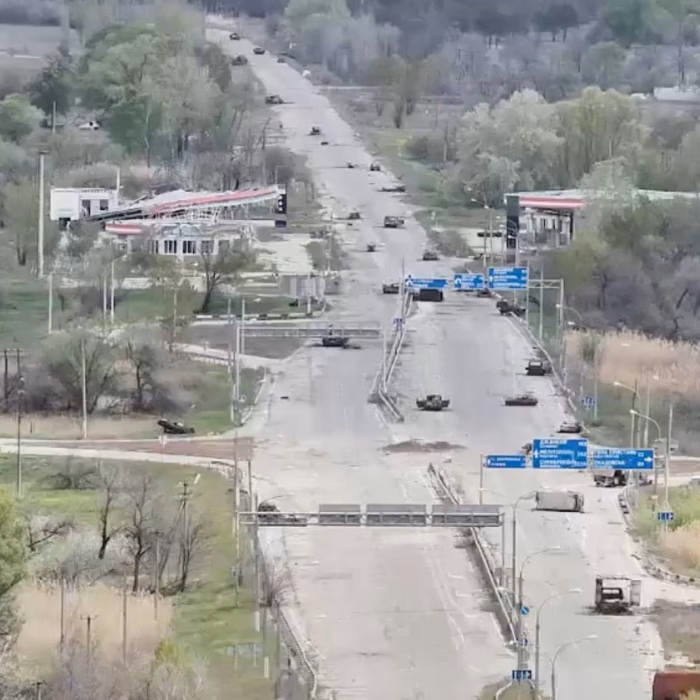
The Tigrai Peace Force, a militia aligned with the government, shared video on its Facebook page showing troops walking through the streets of Alamata while waving Ethiopian flags. The footage was verified by Reuters.
Other sources supported the claim:
- Two diplomatic sources said the town had fallen to federal forces
- A source connected to opposition fighters said they were pulling out of Alamata
- The same source expected the federal military to take full control within hours
Neither the Ethiopian military nor the Tigray People’s Liberation Front responded immediately to requests for comment.
Why Alamata Matters
Alamata sits roughly 120 kilometres south of Mekelle, the capital of Tigray, close to the region’s southern border with Amhara. Its location makes it a vital supply hub for moving troops, food and fuel.
The town has a long history of changing hands. During the civil war between 2020 and 2022, it was captured and recaptured several times by federal troops and TPLF fighters.
Securing Alamata would give government forces a significant advantage as they push north towards Mekelle.
Who Is Fighting and Why
The conflict pits Prime Minister Abiy Ahmed’s federal government against the TPLF. The group began as a guerrilla movement before becoming a political party that dominated Ethiopian politics for almost thirty years, until Abiy came to power in 2018.
A Peace Deal Falls Apart
The earlier civil war erupted after relations between Abiy and the TPLF broke down. It ended with the Pretoria Agreement in November 2022, which brought a halt to one of Africa’s deadliest recent conflicts.
In recent months, however, both sides have repeatedly accused each other of breaking the terms of that agreement. Tensions came to a head when the TPLF announced a new alliance with six other armed groups from across Ethiopia, aimed at toppling Abiy’s government. Just three days later, the TPLF launched its offensive.
Fighting has since spread beyond Tigray into the neighbouring regions of Amhara and Afar.
Accusations Against Neighbouring Countries
Ethiopia’s top military commander, Berhanu Jula, has accused several neighbouring countries of backing the opposition. In remarks aired on state media on Sunday, he pointed the finger at:
- Eritrea, Ethiopia’s long-standing regional rival
- Sudan’s armed forces
- Egypt
Both Eritrea and Sudan’s army have rejected the accusations. Egypt’s foreign ministry, responding to questions, said its policy is based on full respect for the sovereignty and territorial integrity of other nations, and on opposing any actions that could threaten peace and stability in the region.
A Region Already on Edge
The renewed fighting adds another layer of instability to the Horn of Africa. The region is already under strain from Sudan’s ongoing civil war, disputes over access to the Red Sea and the knock-on effects of conflicts in the Middle East.
Analysts fear that a wider war in Ethiopia could draw in neighbouring countries and further destabilise an already fragile part of the world.
Communications Cut Off in Tigray
For people living in Tigray, the fighting has brought a return of isolation. Internet and phone services in the region have been down for four consecutive days.
According to four sources who spoke to Reuters, the TPLF ordered the networks to be shut down. The group has not commented on the claims.
Families Left in the Dark
The blackout has left many families unable to reach loved ones. Daniel Meruts, a lawyer from Mekelle, has been stuck in Addis Ababa since the TPLF seized three airports in Tigray last week, forcing flights to be suspended.
He told Reuters that since phone and internet services were cut, he has had no way of contacting his family, describing the situation as emotionally overwhelming.
Fears of Another Humanitarian Disaster
The current fighting has revived painful memories of the 2020 to 2022 war. During that conflict, the federal government cut Tigray off from communications, and access to food, cash and medicine was severely restricted.
Tigray has still not fully recovered from that period. It is now also dealing with drought linked to the El Niño weather pattern, making the population even more vulnerable.
Hospitals Under Pressure
Medical aid group Médecins Sans Frontières reported a steep rise in the number of people injured in the fighting. At hospitals in Korem and Alamata, the rate at which wounded patients arrived more than doubled last week.
Evacuations From Mekelle
The International Committee of the Red Cross said it had evacuated 161 people from Mekelle to the capital of neighbouring Afar state. Those evacuated included:
- African Union monitors
- Federal police officers
- Ethiopian Airlines staff
- Red Cross personnel
What Comes Next
With federal forces gaining ground and pushing towards Mekelle, the coming days could prove decisive. Yet the collapse of the Pretoria Agreement suggests that a quick end to the fighting is far from certain.
The broader alliance of armed groups opposing Abiy, combined with accusations of foreign involvement, raises the risk of a longer and more complex conflict. Meanwhile, ordinary people in Tigray face communication blackouts, rising casualties and the threat of another humanitarian crisis.
For a region that has barely begun to heal from its last war, the return of violence is a devastating setback, and the international community will be watching closely to see whether diplomacy can prevent an even wider catastrophe.
Author