Odesa Reels From 219-Weapon Barrage as Zelensky Warns of North Korean Reinforcements
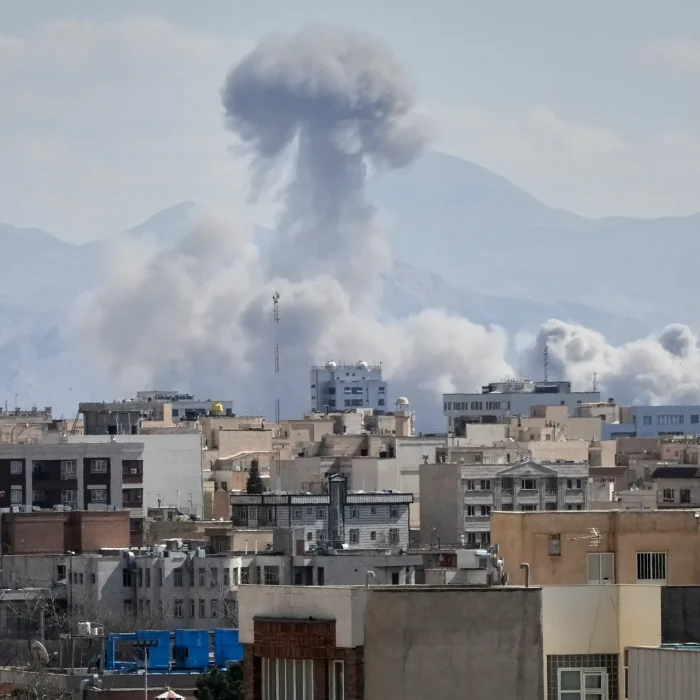
The Odesa missile attack overnight formed part of one of the largest single barrages Ukraine has absorbed in recent weeks, with roughly 219 missiles and drones launched across the country in a matter of hours.
President Volodymyr Zelensky said on Sunday that eight people were wounded in Odesa. The southern port city sustained significant damage.
Breaking Down the Barrage
Figures released by the General Staff of the Armed Forces of Ukraine give a sense of both the scale and the composition of the assault.
Of the 219 weapons launched, 202 were Shahed drones, the Iranian-designed loitering munitions Russia now produces domestically in large numbers.
The remaining seven were missiles, spanning ballistic, anti-ship and anti-radar types. The mix reflects a deliberate targeting approach: anti-radar munitions are designed to blind air defence systems, while ballistic missiles are the hardest category for Ukraine to intercept.
Air defences shot down 174 drones and five cruise missiles.
That leaves a meaningful number of weapons reaching their targets, which is precisely how a port city ends up badly damaged despite a substantial interception rate.
Why the Interception Gap Matters
An intercept rate approaching 80 percent sounds impressive until the arithmetic is applied.
When more than 200 weapons arrive in a single night, even a small percentage getting through translates into dozens of impacts on residential blocks, energy infrastructure and port facilities.
Russia appears to understand this well. Saturating defences with cheap drones forces Ukraine to expend expensive interceptors, while the genuinely dangerous ballistic missiles slip through the gaps created in the process.
Zelensky’s Warning About Pyongyang
Alongside the immediate damage, Zelensky raised a longer-term concern.
He said he believes North Korea is preparing to send up to 50,000 troops for deployment in Russia, a figure that would represent a dramatic escalation of Pyongyang’s involvement.
His analysis went beyond manpower. He argued that North Korea intends to study the lessons of the war in Ukraine, and that the resulting experience could present a threat to other states in the Asian direction.
On that basis, he urged closer cooperation between Kyiv and South Korea, framing the conflict as one with consequences far beyond Europe.
That argument has a certain logic. Troops rotating through a modern drone and artillery war return home with knowledge no training exercise can replicate.
Fresh Warnings About NATO
Zelensky’s comments arrived alongside reported warnings that Moscow could order an attack on a NATO member within weeks.
Assessments of that kind are difficult to evaluate from outside intelligence channels, and they have surfaced periodically throughout the war without materialising. They nonetheless shape planning across European capitals, particularly as drone incursions over NATO territory have become more frequent.
Ukraine’s Own Campaign Continues
While absorbing attacks, Ukraine has pressed a distinctive offensive strategy aimed at ordinary Russian life rather than purely military targets.
The latest example came at a Wildberries warehouse in Yekaterinburg. Three drones struck the roof of the logistics centre. The company said the resulting fire was contained and that most goods survived undamaged.
It was the 20th such strike since 18 July, part of a three-week campaign explicitly designed to bring the war home to Russian civilians.
Satellite imagery reviewed by Reuters suggests the cumulative effect has been substantial. The attacks have collectively destroyed roughly one fifth of the online retailer’s total storage capacity.
Wildberries is Russia’s dominant e-commerce platform. Disrupting it does not degrade military capability, but it makes the war visible in a way front-line reporting does not, through delayed deliveries and unavailable goods.
Ukraine has also reported attacking 12 vessels linked to Russia’s shadow fleet, the network of ageing tankers used to move oil around sanctions.
Diplomacy in Belgrade
Zelensky’s weekend also included his first visit to Serbia, where he was received by President Aleksandar Vucic.
Serbia has maintained relations with Moscow throughout the invasion and has declined to impose sanctions, making it an unusual destination for a Ukrainian leader.
The visit reflects a broader Ukrainian effort to engage European states that have kept their distance, rather than writing them off.
A Wider Pattern of Incidents
Elsewhere, Bulgaria’s prime minister confirmed that a drone exploded near a gas pipeline close to the Romanian border, another entry in a growing list of unexplained aerial incidents across European territory.
Each such event feeds the same underlying anxiety: that a war fought in Ukraine is generating consequences that neighbouring countries cannot fully control or even reliably detect.
Where Things Stand
Odesa is repairing damage. Ukraine’s air defences performed well by percentage and still could not prevent significant destruction.
Zelensky is simultaneously managing a defensive crisis, an offensive campaign inside Russia, and a diplomatic effort to convince partners in Europe and Asia that this conflict is theirs as well.
The 219 weapons launched overnight suggest Moscow has drawn its own conclusions about what pressure it can sustain.
Author
-
Lucienne Albrecht is Luxe Chronicle’s wealth and lifestyle editor, celebrated for her elegant perspective on finance, legacy, and global luxury culture. With a flair for blending sophistication with insight, she brings a distinctly feminine voice to the world of high society and wealth.