Trump Predicts Swift End to Iran War as Tehran Reviews US Peace Proposal
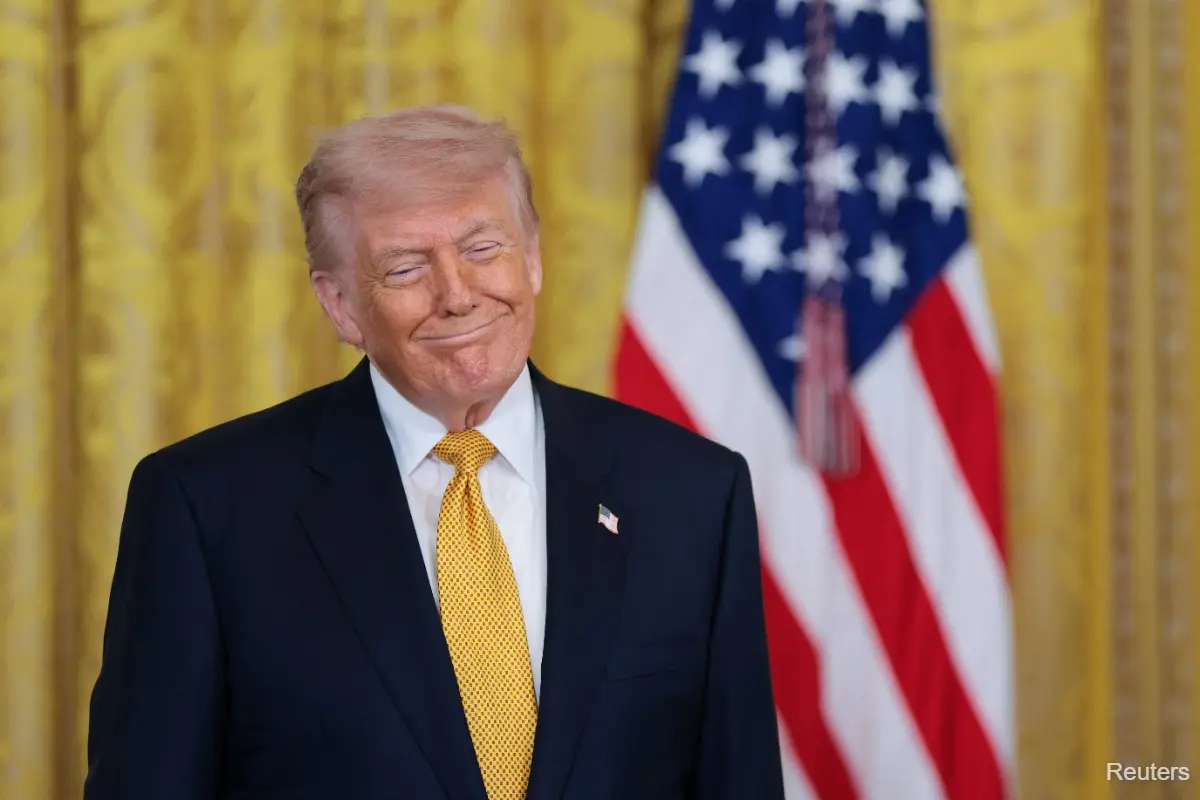
The Iran US peace proposal currently under review in Tehran has sparked fresh hope that the months-long conflict between the two nations could soon come to an end. President Donald Trump told reporters on Wednesday that an agreement appears within reach, predicting the war would be wrapped up quickly if both sides commit to the framework now on the table.
Key Highlights
- Iran is reviewing a US-drafted proposal aimed at ending the war, which would lead to follow-up negotiations.
- The one-page memo notably skips over major US demands, including restrictions on Iran’s nuclear programme and the reopening of the Strait of Hormuz.
- Trump expressed strong optimism, claiming Iran is eager to finalize an agreement.
- Global oil prices fell sharply, while stock markets rallied on the news.
Cautious Optimism in Washington and Tehran
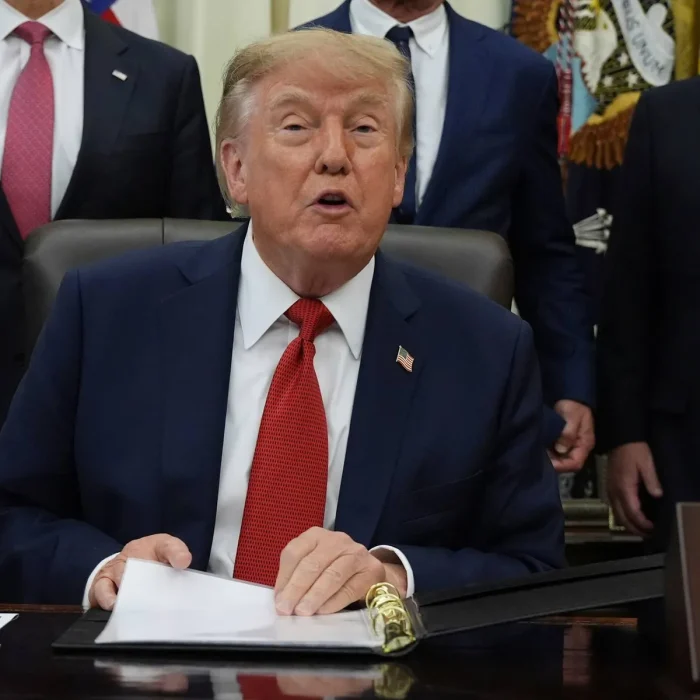
Speaking from the Oval Office, Trump described the past day of talks as productive and said a deal was very possible. He repeated his belief that the conflict, which began on February 28, would soon be resolved. Still, this is not the first time the president has signaled an imminent breakthrough, and previous attempts have not produced results.
A spokesperson for Iran’s foreign ministry, quoted by the ISNA news agency, confirmed that Tehran would soon share its formal response. However, Iranian lawmaker Ebrahim Rezaei, who serves on parliament’s foreign policy and national security committee, was less enthusiastic. He suggested the proposal looked more like a list of American hopes than a workable plan.
What’s Inside the One-Page Memo
According to a Pakistani source and another individual familiar with the mediation, the two sides are close to signing a brief one-page memorandum that would officially end hostilities. Once signed, it would open the door to deeper discussions on three major issues:
- Restoring shipping access through the Strait of Hormuz
- Lifting US sanctions on Iran
- Setting limits on Iran’s nuclear activities
A senior Pakistani official involved in the talks told Reuters that negotiators feel hopeful but acknowledged that real differences remain. The priority, this official said, is to first secure a permanent halt to fighting, with the more contentious issues to be tackled in follow-up direct talks.
Skepticism From Iran’s Parliament
Not everyone in Tehran shares the optimism. Mohammad Baqer Qalibaf, the speaker of Iran’s parliament, took to social media to ridicule the reports. Writing in English, he mocked the idea of a near-deal as a failed “Operation Trust Me Bro.” He argued that the leaks were simply American spin meant to mask Washington’s failure to forcibly reopen the Strait of Hormuz.
Markets React to Peace Hopes
Financial markets responded swiftly to the news of possible peace. Global oil prices dropped to two-week lows, with Brent crude futures briefly falling around 11 percent to roughly 98 dollars per barrel before recovering above the 100 dollar mark. Stock markets rallied worldwide, and bond yields slipped on the prospect of stabilizing energy supplies.
Takamasa Ikeda, a senior portfolio manager at GCI Asset Management, noted that while the actual contents of the proposals remain limited, the market is largely betting that further military escalation has been avoided.
A Sudden Pause in US Naval Operations
On Tuesday, Trump halted a freshly launched naval mission designed to reopen the blocked Strait of Hormuz, citing progress in peace negotiations. NBC News, citing two unnamed US officials, reported that the reversal came after Saudi Arabia withdrew permission for the US military to operate from a Saudi base for that mission.
According to the report, Saudi officials were caught off guard and frustrated by Trump’s earlier announcement that American forces would help escort ships through the strait. In response, Riyadh reportedly told Washington it would not allow US military aircraft to fly from Saudi bases or through its airspace. The White House has not yet commented on the matter.
Despite the pause on the strait operation, the US military continues to maintain a separate blockade on Iranian vessels in the region. US Central Command reported that on Wednesday, American forces fired at an empty Iranian-flagged tanker, disabling it as it attempted to reach an Iranian port in defiance of the blockade.
Major US Demands Left on the Table
The negotiations are reportedly being led on the American side by Trump’s envoy Steve Witkoff and his son-in-law Jared Kushner. Should both sides accept the preliminary terms, a 30-day window of detailed talks would begin to finalize a comprehensive agreement.
Notably, the current memorandum reportedly does not call for immediate concessions from either side. Several long-standing American demands appear to be missing entirely, including:
- Restrictions on Iran’s missile development programme
- An end to Iranian support for proxy militias across the Middle East
- The fate of Iran’s existing stockpile of over 400 kilograms of near-weapons-grade uranium
These omissions suggest that while a ceasefire may be near, the road to a complete and lasting agreement remains long and complicated. Both sides will likely face difficult choices in the weeks ahead as they try to translate this fragile diplomatic moment into a durable peace.
For now, the world is watching closely, and markets, governments, and citizens alike are hoping that the current optimism leads to something more lasting than another round of broken promises.
Author