The Gaza ceasefire plan championed by President Donald Trump received an unexpected form of defense at the United Nations this week, with the official running it directing pointed criticism at Israel rather than Hamas.
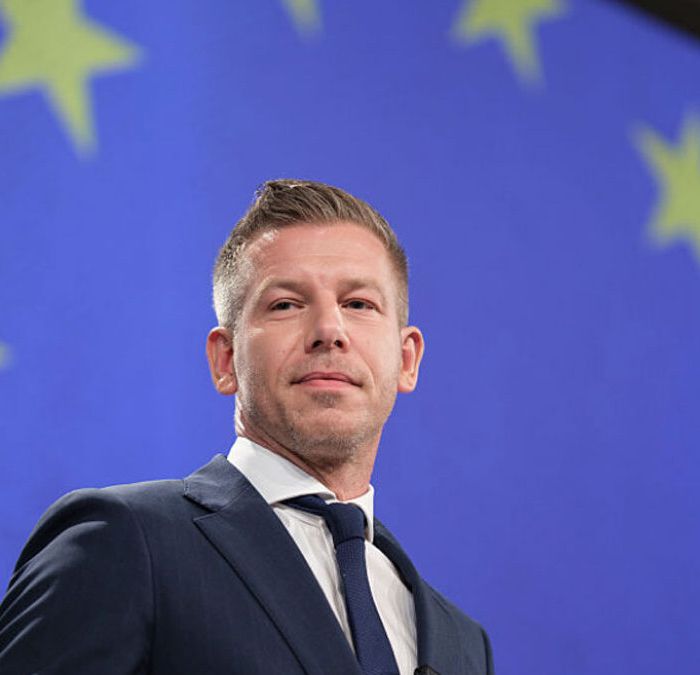
Nikolay Mladenov, high representative of the Board of Peace, told the Security Council on Wednesday that continued Israeli strikes are undermining the very outcome Israel says it wants.
The Plan Is Alive, He Insists
Mladenov pushed back on the perception that the initiative has stalled.
He described the 20-point framework as having advanced past the negotiating stage into implementation, saying it has moved from the negotiating table to the engineering table.
According to him, Hamas has accepted the plan’s central requirement: disarming and handing Gaza over to civilian administration. That agreement was widely viewed as a potential breakthrough in a war set off by the group’s attacks in southern Israel on October 7, 2023.
The Criticism
What Mladenov said next was unusual for someone in his position.
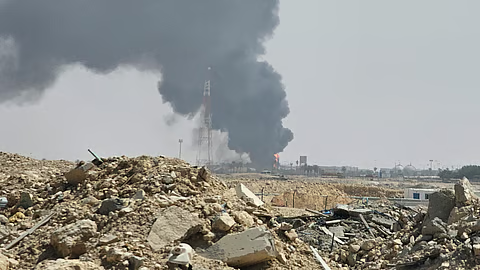
Israeli strikes have continued since the ceasefire took effect last October. The casualty numbers are far lower than during active fighting, but Palestinians are still being killed, and Mladenov argued that people in Gaza cannot perceive the war as actually ending.
He framed his objection as a practical one rather than a moral appeal. After three years of war and two decades of military operations, he asked whether another strike on a munitions depot would prevent Hamas from rearming or loosening its hold on Gaza.
His answer was that it would not. Such strikes, he said, only postpone the demilitarization that would otherwise occur and obstruct the handover to civilian government.
The argument turns the usual logic inside out. Continued military pressure, in his telling, delays rather than advances disarmament.
The Sticking Point
The disagreement centers on sequencing.
Prime Minister Benjamin Netanyahu has stated that Israeli forces will not pull back from their present positions in Gaza until Hamas has surrendered every weapon.
Hamas, having agreed in principle to disarm, is unlikely to complete that process while Israeli troops remain deployed and strikes continue.
Each side wants the other to move first, which is the structural problem the plan has to solve.
Talks Behind the Scenes
Mladenov offered a glimpse of ongoing negotiations.
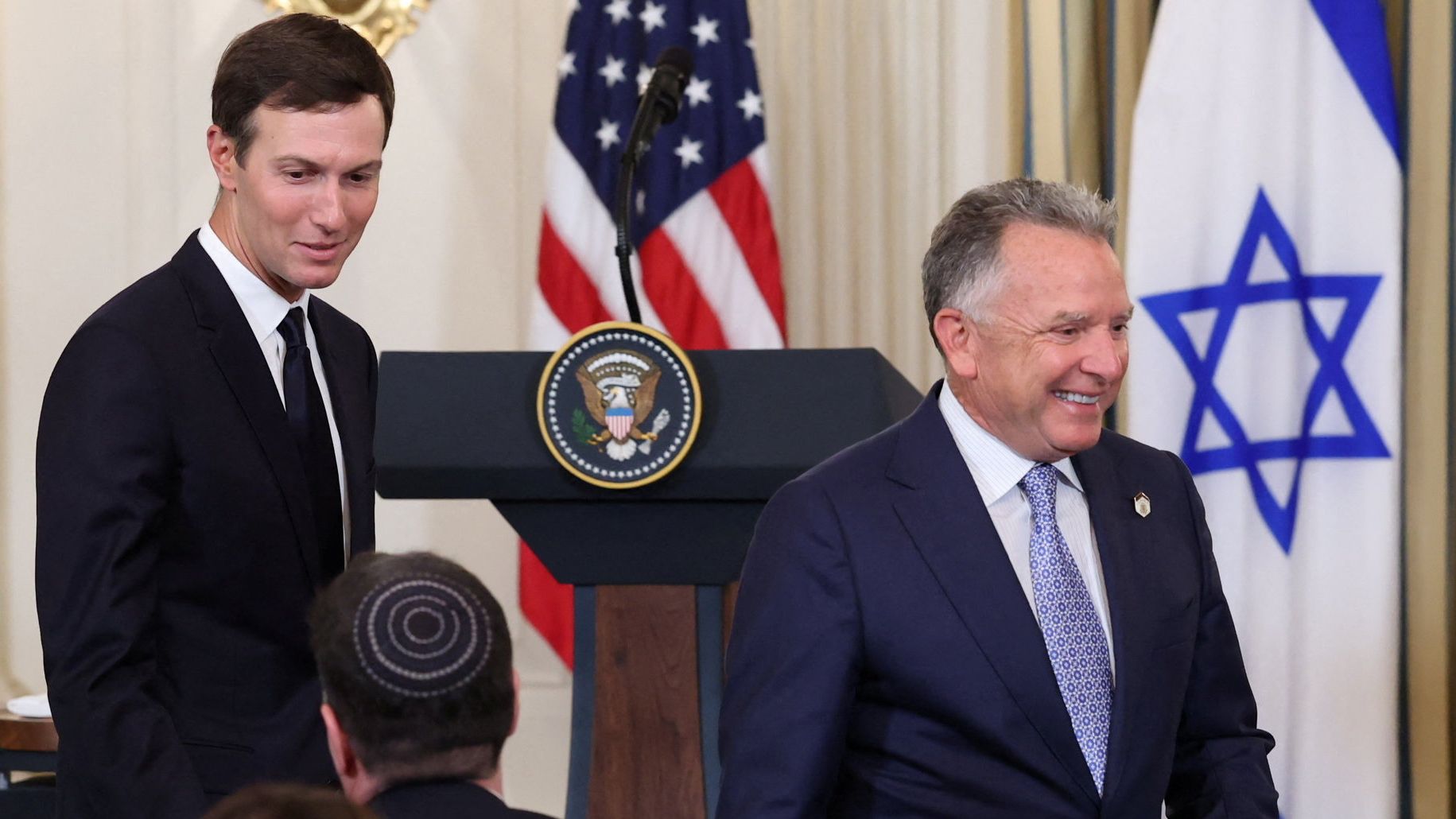
He described attending a meeting last week alongside Netanyahu and Jared Kushner, Trump’s son-in-law and adviser. The session involved working through the Israeli government’s concerns individually and reducing the list of items still requiring technical resolution.
That framing suggests progress, though he did not specify which issues remain open.
Israel’s Position
Israel’s deputy U.N. ambassador, Noa Furman, told the council her country remains committed to the American plan.
She emphasized a condition, however, stating the framework cannot work while Hamas retains weapons. Israel is coordinating closely with Washington to bring about that disarmament, she said.
The American View
U.S. Ambassador Mike Waltz took a measured line, saying concerns about the plan are being worked through.
On the question of Hamas disarmament, he indicated it will be evaluated based on what the group actually does rather than what it says.
The Warning
Mladenov closed with a stark assessment of the gap between the document and conditions on the ground.
If the war restarts, he said, there will be no roadmap left to return to and nothing remaining to rebuild. He rejected the idea that such an outcome would constitute a setback, calling it instead a point of no return for everyone involved.
He framed the decision facing all parties as a binary. One path leads to a Gaza that is disarmed, reconstructed, and reconnected to the outside world. The other produces a Gaza that is rearmed, divided, and reduced to rubble, raising a radicalized generation inside it with the next war already visible on the horizon.
The Political Question Nobody Has Solved
Mladenov also touched on the element most likely to prove intractable.
He said the Trump plan contains what he called a credible pathway to a political horizon, including a two-state solution to a conflict now stretching across generations.
That provision sits directly against Netanyahu’s stated position. The Israeli prime minister has been consistent and emphatic in his opposition to Palestinian statehood.
How a plan can include a pathway to something the Israeli leader rejects outright is a question the Security Council session did not resolve.
What Happens Next
The immediate work is technical, according to Mladenov, involving the details of how disarmament would be verified and how a civilian administration would take over.
The harder work is political, and it requires each side to accept risk before receiving guarantees.
Mladenov’s message to the council was essentially that the window for this is not permanent. The infrastructure of a deal exists on paper. Whether it survives contact with the situation in Gaza depends on choices being made now, in meetings the public does not see.
Author