The Mecca Defence Alliance has been activated for the first time, and the move could reshape security across the Gulf. Turkiye, Pakistan and Saudi Arabia agreed on Monday to trigger collective deterrence measures and rapidly send forces to the kingdom, in response to attacks by Yemen’s Houthis.
An Emergency Meeting in Riyadh
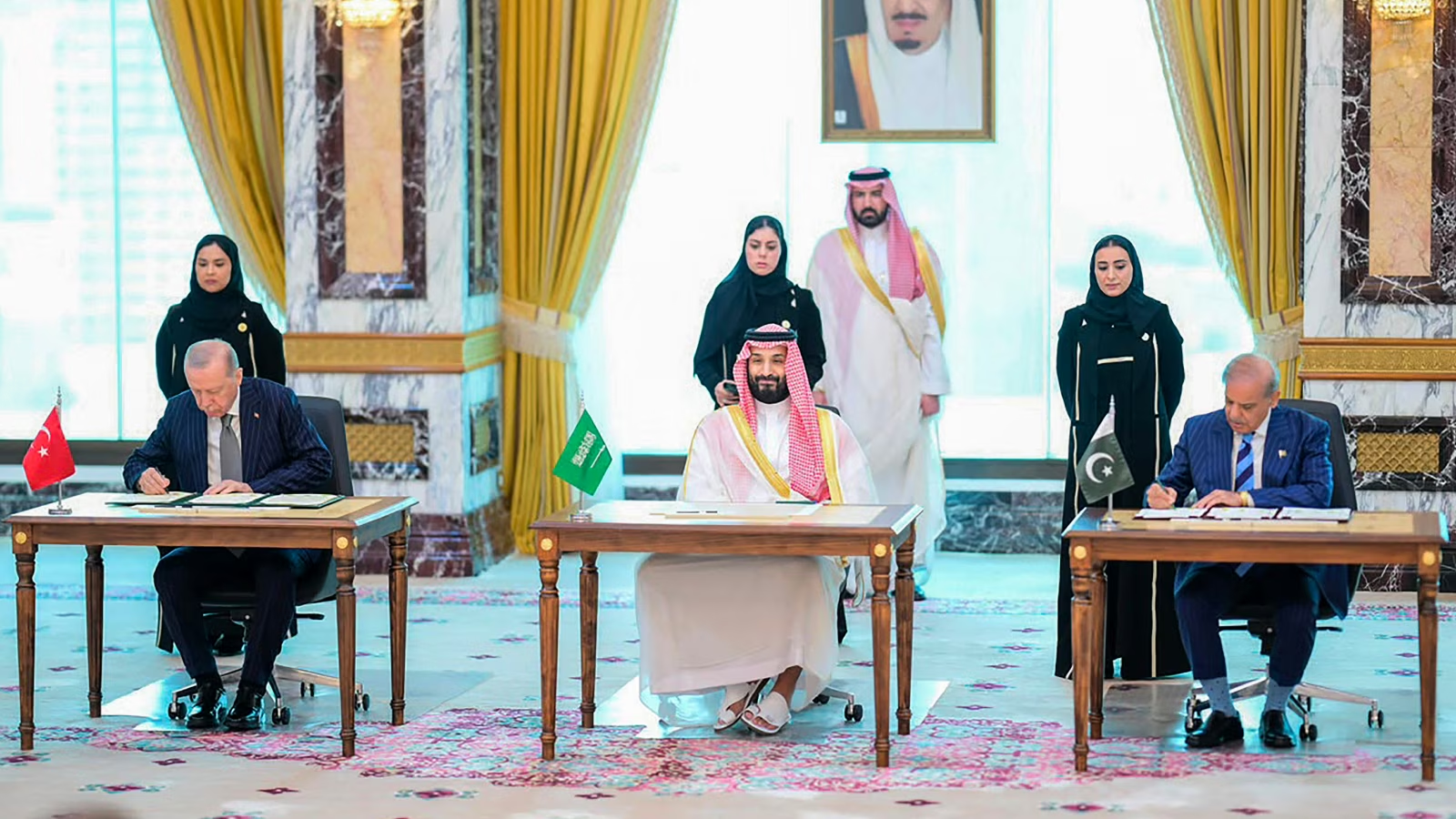
The decision came after defence and foreign ministers from the three countries met urgently in Riyadh. It is the first time the pact has been used since it was signed on August 7.
At its core, the agreement says an attack on one member will be treated as an attack on all, much like the central promise of NATO’s founding treaty.
Saudi defence minister Khalid bin Salman said the group agreed to activate collective deterrence measures against the attacks and everyone responsible for them. He described the strikes as heinous and said they targeted the kingdom and its holy sites.
A joint statement released by Pakistan’s Foreign Ministry added that the three countries will provide the agreed forces and capabilities and ensure their quick deployment to Saudi Arabia. This will follow approved arrangements and each nation’s laws. No troop numbers or timetable were given.
The Fighting in Yemen
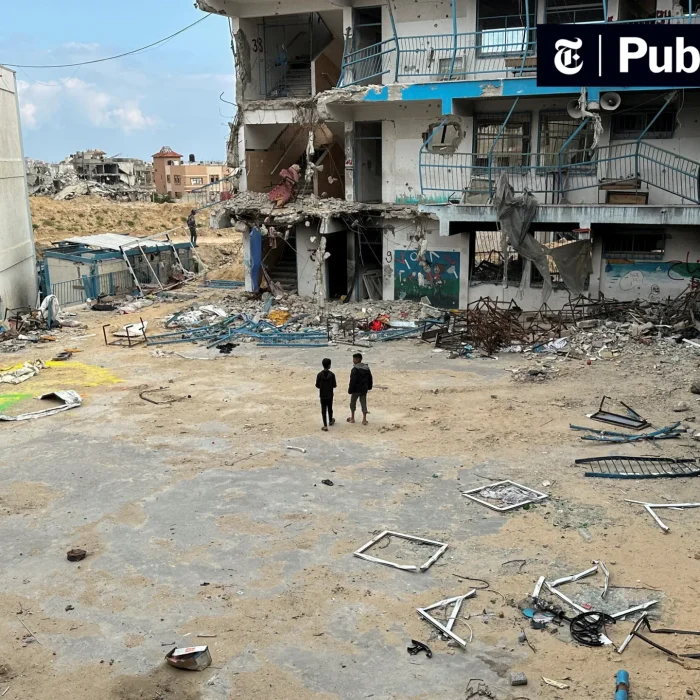
The announcement came hours after forces loyal to Yemen’s internationally recognised government launched a counteroffensive to win back territory the Houthis seized last month. Backed by Saudi Arabia, they say they have retaken the Red Sea port of Mocha and now control the strategic Bab al-Mandeb strait.
The Saudi-led coalition confirmed it is taking part, with 100 of its fighter jets providing air support.
The Houthis, who are aligned with Iran, claimed attacks on King Khalid International Airport in Riyadh and the Aramco refinery in Rabigh, along with an airport, an airbase and other key sites. Riyadh has not confirmed these claims.
How the Alliance Came About
The pact grew out of rising regional conflict after the US-Israeli war on Iran. It was signed in August, shortly before the Houthis began their offensive in Yemen, which has included strikes on Saudi targets.
Together, the three members have nearly 1.4 million active troops, about 3,400 military aircraft, 6,000 tanks and more than 340 naval assets, according to the 2026 Global Firepower Index.
Why It Took Until Now
After a barrage of Houthi missiles hit towards Saudi Arabia in early September, Pakistani defence minister Khawaja Asif warned that the pact would become operational if the conflict in Yemen spilled over into the kingdom. Still, nothing happened for weeks. Analysts said Pakistan and Turkiye were reluctant to give up their role as mediators in the war involving Iran.
What Analysts Are Saying
Abdulaziz Alghashian of the Gulf International Forum said the Houthi attacks and provocations hastened the alliance and even helped inspire it. He believes the decision will have a major impact on regional security. He also noted that talk of a regional security architecture is often hollow, but that its details are now starting to take shape, calling this a critical juncture for the region.
What to Watch Next
- When Turkish and Pakistani troops arrive and in what numbers
- Whether the Yemeni offensive holds Mocha and Bab al-Mandeb
- Any further Houthi strikes on Saudi territory
- How Iran and the United States react to the deployment
The Bottom Line
A pact that existed mostly on paper has now been put to the test. Whether it deters the Houthis or draws more countries into the conflict will decide if this is a stabilising step or a dangerous escalation.
Author