UAE Intercepts Iran Drone and Missile Attack as Strait of Hormuz Ceasefire Crumbles
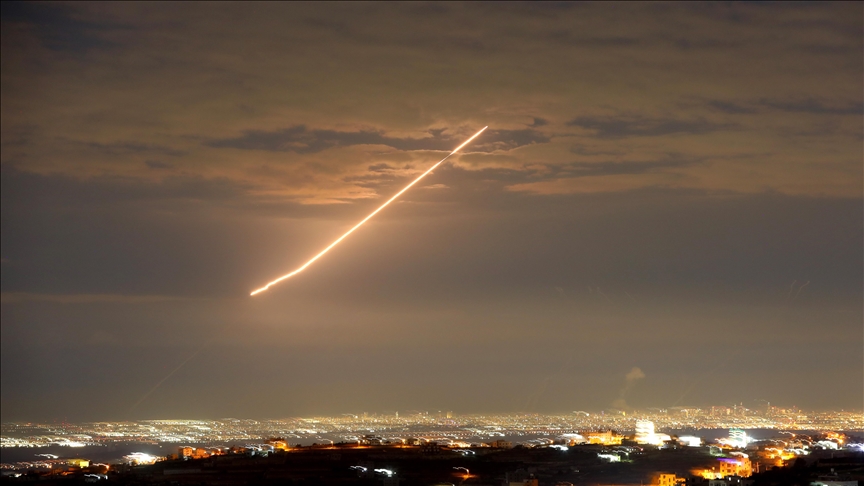
The fragile ceasefire between Iran and the United States took another serious blow on Friday after the United Arab Emirates intercepted a UAE Iran drone and missile attack — just hours after Washington said it thwarted strikes on three US Navy ships in the Strait of Hormuz. The escalating confrontations underline how dangerously thin the truce has become, even as diplomats scramble to keep peace talks alive.
The latest events have once again pushed the region — and global oil markets — to the edge.
UAE Air Defences Spring Into Action
Late Friday, the UAE’s defence ministry confirmed that the country’s air defences were “currently engaging missile and drone attacks originating from Iran,” with interception sounds reportedly heard across multiple parts of the nation.
Although there were no immediate reports of damage or casualties, the ministry urged residents to take a few key precautions:
- Do not approach any debris or fallen fragments
- Avoid photographing or touching wreckage
- Stay away from impact sites until officials clear the area
The warnings hint at the broader risk such attacks pose, even when interception is largely successful.
A Ceasefire Under Severe Strain
The ceasefire between the US and Iran has technically held since 8 April. But “holding” is starting to look like an increasingly relative term.
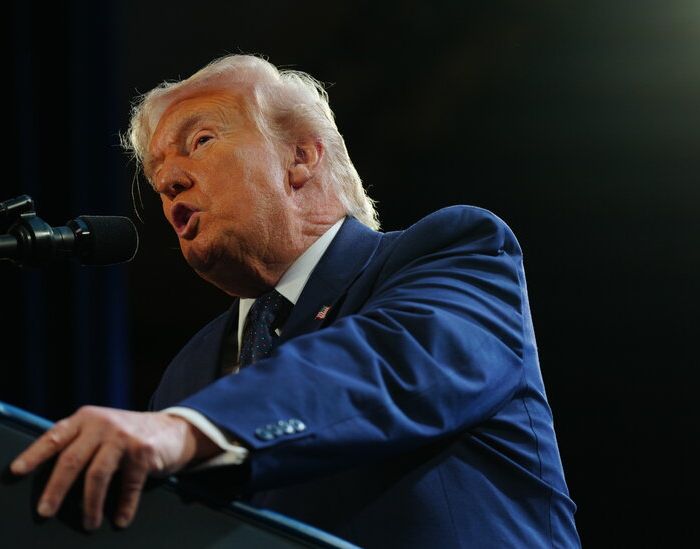
Earlier this week, the US said it stopped Iranian strikes targeting three Navy vessels in the Strait of Hormuz and responded with retaliatory hits on Iranian military facilities. President Donald Trump downplayed the back-and-forth, calling the US strikes “just a love tap” in a phone call with a reporter for ABC News.
Trump remained adamant that:
- The ceasefire is “holding”
- A deal could come “any day”
- A failure to sign would result in serious bombing campaigns
- Iran would face “a lot of pain” if it refused
His tough talk reflects how much pressure the negotiations are under, even as both sides try to avoid sliding back into full-scale war.
Negotiations Continue — With Pakistan as Mediator
Despite the latest exchanges of fire, Iran and the US are still trading proposals through Pakistan, which is acting as the primary mediator. On Thursday, Tehran said it was reviewing Washington’s most recent offer.
Key sticking points include:
- Iran’s nuclear programme
- Conditions for ending the war
- Resumption of oil and natural gas exports
- Movement of vessels in the Strait of Hormuz
In-person talks held in Pakistan last month failed to yield a breakthrough, but neither side appears ready to walk away. The diplomatic channels remain open even as the military situation worsens.
Iran’s Latest Move: Controlling the Strait of Hormuz
One of the most consequential developments isn’t a missile or a drone — it’s a new bureaucratic body. According to shipping data firm Lloyd’s List Intelligence, Iran has set up a government agency designed to vet, approve, and tax ships passing through the Strait of Hormuz.
The agency, dubbed the Persian Gulf Strait Authority, is reportedly:
- Positioning itself as the sole valid authority for transit permissions
- Set up to charge tolls from commercial shipping
- Likely to demand documentation and inspections from passing vessels
- Raising serious concerns about international maritime law
For the global shipping industry, this could be a major shake-up. Hundreds of commercial vessels are already stuck in the Persian Gulf, unable to reach open waters, and a formalised Iranian system of control could lock them into compliance with Tehran’s rules.
Why the Strait of Hormuz Matters So Much
The Strait of Hormuz is one of the most critical chokepoints in the world. A huge share of the planet’s oil, gas, and fertiliser flows through this narrow waterway. When ships can’t pass freely, the impact ripples around the globe.
Currently:
- Iran has effectively closed the strait
- The US is blockading Iranian ports
- Hundreds of vessels are stranded in the Gulf
- Fuel prices have surged worldwide
- Energy security concerns are intensifying in Asia, Europe, and beyond
The situation has triggered fears of a fresh global energy crisis at a time when economies are already feeling pressure from inflation and slowing growth.
A Brief Calm: Tanker Reaches South Korea
Friday brought one rare bit of routine news. An oil tanker that managed to slip through the Strait of Hormuz in mid-April finally arrived off the coast of South Korea, where its cargo of 1 million barrels of crude oil will be unloaded at the HD Hyundai Oilbank refinery.
For South Korea — which imported more than 60% of its crude oil through the strait last year — this delivery is essential. To weather the impact of the conflict, the country has already taken several steps, including:
- Capping prices of gasoline and petroleum products
- Boosting domestic stockpiles
- Diversifying import routes where possible
- Preparing emergency response plans
Still, even with these measures, the country remains highly exposed to disruptions in the strait.
Iran-US Clashes Reach Tehran’s Suburbs
Iranian state media reported that the country’s forces exchanged fire with “the enemy” near Qeshm Island in the Strait of Hormuz. There were also reports of loud explosions and continuous defensive fire in western Tehran late Thursday night.
These reports add to the picture of a conflict that, while still under a “ceasefire,” is clearly far from peaceful. Civilians on both sides remain on edge, especially with each side warning of more strikes if conditions aren’t met at the negotiation table.
What’s at Stake for the Global Economy
The combination of military tensions and Iran’s new shipping authority is making global markets jittery for several reasons:
- Higher oil prices put pressure on inflation in major economies
- Insurance premiums for tankers transiting the Gulf are climbing
- Companies are rerouting cargo at higher cost
- Long-term shipping decisions are being put on hold
- The risk of a wider conflict is keeping investors cautious
If Tehran enforces tolls or detains ships that don’t comply, it could mark one of the most aggressive economic interventions in modern maritime history.
Final Thoughts
The latest UAE Iran drone and missile attack is a clear sign that the Iran-US ceasefire is hanging by a thread. With Tehran establishing new control over the Strait of Hormuz, US Navy vessels under threat, Trump warning of expanded military action, and global shipping in chaos, the world is watching one of the most volatile geopolitical moments of the year.
Whether diplomacy succeeds or collapses, the consequences are spilling far beyond the Persian Gulf. From energy markets in Europe to fuel pumps in Asia, the ripple effects of this conflict are already being felt — and may grow significantly in the days ahead.
For now, leaders on every side are walking a tightrope. One misstep could turn what’s left of the ceasefire into another full-scale war, with consequences none of them can afford.
Author