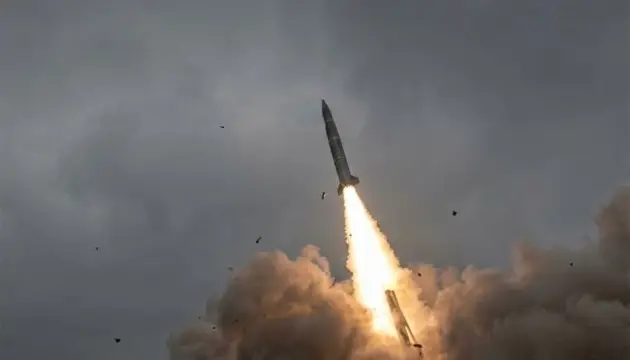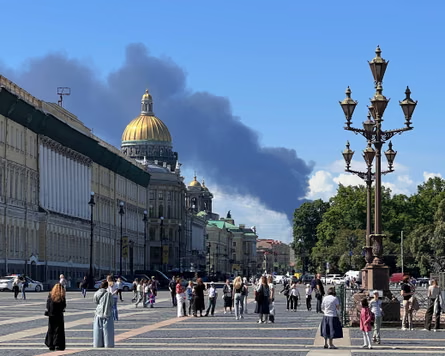
A Ukrainian drone attack tore into an oil terminal in St. Petersburg on Saturday, according to Russian officials, marking the latest blow in Kyiv’s escalating campaign against Russia’s energy backbone. The strike reached deep into Russian territory, hitting a city far from the front lines and underscoring just how far Ukraine’s reach now extends.
The assault is part of a relentless pattern. With near-daily long-range strikes battering Russian oil facilities, Kyiv has helped trigger a fuel crisis that is piling political pressure on the Kremlin as its invasion grinds into a fifth year.
A Strike on Russia’s Second City
Local authorities confirmed that the city’s Kirovsky district, which sits along the Baltic Sea, took the hit. The regional governor reported that air defenses managed to bring down 72 Ukrainian drones across St. Petersburg and its surrounding areas — a figure that hints at the sheer scale of the overnight barrage.
This wasn’t the district’s first brush with Ukrainian firepower. It had already been targeted back in June, just before Russia hosted its marquee St. Petersburg International Economic Forum, an event meant to showcase the country’s economic resilience.
Ukraine Frames the Attacks as “Sanctions”
Ukrainian President Volodymyr Zelenskyy cast the operation as part of what he called Ukraine’s “long-range sanctions” against Moscow — a phrase that reframes military strikes as economic warfare aimed at choking off the Kremlin’s revenue.
According to Zelenskyy, Ukrainian forces struck more than just the oil facility. He said they also hit a military target on Kronstadt, an island just off the St. Petersburg coast.
In a message posted online, he explained the logic behind the dual strike:
- The port oil infrastructure was targeted because it generates money that funds Russia’s war effort.
- Kronstadt was singled out as a significant military objective.
By linking the two, Zelenskyy signaled that Ukraine intends to hit both the financial engine and the military machinery driving the conflict.
The Growing Toll Across Russia
The consequences of these strikes are rippling far beyond St. Petersburg. The Crimean peninsula, which Russia annexed in 2014, has been hammered particularly hard. The damage has grown severe enough that local officials were forced to halt gasoline sales to civilians.
On Saturday, a Ukrainian strike in the region killed one person and wounded two others, including a 10-year-old child, according to the Moscow-installed governor. It was a grim reminder that the escalating air war continues to claim civilian lives on both sides of the conflict.
Elsewhere, the border city of Belgorod — a frequent target of Ukrainian drones — was left almost entirely without power on Saturday following overnight attacks, according to local media reports.
Bringing the War Home
For much of the conflict, the Kremlin has worked to insulate ordinary Russians from the realities of the war. That narrative is now under strain.
Russian President Vladimir Putin has publicly downplayed the strikes on his country’s energy sites, dismissing them as “not critical” and insisting the war will press on until his objectives are achieved. He has portrayed the attacks as a desperate attempt by Ukraine to divert attention from battlefield setbacks.
Yet analysts paint a more complicated picture, noting that Russia’s own advance has stalled in recent months. More importantly, the strikes have shattered the Kremlin’s carefully maintained image of a war that doesn’t touch daily life at home. For millions of Russians now facing fuel shortages and power outages, the conflict has become impossible to ignore.
Whether Putin can prevent the mounting fuel crisis from eroding public support remains an open question. For now, he appears confident his government can weather the disruption without losing its grip on authority.
A Battle Over the Truth on the Ground
The war of words has proven nearly as fierce as the fighting itself. On Friday, Putin visited the military headquarters overseeing the campaign in Ukraine, where he received a report claiming the capture of the city of Kostyantynivka after weeks of brutal street-by-street combat.
Dressed in military fatigues, Putin hailed the reported seizure as a development of “major strategic importance,” framing it as a stepping stone toward capturing the nearby strongholds of Sloviansk and Kramatorsk. These cities anchor a heavily fortified band of territory in the Donetsk region that remains under Ukrainian control.
Zelenskyy flatly rejected the claim. He dismissed it as yet another Russian fabrication designed to manufacture a favorable headline. In a pointed challenge, he argued that if the city were truly in Russian hands, Putin would have no reason to avoid meeting him there to negotiate an end to the war. The reality, Zelenskyy insisted, is that Putin won’t cross the front line — because the situation on the ground differs sharply from his public statements.
An Appeal to Washington
Zelenskyy’s remarks carried an additional audience in mind: the United States. Timing his message to coincide with the eve of America’s Independence Day, he accused Putin of deceiving both the world and the American president about the true state of the front.
The appeal reflects Ukraine’s ongoing effort to keep Western allies engaged and skeptical of Kremlin claims, particularly at moments when international attention might drift elsewhere.
Civilians Caught in the Crossfire
As the strategic chess match plays out, civilians continue to bear the brunt of the violence. In Ukraine’s southeastern Zaporizhzhia region, a Russian attack struck residential buildings on Saturday, wounding eight people, including two children, according to local authorities.
The incident highlights a sobering truth about this stage of the war: even as both sides trade long-range blows against infrastructure and military targets, it is ordinary people — in Russian border towns and Ukrainian cities alike — who keep paying the highest price.
A War Without an Off-Ramp
The St. Petersburg strike, coming alongside Putin’s battlefield claims and Zelenskyy’s sharp rebuttals, captures the current shape of a conflict with no clear resolution in sight. Ukraine is determined to make the war costly and visible deep inside Russia, while Moscow insists it can absorb the damage and fight on.
With energy facilities burning, cities losing power, and both leaders locked in dueling narratives, the war’s fifth year appears set to be defined by a simple, brutal contest — which side can endure the mounting pain longer.
Author