US strikes on Iran have resumed, at least on a limited scale, with an American official confirming on Monday that defensive action was taken against Iranian targets in the Strait of Hormuz. The strikes came just one day before pivotal midterm elections and despite President Donald Trump’s earlier assurance that no fresh attacks would be launched before voters went to the polls.
What Was Hit and Why
Iranian state television reported explosions on Qeshm Island, a strategic landmass near the mouth of the Gulf. The American official, who spoke anonymously because they were not cleared to discuss the matter publicly, said the targets were Iranian forces using surface-to-air missiles against US assets in the area.
The operation appears to have been narrow in scope rather than a return to the sustained bombing campaign seen earlier in the war. Even so, it marks the first known American military action against Iran since early September and is likely to unsettle a region already bracing for the possibility of wider conflict.
A War Weighing on the Midterms
The timing is politically awkward for Trump. The conflict with Iran, now more than eight months old, has grown deeply unpopular at home. Rising gasoline prices and broader economic strain have given Democrats a potent line of attack as Republicans fight to retain control of Congress.
Trump had sought to neutralise the issue by promising restraint before election day. Monday’s strikes, first reported by The Wall Street Journal, undercut that message even as the president tried to play down the conflict in a speech billed as his closing argument to voters. He questioned whether the situation even qualified as a war, pointing out that there had been no active fighting for months. The conflict has nonetheless cost American taxpayers at least $47 billion.
Diplomacy Shows Signs of Life
Just hours before the strikes were confirmed, Vice President J.D. Vance struck a hopeful note. He revealed that he had been in touch with Trump about the state of negotiations and said both men felt reasonably confident about reaching a settlement. Vance had sent a letter to Iran’s security chief, Mohsen Rezaei, last week, though the White House has disclosed little about its contents. Trump described it as concerning medical supplies and similar assistance.
Rezaei, for his part, told Iranian state television that Washington’s tone had shifted noticeably and called the change a positive signal. He confirmed he had not yet replied to the letter.
Behind the scenes, Qatari mediators held two rounds of discussions with Iranian officials last week. According to two regional officials, the talks are centred on a possible framework in which Iran would halt its attacks in the Strait of Hormuz in exchange for the United States lifting its blockade of Iranian ports. Additional meetings are expected this week.
Netanyahu Pushes for Escalation
Not everyone is backing the diplomatic track. Israeli Prime Minister Benjamin Netanyahu has been lobbying Trump to authorise a new wave of strikes once the midterms are over, according to two regional officials and a third person familiar with the discussions. During a weekend phone call, Netanyahu pressed the case directly, but Trump declined to commit to military action.
One official said Netanyahu is coordinating with senior figures in the US administration to make the case for a short but intensive air campaign. The president, by all accounts, has not yet decided.
Netanyahu’s motives are not purely strategic. After losing his parliamentary majority in last week’s Israeli elections, a return to full-scale war could give him grounds to form an emergency government and remain in power. The Israeli government did not comment on the reports, and the White House sidestepped questions about the weekend call.
Arab Allies Sound the Alarm
Other American partners in the Middle East are pushing in the opposite direction. A third regional official said several governments have warned that renewed strikes would destabilise the region and could prompt Iran-aligned Houthi rebels in Yemen to intensify attacks on Saudi Arabia and shipping in the Red Sea. Iran-backed militias in Iraq might also enter the fray.
Saudi Defence Minister Prince Khalid bin Salman spoke by phone with US Defence Secretary Pete Hegseth on Monday, discussing regional developments and the Houthis’ ongoing attacks on the kingdom.
The anxiety was on full display at the Manama Dialogue, a security conference in Bahrain. UAE presidential adviser Anwar Gargash told delegates that American and Iranian positions remain far apart and warned of dire consequences if the gap cannot be closed. Egypt’s foreign minister, Badr Abdelatty, cautioned that any further escalation would be more destructive than anything seen so far and would ultimately achieve nothing.
Gulf states have poured billions into strengthening their defences since the war began, a sign of how seriously they take the threat of spillover.
Iran Prepares for Both Outcomes
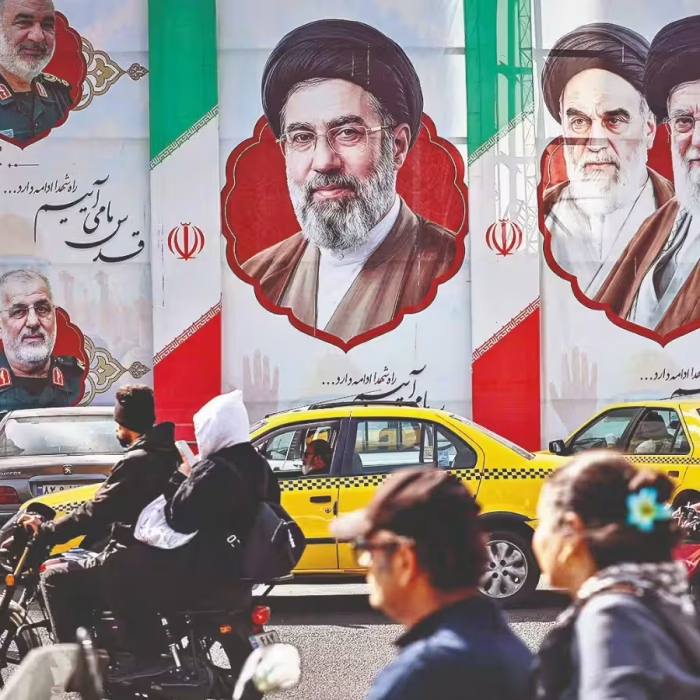
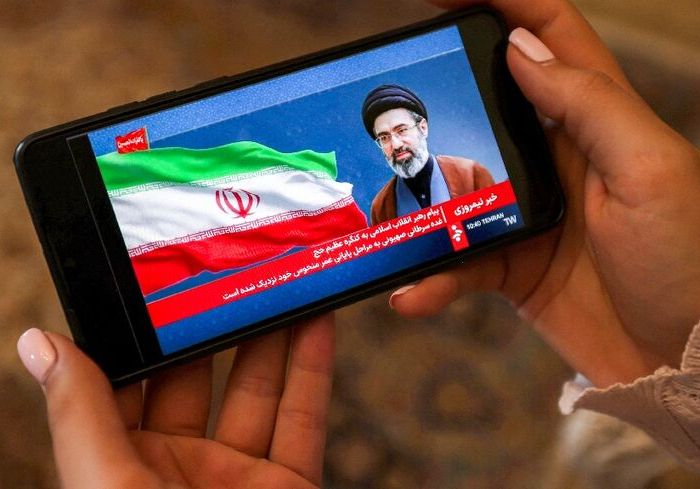
Tehran insists it is ready for either war or peace. Iran’s new supreme leader, Ayatollah Mojtaba Khamenei, met with military commanders and declared that any threat from the US or Israel should be answered immediately and without geographic limits, urging an expanded list of potential targets.
Iranian officials are also demanding guarantees that Washington will honour any agreement. Their scepticism is rooted in experience: the US and Israel have twice attacked Iran while negotiations over its nuclear programme were underway.
An Associated Press analysis found that Iranian strikes on more than two dozen American bases since the war started have inflicted billions of dollars in equipment damage, underscoring Tehran’s capacity to retaliate.
Pressure in the Strait
October saw the highest number of attacks on commercial vessels in the Strait of Hormuz since March, as Iran tried to ratchet up economic pressure to force an end to the blockade. Thousands of US troops remain stationed in nearby waters enforcing that blockade, and a third aircraft carrier along with additional forces is now heading to the region.
Markets, meanwhile, responded to the diplomatic signals rather than the strikes. Oil prices fell sharply on Monday as hopes for a negotiated outcome grew.
Global Stakes
China is also stepping in. Foreign ministry spokesperson Mao Ning announced that Beijing will dispatch a special envoy to Iran, Oman and Saudi Arabia in early to mid-November, adding another layer to the diplomatic manoeuvring.
With elections in the United States, a fragile government in Israel and a region on edge, the coming days could determine whether the conflict winds down or flares back into open war.
Author