The US blockade of the Strait of Hormuz escalated dramatically overnight when American forces fired a missile into the engine room of a cargo ship attempting to slip into an Iranian port. The strike, which came after the vessel disregarded more than 20 warnings, marks the latest flashpoint in a tense standoff that continues to ripple across the global economy.
The Strike on the Lian Star
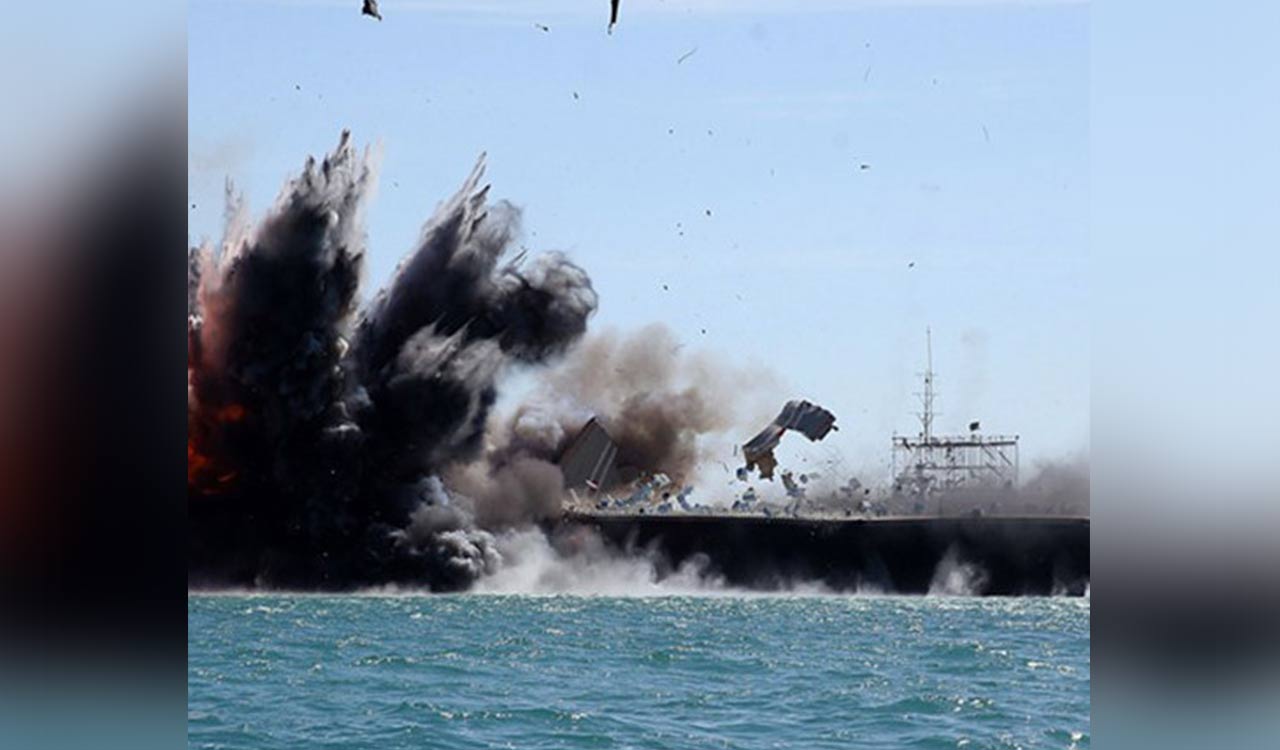
According to the U.S. military, the Gambia-flagged cargo ship Lian Star ignored repeated warnings throughout the night as it tried to enter an Iranian port. After more than 20 such warnings went unheeded, U.S. forces struck the vessel’s engine room with a missile.
A U.S. official with knowledge of the operation, speaking anonymously to discuss military matters, said the ship was left adrift in the Gulf of Oman following the strike. As of the latest reports, American forces had not boarded the vessel. The incident underscores how seriously the U.S. is enforcing its blockade and how far it is willing to go to stop ships from reaching Iranian ports.
How the Blockade Began
The current confrontation has roots in a wider conflict. The war in the Middle East erupted on February 28 with U.S. and Israeli strikes against Iran. In the aftermath, Iran effectively closed the strait, prompting the United States to launch its blockade on April 17.
A fragile ceasefire has been in place since April 7. The entire region now waits to learn whether a deal can be struck to extend that truce by 60 days, during which negotiations would address Iran’s disputed nuclear program. For the moment, the situation remains unresolved and highly volatile.
A Waterway That Moves the World
The Strait of Hormuz is no ordinary stretch of water. Situated between Iran and Oman, it serves as a critical artery for global trade, and the disruptions there have shaken the world economy.
Massive volumes of essential goods now sit stranded or move only at reduced levels, including:
- Oil
- Natural gas
- Related supplies such as fertilizer
The bottleneck has intensified pressure on both everyday consumers and food producers, demonstrating how a single waterway can send shockwaves through international markets.
The Strategy Behind the Blockade
The U.S. blockade is not simply about controlling shipping lanes. Its broader aim is to choke off Iran’s own exports and further restrict the country’s access to cash.
By limiting Iranian shipments, Washington hopes to deepen the strain on an economy that has long struggled. The strategy is designed to increase the financial pressure on Tehran while broader diplomatic efforts play out in the background.
A Decision Still Pending
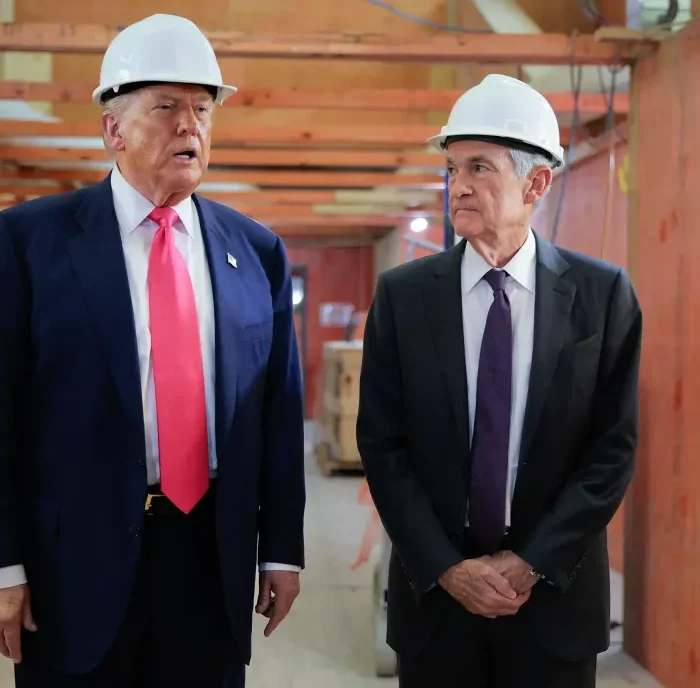
At the center of the diplomatic uncertainty is President Donald Trump. He met with advisers on Friday but has not yet decided whether to move forward with a deal that would extend the ceasefire and reopen the strait.
The Iranian side has cautioned that no agreement has been finalized. This leaves both the military and economic dimensions of the crisis hanging in the balance, with no clear timeline for resolution.
Traffic Continues, Quietly
Despite the high tensions, commercial shipping has not stopped entirely. Traffic has continued to move through the strait, even as Iran insists that it must approve any transits. That said, the volume remains far below what it was before the war, reflecting the chilling effect of the conflict and the blockade.
Iran’s military leadership made its position clear in a statement carried by state television on Saturday. The joint military command warned that any violation of its regulations would put the security of a ship’s passage at serious risk, and signaled that military vessels attempting to interfere would be targeted.
The Controversy Over Tolls
One of the more contentious aspects of the standoff involves money. Iran has been charging tolls for transit through the strait, with fees reportedly reaching as high as $2 million.
Experts have criticized these charges as a violation of a core principle of international maritime trade: the freedom of peaceful navigation. The practice has added a financial layer to an already fraught situation, raising questions about the rules governing one of the world’s most important shipping routes.
A Path Toward Compromise?
Not all responses to the tolls have been outright rejection. Qatar’s deputy prime minister, Sheikh Saoud bin Abdulrahman bin Hassan bin Ali Al Thani, offered a more nuanced view on Saturday.
He stated that Qatar opposes charging fees for transit as a general matter. However, he suggested there could be room for negotiation in specific circumstances, such as when fees are tied to temporary needs like mine clearing. In his view, such a limited and defined arrangement might actually help return traffic through the Strait of Hormuz to a more normal state.
The Question of Mines
The mention of mine clearing touches on a point of dispute. The U.S. official previously told The Associated Press that American forces had not located or destroyed any mines in the strait.
That detail matters, as it casts doubt on certain justifications for the disruptions and the fees, and highlights the gap between competing narratives about what is actually happening in the waterway.
The Bottom Line
The missile strike on the Lian Star is a stark reminder of just how dangerous the situation in the Strait of Hormuz has become. The US blockade, born out of a broader Middle East war, has reshaped global trade flows, strained economies, and set the stage for a high-stakes diplomatic gamble.
With a ceasefire hanging by a thread, a possible extension under discussion, and President Trump’s decision still pending, the coming days could prove pivotal. For now, the strait remains a flashpoint where military force, economic pressure, and delicate negotiations all converge, and the world watches closely to see which way the balance tips.
Author