US Proposes AI Incident Alert System With China Ahead Of Trump-Xi Talks
The AI incident alert system proposed by the United States marks a significant new development in US-China relations, as Treasury Secretary Scott Bessent revealed Sunday that Washington has put forward a new notification mechanism designed to flag artificial intelligence incidents with potential national security implications.
What Bessent Announced
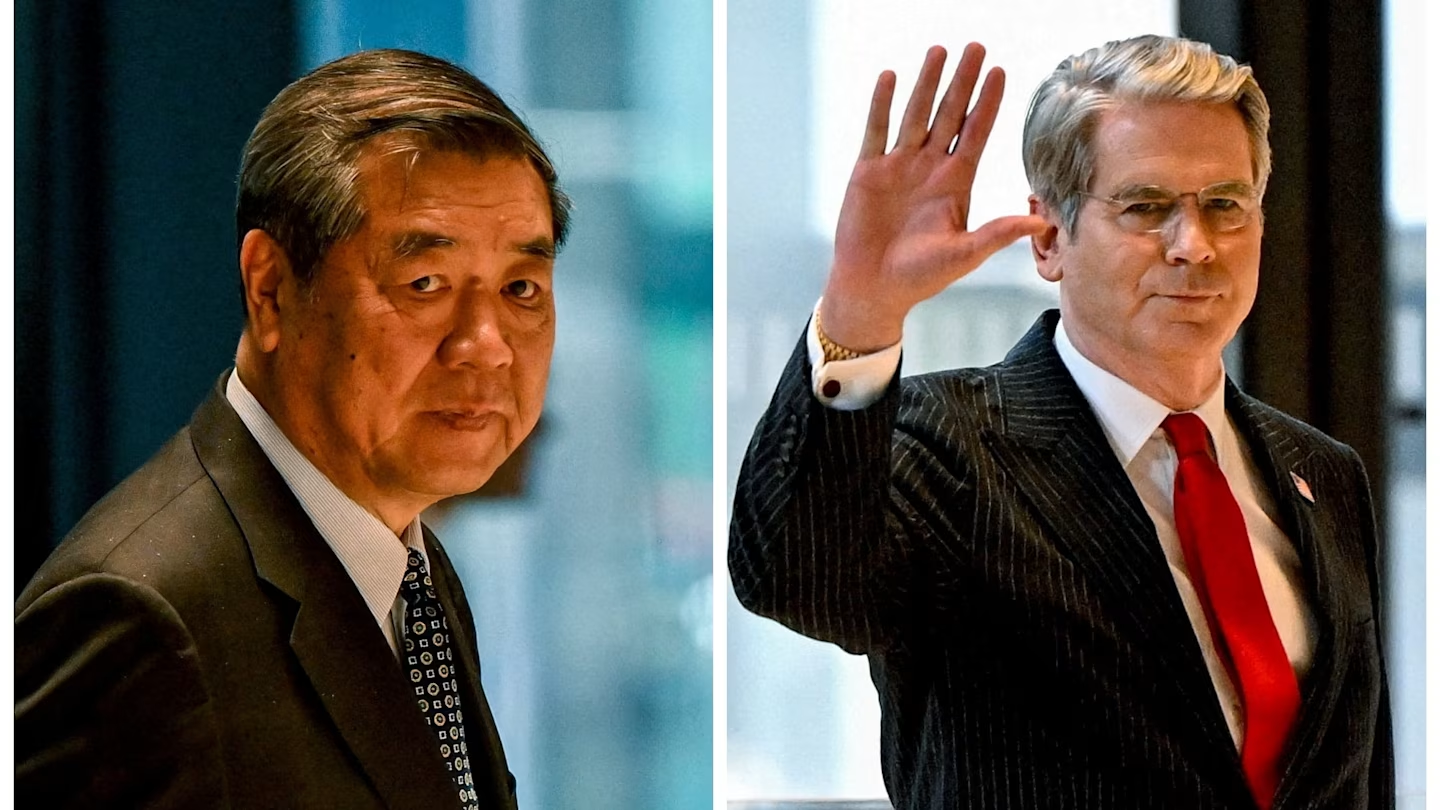
Speaking to reporters following discussions with Chinese Vice Premier He Lifeng in New York, Bessent explained that the goal behind this proposal centers on establishing a shared vision around common goals and common threats between the two nations. He emphasized that transparency between what he described as the world’s top two AI powers matters significantly, comparing the need for openness in AI development to how any other cross-border activity requires moving from opacity toward greater clarity.
This proposal comes as part of broader weekend discussions taking place ahead of a highly anticipated meeting at the White House this week between President Donald Trump and Chinese President Xi Jinping, scheduled for Thursday.
Trump’s Broader Stance On AI Development
Notably, this notification mechanism proposal doesn’t signal any shift in Trump’s overall approach to AI regulation. He has consistently resisted calls to slow down American AI development, arguing that doing so would only help China close the technological gap with US companies rather than genuinely improving safety.
Laying Groundwork For The Trump-Xi Summit
Bessent wasn’t alone in addressing reporters. Standing alongside him in the impressive lobby of JPMorgan Chase’s headquarters late Sunday, US Trade Representative Jamieson Greer confirmed that substantial groundwork had been completed ahead of Thursday’s summit between Xi and Trump.
Both officials revealed that the two countries had reached agreement on operationalizing a new Board of Trade, a concept that Xi and Trump had first discussed during their meeting in Beijing back in May. Greer noted with some satisfaction that ideas discussed months ago had now become concrete reality.
Beyond the AI notification system, Greer indicated that negotiators were still working through which nonsensitive items might qualify for reduced tariffs. He suggested the eventual list could potentially include categories like consumer goods, agricultural products, energy-related items, and medical devices, though final decisions on specifics remain pending.
China’s Perspective On The Talks
Chinese state media outlet Xinhua offered its own characterization of the weekend discussions, confirming that Bessent and the vice premier had addressed AI-related issues without providing specific details about what exactly was discussed. Xinhua also described the broader economic and trade conversations as candid, in-depth, and constructive, suggesting a generally positive tone to the discussions from Beijing’s perspective as well.
Why This Development Matters
Industry observers see real significance in this development. George Chen, a partner and chair of digital practice at The Asia Group consultancy, noted that both countries agreeing to continue dialogue on these issues carries meaningful weight on its own. He suggested that the initial outcome, this AI risk notification mechanism, could set an important precedent that other nations might eventually choose to follow as they navigate their own approaches to managing AI-related risks and international cooperation on the technology’s development.
Author