US Strikes Iran as Tehran Hits Back in the Most Serious Clashes Since the April Ceasefire
The fragile peace between Washington and Tehran took a sharp turn for the worse as the US strikes Iran and Tehran hits back with an attack on an American air base. The exchange, which unfolded on Thursday, represents the most serious confrontation since the April ceasefire took effect, and it has thrown a delicate diplomatic effort into serious doubt.
The renewed violence not only deepened the crisis between the two nations but also pulled in regional players, raising fears that the broader conflict could spiral further out of control.
How the Fighting Erupted
The latest round of hostilities appeared to begin when Iranian forces opened fire on four ships attempting to cross the Strait of Hormuz, according to state broadcaster IRIB. The incident set off a rapid chain of events.
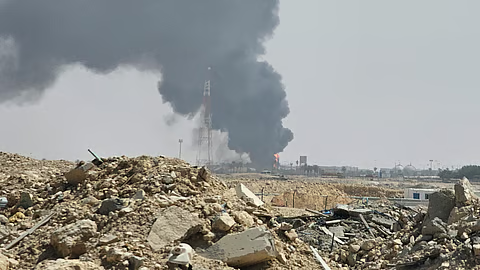
In response, US forces launched strikes that hit a ground control station in the southern port area of Bandar Abbas, according to a US official who spoke on the condition of anonymity. The strike, however, did not go unanswered.
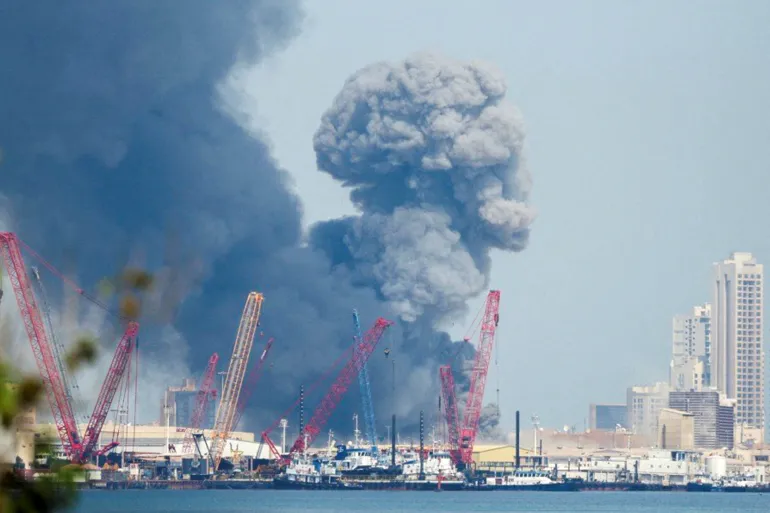
Iran’s Revolutionary Guards quickly claimed retaliation, stating that following what they called American aggression near Bandar Abbas Airport using aerial projectiles, they had targeted the very US air base that served as the source of the attack at 4:50 a.m. local time. The Guards did not disclose the location of the base, but Kuwait’s military reported that its air defenses were responding to an enemy attack the same day.
A Diplomatic Effort Hangs in the Balance
The timing of the clashes could hardly be worse for ongoing peace negotiations. The fighting cast fresh doubt over talks aimed at formally ending the war that began on February 28 with US-Israeli strikes on Iran.
At the heart of the proposed deal lies the Strait of Hormuz, a critical waterway that Tehran has effectively shut down. This closure has left global energy markets struggling with reduced supplies of the enormous volumes of oil and gas that normally flow through the passage.
The market reaction was immediate. Oil prices climbed on Thursday following reports of the strikes, reversing much of the decline seen on Wednesday when hopes for an imminent deal had briefly lifted spirits.
The Battle Over the Strait of Hormuz
The Strait of Hormuz has become a central sticking point in the conflict. Both sides remain deeply at odds over its control, and neither appears willing to back down easily.
On Wednesday, the Guards’ navy declared that only ships willing to abide by Iranian rules would be permitted to pass through Hormuz. In a further escalation of economic pressure, the US Treasury announced sanctions against Iran’s Persian Gulf Strait Authority, the newly created agency that collects fees from vessels traveling through the waterway.
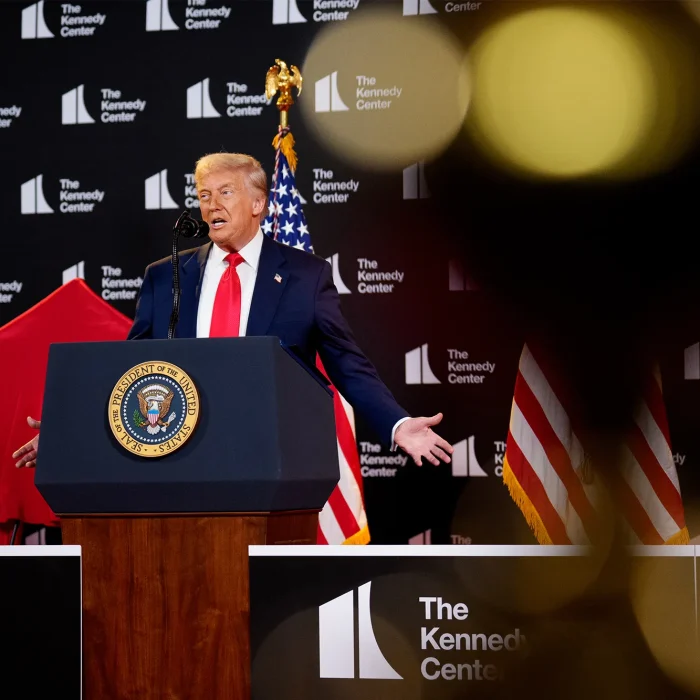
President Donald Trump made his position unmistakably clear. When asked about a possible short-term arrangement allowing Iran and Oman to jointly manage the strait, he insisted it would remain open to all.
“No, the strait is going to be open to everybody,” Trump said. “It’s international waters and Oman will behave just like everybody else or we’ll have to blow them up. They understand that, they’ll be fine.”
The remark, directed at Oman, a US ally and mediator that has itself come under attack from Tehran, raised eyebrows. The White House did not immediately clarify whether the president had misspoken.
Conflict Intensifies in Lebanon
The violence was not confined to Iran. Lebanon, another front in the war, also saw fresh strikes on Thursday.
Israel announced that it had hit the southern city of Tyre after warning it would act against the Iran-backed Hezbollah. The Israeli military declared all areas south of the Zahrani River, located roughly 40 kilometers from the border, to be combat zones.
The escalation has had real human consequences. After Israel ordered evacuations across large parts of southern Lebanon, many residents fled to Tyre, a city of more than 100,000 people. Ironically, Tyre then became the subject of new Israeli evacuation orders, with the military stating it had begun strikes against Hezbollah infrastructure there on Thursday morning.
Israeli Prime Minister Benjamin Netanyahu had vowed earlier in the week to “crush” Hezbollah, while the army chief confirmed that Israel was intensifying its operations against the group.
Stalled Negotiations and Hard Lines
For weeks, Iran and the United States have traded threats while negotiating indirectly through Pakistani mediation. Yet neither side has shown willingness to compromise on the two biggest issues: the Strait of Hormuz and Iran’s nuclear program.
US Secretary of State Marco Rubio said on Tuesday that a deal remained within reach, but he made clear that the strait would be reopened one way or another. Iran, meanwhile, has insisted that any peace agreement must also extend to Lebanon.
There, an April 17 ceasefire has done little to stop the fighting between Israel and Hezbollah. The group had drawn Lebanon into the broader war by attacking Israel in early March, in retaliation for the death of Iran’s supreme leader.
Life Under the Shadow of War
Amid the political and military turmoil, ordinary Iranians are living with deep uncertainty. In a possible sign of returning normalcy, Iranian authorities partially restored access to the global internet this week after a three-month shutdown.
For some, the change brought relief mixed with anxiety. A 20-year-old student in Tehran, who gave only her first name Hana, said she felt better being able to use her favorite apps again. Yet she also voiced a lingering fear that war could resume at any moment and cut her off from her friends once more.
That sense of dread was echoed by Amir, a 27-year-old software developer in the capital. He admitted that nothing felt certain, describing the daily anxiety simply: the constant question of whether missile strikes would come that night.
What Lies Ahead
As the US strikes Iran and Tehran hits back, the path to peace looks more uncertain than ever. With both sides entrenched on the key issues, regional conflicts intensifying in Lebanon, and ordinary citizens caught in the crossfire, the situation remains dangerously volatile.
The coming days will reveal whether diplomacy can pull the region back from the brink or whether this latest escalation marks the beginning of a renewed and even more devastating phase of the war. For now, millions across the region wait anxiously, hoping for calm but bracing for the worst.
Author