Western Washington Bakes Toward 90 Degrees as Fire Danger Climbs Statewide
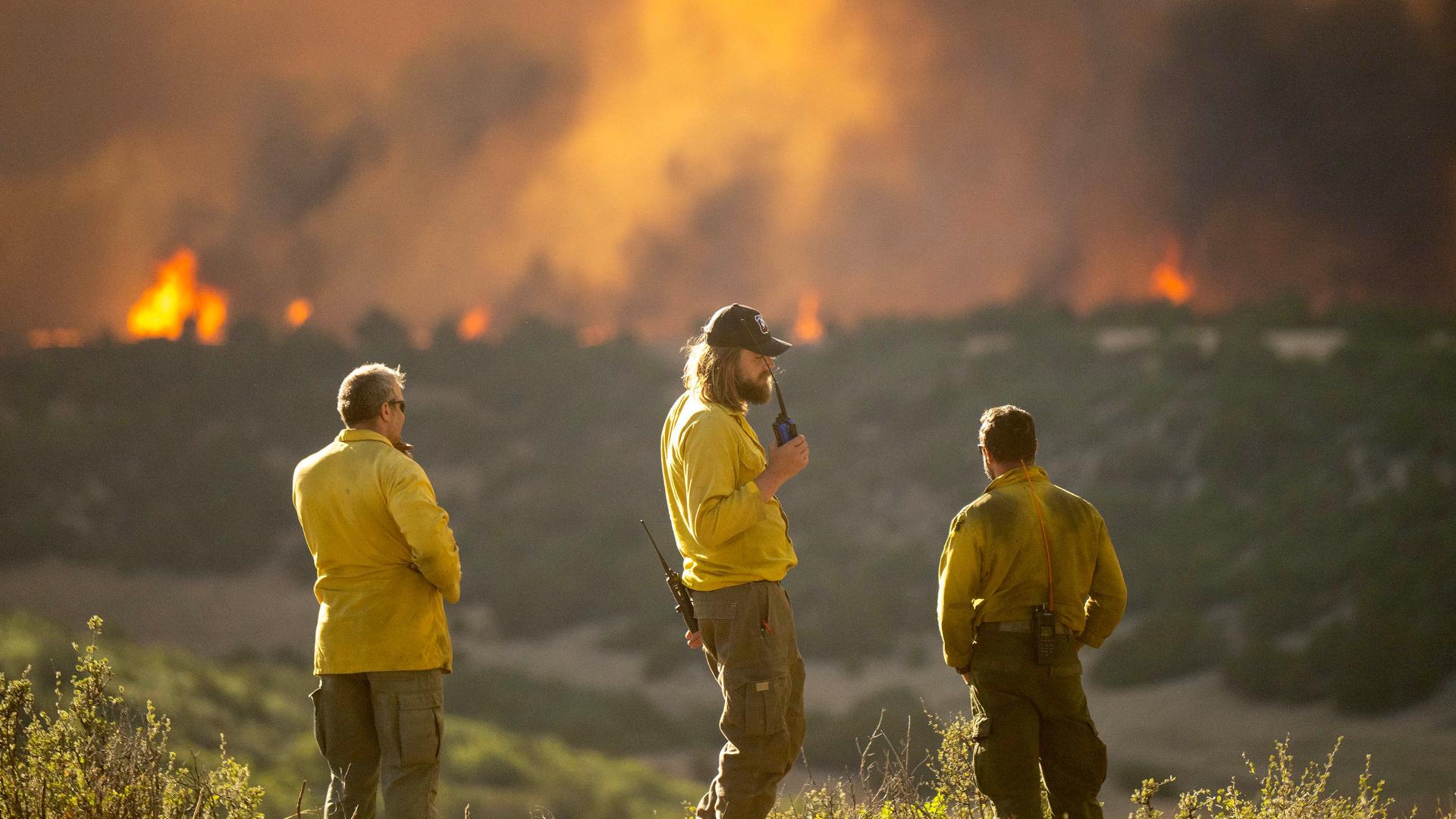
Western Washington fire danger is rising alongside the thermometer this week, with sunshine and building heat expected to push parts of the region into the 90s — an uncomfortable development while crews remain committed to several wildfires already burning across the state.
The combination of high temperatures, dry fuels and active fires is the kind of setup fire managers watch closely.
Where Things Stand on the Map
The Washington Department of Natural Resources wildfire danger map currently places most of Western Washington in the “high” category.
Conditions are worse east of the mountains. Most of central and eastern Washington is rated “very high,” reflecting the drier climate and more fire-prone fuels typical of that side of the state.
These ratings aren’t abstract. They reflect measurable conditions — fuel moisture, recent precipitation, temperature and humidity trends — and they directly influence burn restrictions, campfire rules and how aggressively agencies stage resources.
What Makes This Week Different
Temperatures approaching 90 degrees are not extraordinary for a Pacific Northwest summer. What matters is the compounding effect.
Each hot, dry day pulls additional moisture out of grasses, brush and forest litter. Fuels that would resist ignition after a wet spring become receptive to a single spark once they’ve been baked repeatedly. Western Washington’s dense vegetation, often assumed to be too green to burn, dries out faster than people expect during extended warm stretches.
The presence of active fires adds another layer. Crews already deployed elsewhere means fewer resources immediately available if something new starts.
The Short-Term Outlook Is Mixed
The latest 8- to 14-day outlook from the Climate Prediction Center and NOAA offers a somewhat contradictory picture for the coming weeks:
- A 33 to 40 percent chance of above-normal precipitation
- A 33 to 40 percent chance of above-normal temperatures across most areas west of the Cascades
Rain would obviously help. But warmth and moisture arriving together is less useful than it sounds — higher temperatures accelerate evaporation, and scattered summer rainfall often comes with lightning, which starts fires in remote terrain that crews struggle to reach quickly.
The Longer Forecast Is More Concerning
NOAA’s outlook for August through October points in a clearly unfavourable direction for Western Washington: up to a 50 percent chance of below-normal precipitation.
Pairing that with the National Weather Service’s projection of a 50 to 60 percent chance of above-normal temperatures through the back half of summer produces the classic recipe for extended fire risk — hot and dry, sustained over months rather than days.
August through October also happens to encompass the historical peak of Washington’s fire season. A dry, warm stretch during that window carries more weight than the same conditions in June.
Understanding What Probability Forecasts Mean
A 50 percent chance of below-normal precipitation is not a prediction of drought. It indicates a tilted set of odds rather than a certainty, and seasonal outlooks routinely miss.
The useful way to read them is as risk framing. They tell agencies where to pre-position equipment and personnel, and they tell residents whether to expect restrictions to tighten. They don’t tell anyone what next Tuesday looks like.
What Residents Can Do
Fire agencies consistently emphasize that the overwhelming majority of wildfires in Washington are human-caused. That makes individual behaviour genuinely consequential during high-danger periods.
Practical steps:
- Check current burn restrictions before any outdoor fire, since rules change quickly by county
- Avoid parking vehicles over dry grass, as catalytic converters can ignite it
- Keep chains secured when towing, since dragging metal throws sparks along highways
- Delay equipment use like mowing or grinding during hot, windy afternoons
- Extinguish campfires completely with water, not soil
- Clear vegetation and debris within a defensible perimeter around homes
Air Quality Follows Fire
There’s a downstream consequence worth anticipating. Active fire seasons in Washington and neighbouring regions routinely degrade air quality across the Puget Sound corridor, sometimes for weeks.
Households with children, older adults or anyone managing respiratory conditions benefit from preparing before smoke arrives — checking air purifier filters and having properly fitted N95 masks available rather than sourcing them mid-event.
A Season Still Ahead of Us
The heat arriving this week is a short-term event. The broader outlook suggests it’s a preview rather than an outlier.
With warm conditions favoured through the remainder of summer and precipitation likely running below normal into autumn, fire danger across Washington looks set to remain elevated well beyond this particular hot stretch.
For now, the guidance is simple enough: assume conditions are more flammable than they appear, and treat every spark as if it matters. During a season like this one, it usually does.
Author