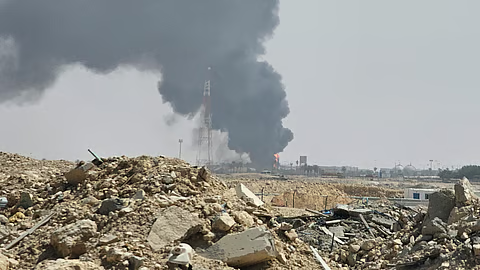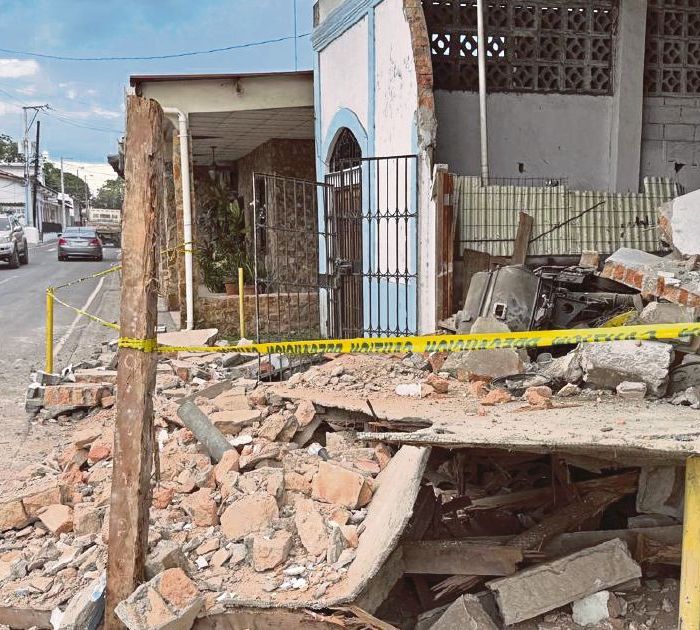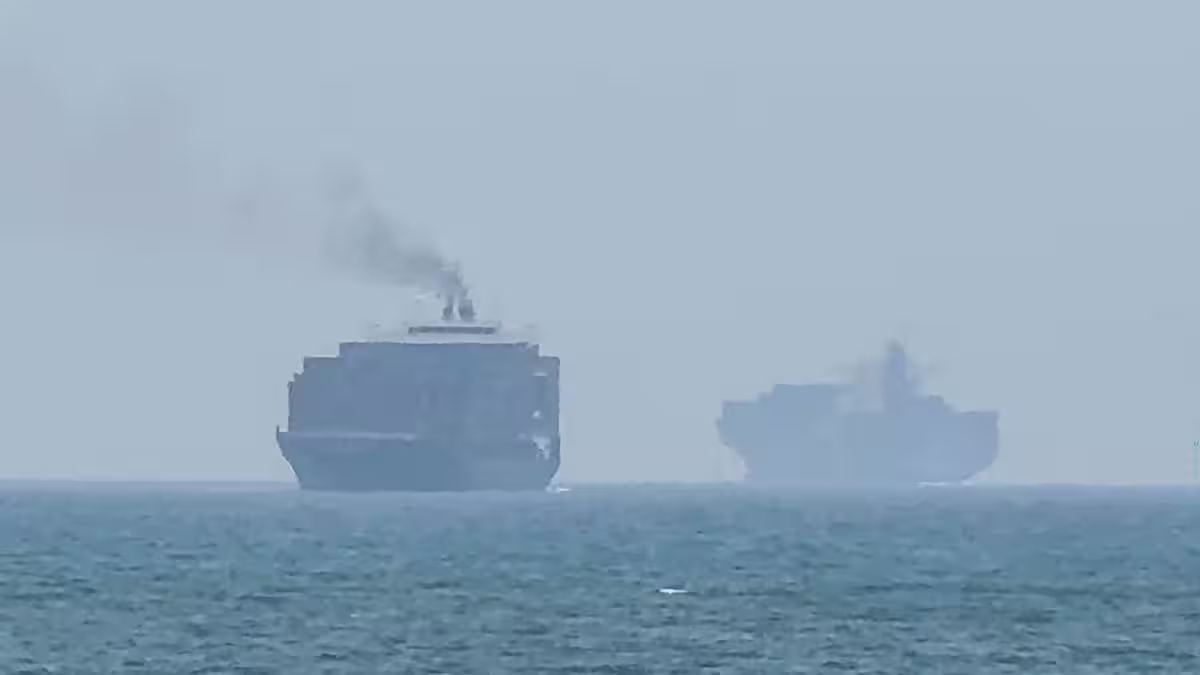
American forces have completed a second consecutive wave of strikes against Iran, and US Central Command has been unusually explicit about why.
The objective is not regime change, territory, or the nuclear program.
It is the Strait of Hormuz — and specifically, Iran’s capacity to shoot at ships passing through it.
What CENTCOM Said
In a statement posted to X, Central Command said the strikes were designed to degrade Iran’s “ability to attack civilian mariners and commercial ships freely transiting the Strait of Hormuz.”
The framing is deliberate. Not Iran’s military generally. Not its regime. Its ability to interfere with shipping.
What Was Hit
CENTCOM said American forces struck dozens of targets across multiple Iranian cities, including:
- Military air defense systems
- Radar sites
- Small boats
- Missile capabilities
- Drone capabilities
That target list reads like a systematic dismantling of the tools required to threaten vessels in a narrow waterway.
Radar finds the ships. Small boats swarm them. Missiles and drones hit them. Air defenses protect the whole apparatus from retaliation.
Remove all four, and the strait becomes difficult to close.
A New Weapon Debuts
Buried in the announcement was a genuine first.
CENTCOM confirmed that US one-way sea attack drones were used in the strikes — their initial combat deployment.
The full operation drew on precise munitions, fighter aircraft, aerial drones and naval vessels.
The introduction of sea drones is notable in context. They are, in essence, an American version of a weapon Iran and its proxies have used against shipping. Now it is being fired in the other direction.
The Immediate Trigger
The strikes did not occur in a vacuum.
Earlier Monday, a CENTCOM spokesperson told CNN that US aircraft had shot down an Iranian cruise missile and a one-way attack drone.
Within that same hour, Iran fired at a commercial ship in the Strait of Hormuz.
The pattern is now well established: Iran attacks a vessel, the US strikes Iranian military assets, and the cycle repeats.
What Iran Reported
Iranian state media described several explosions in cities including Sirik and Bandar Abbas shortly after midnight Monday.
Bandar Abbas is significant. It sits directly on the strait and hosts major Iranian naval facilities — precisely the infrastructure required to harass shipping.
Iranian outlets reported one person killed and four injured in the strikes.
Sunday’s Larger Operation
Monday’s wave followed an even bigger one the previous day.
According to CENTCOM, US forces struck approximately 140 Iranian military targets in the early hours of Sunday, using precise munitions against:
- Missile and drone sites
- Ammunition storage facilities
- Communications infrastructure
- Coastal surveillance locations
CENTCOM said those strikes were carried out for the purpose of “holding Iranian forces accountable” for an attack on a commercial vessel transiting the strait.
Coastal surveillance is the quiet giveaway. You cannot target a ship you cannot see. Blind the surveillance network, and the missiles have nothing to aim at.
The Stated Mission
CENTCOM’s language on the ultimate goal has been consistent.
US forces, it said, are postured and prepared to ensure the Strait of Hormuz remains open for commercial shipping — “despite Iran’s continued unwarranted aggression, harassment, threats, and arbitrary declarations.”
That last phrase, “arbitrary declarations,” is a direct swipe at Iran’s insistence that it can unilaterally close or regulate the waterway.
Why This Is the Battlefield
The strait is the entire game.
Roughly a fifth of globally traded oil and gas has historically moved through it. Iran’s ability to threaten that flow constitutes its most powerful non-nuclear leverage.
Washington’s calculation appears to be that this leverage must be physically removed rather than negotiated away — that as long as Iran retains the capability to strike ships, it will use that capability as a bargaining chip.
Hence the target list. Hence the radar sites, the small boats, the coastal surveillance.
What Comes Next
Two nights. Roughly 140 targets on the first, dozens more on the second. A new class of American weapon introduced. Explosions in a major Iranian port city.
And still, ships are being fired upon.
The open question is whether military degradation can actually reopen the strait — or whether it simply guarantees that Iran keeps trying, with whatever capability remains.
Author