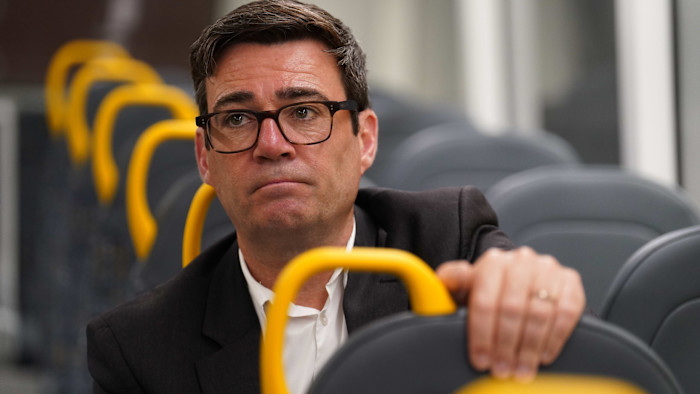
The bus fare cap in England will drop back to £2 from January, new Prime Minister Andy Burnham has announced, reversing a rise that took it to £3 at the start of last year.
The policy is expected to cost more than £500m. The government says it will help with the cost of living and give people the breathing space they need.
It is Burnham’s second cost-of-living announcement in as many days.
Why Now
Burnham framed the decision around access rather than economics.
“Lower fares will help people get to where they need to,” he said, describing affordable transport links as essential.
Transport Secretary Heidi Alexander told BBC Radio 4’s Today programme the measure offers people a little bit of hope at a moment when many are struggling with rising costs, particularly after fuel prices spiked as a result of the US-Iran war.
She was candid about its limits, acknowledging the cap is not the whole solution.
What Changes and Where
The £2 cap takes effect from January on participating buses outside London. London operates separately, with a non-discounted single journey currently costing £1.75.
Under Sir Keir Starmer’s Labour government, the England-wide cap rose to £3 at the start of last year, though Liverpool and Manchester held their fares at £2 throughout.
The government says returning to £2 should particularly benefit passengers in rural and coastal areas, where single fares tend to run higher.
The Problem Cheaper Fares Don’t Fix
Transport campaigners welcomed the cap but pointed to a more fundamental issue: in many rural areas, the buses simply aren’t there.
The Campaign for Better Transport noted that rural regions continue to suffer from fewer routes and reduced services, and have been hit harder by a decade of council cutbacks than urban areas.
The scale of that decline is significant. Services measured by vehicle miles fell 18% between 2019 and 2024, according to the County Councils Network, which represents 39 unitary and county councils across England.
“What we need to see is the replacing of those lost services which have particularly affected those in rural areas,” said Michael Solomon Williams of the Campaign for Better Transport.
The point is straightforward. A £2 fare on a route that no longer runs saves nobody anything.
The Rest of the UK
Arrangements vary across the other nations.
- Scotland and Wales will receive equivalent funding to England for the scheme
- Northern Ireland will get a small amount of additional money for public services, though ministers are not required to spend it on transport, and the exact figure won’t be known until the autumn budget
Scotland already piloted a £2 cap across the Highlands and Islands for a year. The Scottish government says it is considering legislation for a nationwide £2 cap before the end of this parliament.
Wales has taken a different route, already limiting single fares to £1 for under-21s.
What the Original Cap Achieved
The £2 cap first appeared in 2023, intended both as cost-of-living support and as a way to draw passengers back after the pandemic.
The Office for National Statistics credited it with helping reduce inflation that year.
An evaluation covering the first ten months found the scheme accounted for 5 percentage points of a 13% rise in bus usage over that period, with lower-income passengers seeing the greatest financial benefit.
The value-for-money assessment was less flattering. Savings varied considerably depending on what local fares had cost before the cap arrived, meaning the benefit was uneven across the country.
Spending came in under budget, at £210m against an allocation of £245m.
Passenger Numbers Still Recovering
Whatever the cap has done for demand, bus travel has not returned to where it was.
By March 2025, 1.9 billion journeys were made on local buses in England outside London, roughly 93% of pre-pandemic levels.
That gap of about 7% has proven stubborn, and it reflects broader changes in commuting patterns rather than fare levels alone.
The Funding Question
Shadow Chancellor Mel Stride challenged the government over where the money is coming from.
“That is a worrying sign, we need to have a government which is on top of the public finances, not one that is making lots of spending commitments without explaining where the money is going to come from,” he told BBC Breakfast.
The government’s answer arrived with the announcement: £454m reallocated from the Department for Energy Security and Net Zero, on top of funds the Department for Transport had already set aside for buses.
Alexander explained the mechanism. The money had been earmarked in DESN’s budget for international climate projects.
“And so instead of putting that money out as grants we are going to be issuing loans and so that money comes back in,” she said.
That’s a meaningful shift in approach. Converting climate grants into loans changes the nature of Britain’s international climate commitments, and it will likely attract scrutiny from a different direction than Stride’s.
A Pattern Taking Shape
Tuesday brought a VAT cut on household electricity bills, due later this year. Wednesday brought the bus fare cap.
At his first cabinet meeting on Tuesday, Burnham told ministers he wanted to lead what he called a cost-of-living government, giving people a sense that help is coming on costs.
The strategy is visible enough: a sequence of targeted, immediately understandable reductions in everyday expenses.
Whether It Adds Up
Two questions will determine how this is judged.
The first is whether the savings are large enough to register. A £1 reduction per single journey matters most to frequent bus users on lower incomes, which is precisely the group the previous evaluation found benefited most. For occasional riders, it will barely be noticed.
The second is whether cheaper fares can compensate for thinner service. The 18% decline in vehicle miles since 2019 is the deeper problem, and no fare cap addresses it.
Burnham has bought visibility and goodwill quickly. Making it durable will require answering the harder question of what happens on routes where the buses stopped running years ago.
Author
-
Lucienne Albrecht is Luxe Chronicle’s wealth and lifestyle editor, celebrated for her elegant perspective on finance, legacy, and global luxury culture. With a flair for blending sophistication with insight, she brings a distinctly feminine voice to the world of high society and wealth.