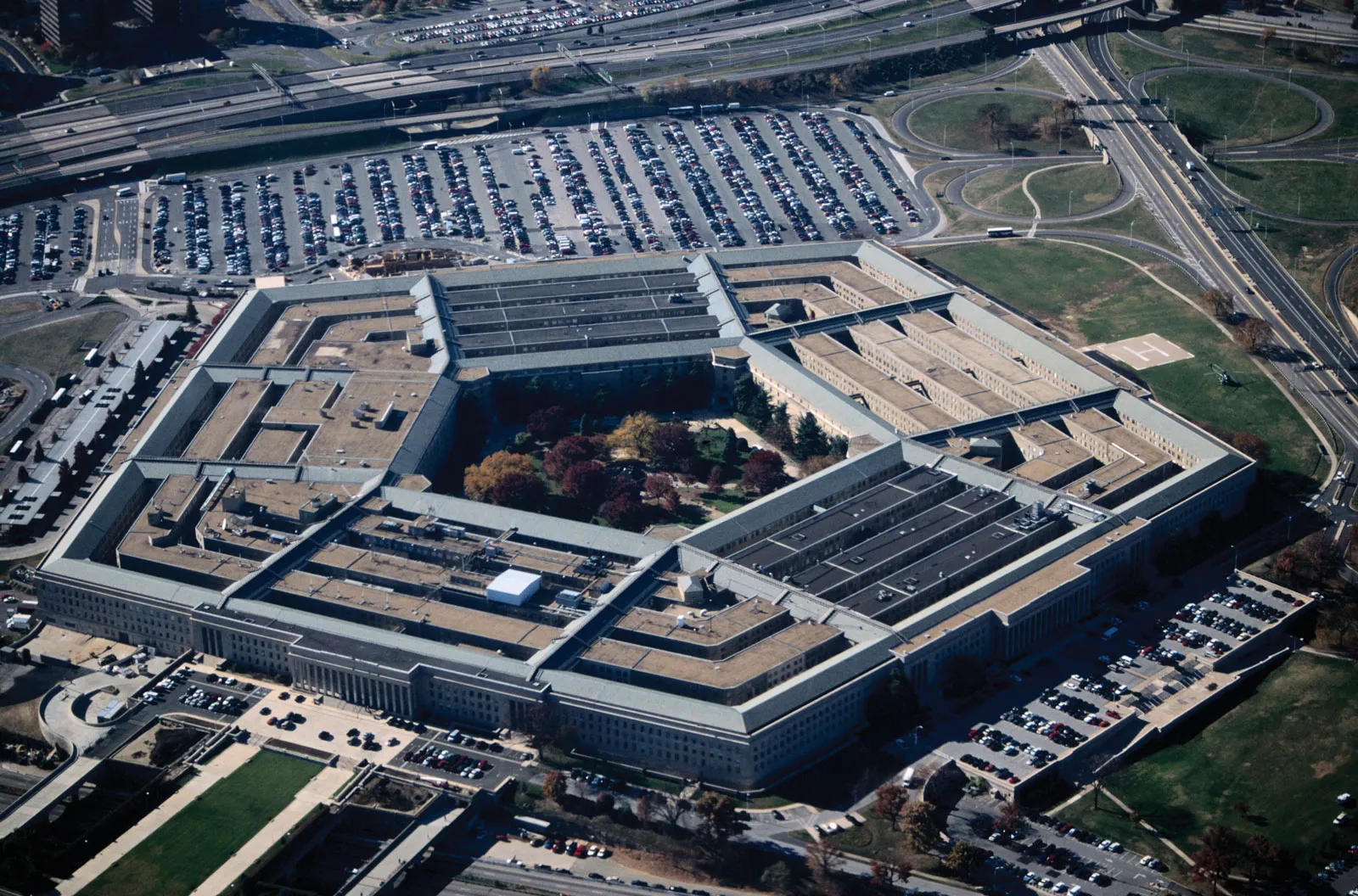
The dispute over Pentagon Iran war casualties has escalated from a reporting complaint into a broader accusation: that the defense establishment is deliberately keeping Americans in the dark about what the conflict is costing in blood.
Leon Panetta, who ran both the CIA and the Pentagon in earlier administrations, put it bluntly in an interview with the Guardian. He described the department’s handling of casualty information as shameful, arguing that officials are making a conscious choice to withhold facts the public has every right to know. Sharing the burden of a war, he said, means sharing the truth about it.
Two and a Half Months Without a Briefing
The most concrete measure of the change is simple arithmetic. The defense department has not held a press briefing in roughly ten weeks.
Panetta, who convened weekly sessions with reporters during the Afghanistan and Iraq campaigns, singled out the refusal to say how many personnel have been wounded in Iranian missile and bomb strikes on American installations. Critics have gone further, alleging an intentional effort to obscure the human cost of a conflict Trump chose to enter, with an eye toward November’s midterm elections.
The Numbers That Are Public
What has emerged paints a difficult picture.
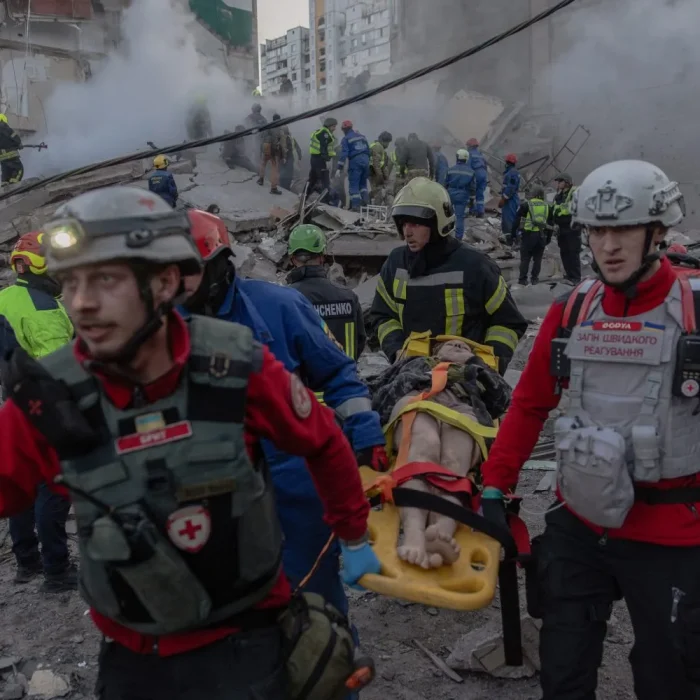
The American death toll in the Iran conflict climbed to 18 last weekend. Roughly 430 service members have been wounded. On Monday the department stated that 100 troops had been hurt since July 7, adding that 96% had returned to duty.
Those figures did not arrive voluntarily. According to reporting by the New York Times, the Pentagon initially said nothing and only acknowledged the injuries later through a social media post. Officials pushed back hard, calling the article baseless and malicious, and maintaining that they are not obligated to announce injuries when personnel are expected to recover and resume their assignments.
Scrutiny sharpened again when the Times reported that the department’s own website had quietly revised the death count downward from 18 to 14. Spokesperson Sean Parnell attributed the discrepancy to a temporary data disruption.
Ned Price, a former State Department spokesperson and deputy to the U.S. ambassador to the United Nations, rejected the idea that this is ordinary friction between an administration and the press. In his view, the objective is shielding the public from a full accounting of what the war has actually cost.
How Press Access Collapsed
The current standoff did not appear overnight. It followed a steady sequence of restrictions stretching back to Trump’s return to office in January 2025, after the department was rebranded as the Department of War.
Early on, established outlets including the New York Times, NPR and Politico lost workspaces they had occupied for years, replaced by friendlier organizations such as Breitbart, One America News Network and the New York Post. By May of that year, reporters found their movement through most of the building curtailed.
The breaking point came in October, when the majority of news organizations surrendered their credentials and walked out rather than accept rules exposing them to expulsion for reporting material — classified or not — that Defense Secretary Pete Hegseth had not cleared. In December, the department staged a three-day welcome event for a newly accredited press corps that included sympathetic podcasters and online influencers.
The tightening continued this year. A March policy required journalists on Pentagon grounds to be escorted by authorized staff. In June, the press office itself was declared classified space and closed to reporters, on the grounds that speechwriters who handle sensitive material work there.
Clayton Weimers of Reporters Without Borders said calling this the most media-hostile Pentagon in recent memory would not be an overstatement. Mark Schoeff, who leads the National Press Club, described the restrictions as unlike anything he has witnessed across 34 years covering Washington, noting that even during the Gulf War and Afghanistan the department never attempted to close access this aggressively.
From Bravado to Vacuum
The silence is especially striking given how the war began.
In its opening weeks, Hegseth was everywhere, delivering combative briefings in which he boasted about dismantling Iranian forces without mercy and restoring America as a nation of warriors. Photojournalists were later barred after unflattering images circulated. At one appearance, he likened reporters to Pharisees and dismissed coverage of the conflict as an unending stream of garbage.
That confidence has evaporated. With no briefings since May, Hegseth’s most recent public initiative was a testosterone deficiency screening program for troops, framed as helping personnel perform at their peak — a subject shift that struck many observers as telling.
Joel Rubin, a former deputy assistant secretary of state, offered a straightforward read: when a government cannot articulate what is happening on the ground, it usually means it is uneasy about what is happening on the ground and how that will land politically.
The Full Toll May Be Larger
Price argued that the death figure is only the visible portion. Hundreds have been physically harmed — by one estimate around 500 service members — and he suggested the administration calculates that pairing that reality with rising gas prices and inflation would sink an already unpopular war further.
Janessa Goldbeck, who heads the Vet Voice Foundation, questioned the reassurance embedded in the 96% return-to-duty statistic. Modern combat injuries, particularly blast-related ones, frequently surface months or years afterward. Her suspicion is that the delay in reporting is about managing the political narrative ahead of a national election.
Steven Cash, a former intelligence officer who directs the Steady State, framed the posture in starker terms, saying the leadership does not regard voters, Congress or journalists as stakeholders deserving information, but as opponents.
The Pentagon’s Answer
Parnell rejects the accusation outright. In a statement, he said the department and Central Command have consistently delivered comprehensive, real-time accounts of American strikes and operations in Iran, and that both Trump and Hegseth communicate directly with the public online, offering unfiltered insight into objectives and decisions.
Hegseth did face lawmakers this week, appearing before a Senate appropriations committee to defend a war that has already consumed $37.5 billion. The session turned hostile. When Democratic Senator Gary Peters labeled the effort a failure, Hegseth shot back that shame belonged to anyone calling it a quagmire. Peters answered that the secretary himself was the failure, lacking both a strategy and a plan to win.
Panetta’s closing prediction was that withholding information rarely works. Officials are tiptoeing past the graveyard, he said, hoping silence limits controversy. Instead, they are daring reporters to dig — and in his experience, buried truths surface eventually.
Author
-
Lucienne Albrecht is Luxe Chronicle’s wealth and lifestyle editor, celebrated for her elegant perspective on finance, legacy, and global luxury culture. With a flair for blending sophistication with insight, she brings a distinctly feminine voice to the world of high society and wealth.