West Bank mosque arson attacks struck two Palestinian villages in the early hours of Sunday, part of a wave of settler violence that followed a deadly confrontation near Nablus two days earlier. Palestinian officials said buildings were set alight and walls covered in Hebrew graffiti across several locations.
The attacks came after Friday’s incident in Tal, southwest of Nablus, in which four Palestinians and two Israeli soldiers were killed. One of the soldiers had served as a security coordinator for a nearby settlement.
How Friday Unfolded
Accounts of that confrontation differ sharply, though certain elements are agreed.
A crowd of Israeli settlers, some of them armed, approached the village. Residents came out of their homes to confront them, and a standoff developed. Video from the scene appears to show one Palestinian grabbing a settler’s weapon.
Palestinian local authorities say the settlers provoked the violence. The Israeli military stated that shots were fired by both sides.
The episode is the latest in a series of clashes involving settlers this year. Figures compiled by the United Nations and the Palestinian Authority indicate dozens of Palestinians have been killed and hundreds wounded in such incidents.
A Mosque Ready to Open
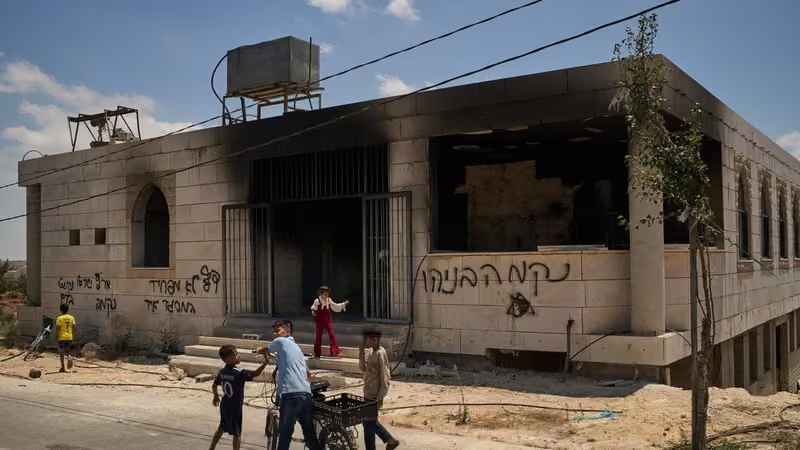
In Qusra, southeast of Nablus, village council head Abdel Azim Wadi said settlers set fire to a newly completed mosque before dawn on Sunday.
Speaking to Reuters by telephone, he described a building that had reached its final stage and was prepared to receive worshippers, already furnished with couches. It was burned, and Hebrew slogans were sprayed across its walls.
Among the graffiti were the words “Jewish revenge” and the name of one of the Israelis killed near Tal.
A second attempted arson occurred near Kour, southeast of Tulkarm. Farid Jiyousi, a member of the village council there, said three settlers tried to set the mosque alight at dawn but worshippers extinguished the flames before they reached the main prayer area.
He noted that it was the first attack his village had experienced, and said the assailants had also left Hebrew graffiti on the walls.
Palestinian officials reported a further incident in Kafr Malik, near Ramallah, where settlers attacked workers at a stone-cutting facility.
The Palestinian Authority Responds
The Palestinian Authority, which administers the section of the West Bank where Friday’s shootings occurred, framed the weekend’s events as part of a broader campaign rather than isolated retaliation.
In a statement posted on X, the Palestinian prime minister’s office said state-backed settler terrorism was intensifying into systematic pogroms across the occupied territory.
Israel’s Position
The Israeli military said troops dispatched to Qusra, which sits near several large settlements, located graffiti and evidence of arson and were searching for suspects. Police were to be sent to gather evidence.
In a statement, the military said security forces strongly condemn incidents of this kind, including damage to religious sites, and would continue acting decisively to preserve security and public order in the area.
An Israeli military official framed settler violence as an operational burden, saying it pulls attention away from the force’s primary defense and counter-terrorism responsibilities in an already complex environment.
The same official said troops had arrested more than 130 people over the weekend, describing them as including weapons traffickers, Hamas operatives, individuals involved in incitement, and people planning imminent attacks.
Separately, the Palestinian Prisoners Club, which tracks detentions, reported that Israeli forces arrested around 60 Palestinians from Saturday night onward as part of the security clampdown.
Politics Behind the Crackdown
Prime Minister Benjamin Netanyahu, facing an election in October, ordered a major security operation in response to what he characterized as terrorism against Israeli civilians. Units in the West Bank were reinforced and leave was cancelled.
The political context shapes how the response is being read. Members of his government, including far-right Finance Minister Bezalel Smotrich, have publicly called for annexation of the West Bank, which Israel captured in the 1967 war.
That creates an awkward dynamic. The same administration condemning attacks on mosques includes ministers advocating permanent Israeli sovereignty over the territory where those attacks occurred.
The Legal and Political Backdrop
Most governments and United Nations bodies regard Israeli settlements in the West Bank as illegal under international law. Israel rejects that assessment.
Palestinians seek the territory as the foundation of a future independent state. Israel points to biblical and historical connections to the land. Netanyahu’s government, which opposes Palestinian statehood, has expanded settlement construction at a rapid pace.
Those competing claims are not abstractions in villages like Qusra and Kour. They translate directly into disputes over land, access, water and movement — and into the proximity of armed settler communities to Palestinian towns.
A Papal Appeal
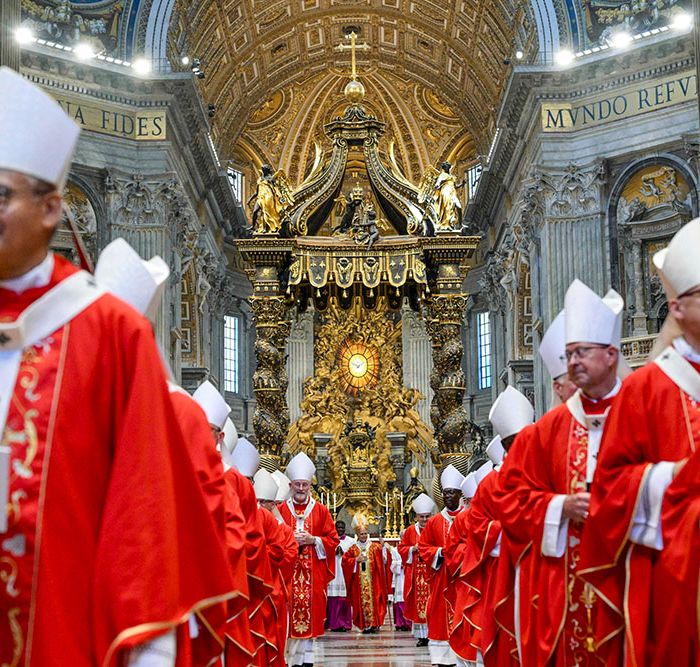
Pope Leo addressed the situation on Sunday, saying he was following the deteriorating violence with deep concern.
He called for negotiations aimed at reaching what he described as a just political solution, and urged rejection of actions that violate the respect and status quo of holy sites belonging to any religious faith.
That last point speaks directly to the weekend’s attacks. Targeting places of worship carries a symbolic weight beyond the physical damage, and it tends to inflame tensions well beyond the villages involved.
Where This Leaves Things
The pattern of the past several days is one that has repeated across the West Bank with increasing frequency: a violent incident, settler reprisals against nearby Palestinian communities, a large-scale military operation involving mass arrests, and condemnations that do not appear to interrupt the cycle.
Israeli forces say they are pursuing those responsible for both the Tal shootings and the arson attacks. Palestinian officials say the arson is part of a systematic campaign that enforcement has consistently failed to deter.
With an Israeli election approaching in October and annexation openly advocated within the governing coalition, the pressures driving the violence show no sign of easing.
Author
-
Lucienne Albrecht is Luxe Chronicle’s wealth and lifestyle editor, celebrated for her elegant perspective on finance, legacy, and global luxury culture. With a flair for blending sophistication with insight, she brings a distinctly feminine voice to the world of high society and wealth.