78 Percent and Falling: What the New CNN Poll Says About Trump’s Standing in His Own Party
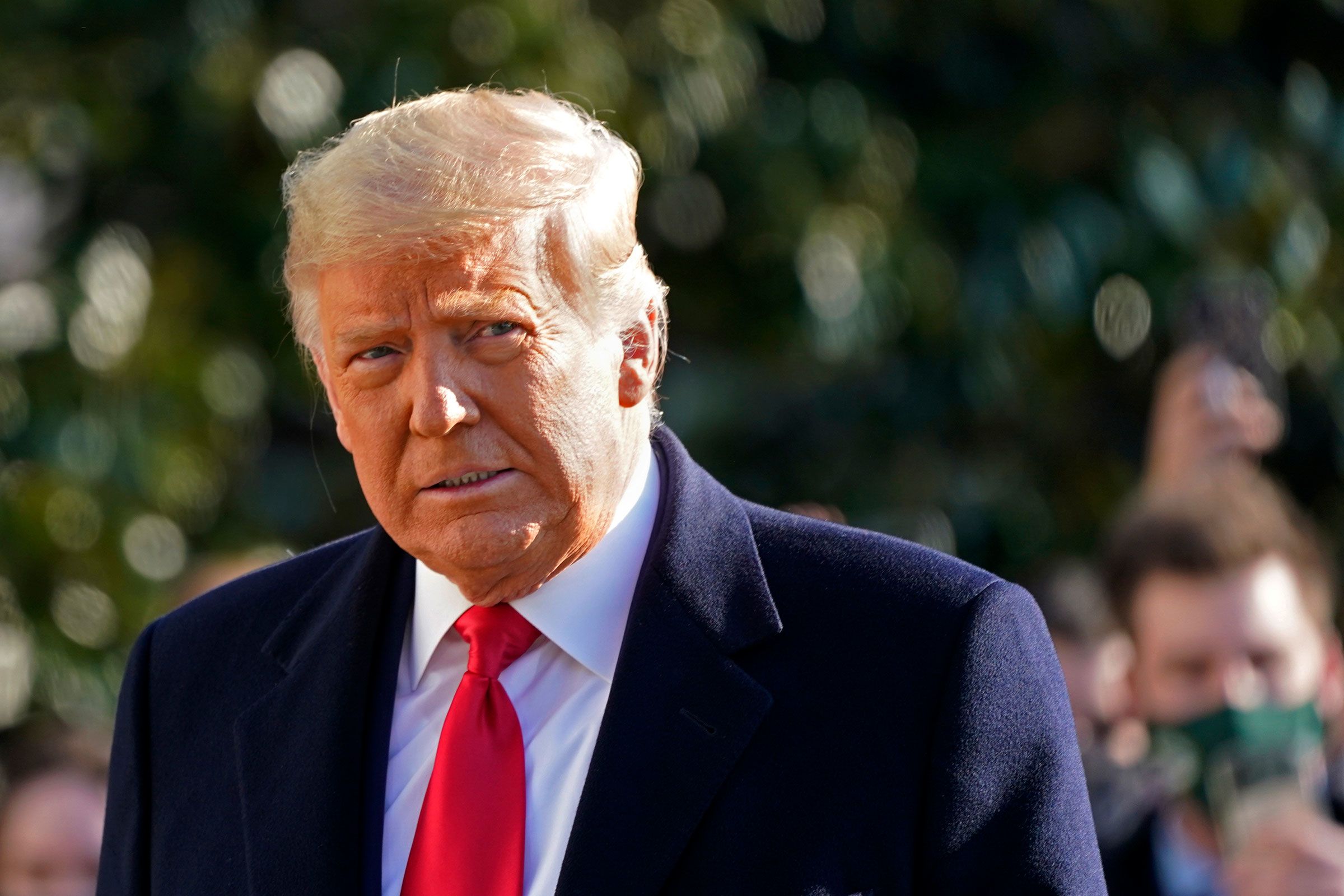
The Trump approval rating that has held remarkably steady inside the Republican Party for most of a decade has finally moved. A CNN survey conducted by SSRS between July 23 and 27 puts support for the president among Republicans at 78 percent — the lowest figure recorded for him within his own party.
That number still represents a comfortable majority. But for a politician whose base has been defined by its durability, an erosion of ten points since February 2025, when the same pollster had him at 88 percent among Republicans, is the kind of shift that gets noticed in party strategy meetings.
The Broader Numbers
The overall picture is tougher. The poll puts the president’s approval at 34 percent, with 66 percent disapproving — a net rating of minus 32, the widest gap recorded across either of his terms.
The 34 percent figure matches the low point he reached in the same survey at the end of his first term, in the days following January 6, 2021.
Two other measures underscore the intensity behind the topline. A record-low 15 percent say they strongly approve of his performance, while half of respondents say they strongly disapprove — also a high across his time in office.
Enthusiasm Inside the Party
Perhaps the most telling Republican number is not approval at all. Only 19 percent of Republicans describe themselves as enthusiastic about the remaining two years of the administration, down from 38 percent last spring.
Approval and enthusiasm measure different things. A voter can approve of a president in the abstract while feeling no particular energy about turning out for him or his allies. In a midterm cycle, the second number often matters more than the first.
Two Issues Doing the Damage
The survey points fairly clearly at what is driving the movement: the cost of living and the war with Iran.
On inflation, 25 percent of Americans approve of the president’s handling. On gasoline prices, the figure drops to 21 percent.
Republicans are noticeably split rather than unified on both. Fifty-seven percent approve of his approach to inflation while 43 percent disapprove. On fuel prices, the party actually tips negative, with 48 percent approving and 52 percent disapproving.
The underlying economics are not abstract. Annual inflation registered 3.5 percent in June according to the Consumer Price Index, up from 2.8 percent in February 2025. The national average price for a gallon of gasoline topped four dollars on Wednesday, per AAA figures. When American and Israeli strikes on Iran began in late February, it sat just below three dollars.
The Strait of Hormuz, the narrow passage through which a substantial share of the world’s seaborne oil moves, has remained constricted throughout the conflict. That single fact has done more to shape fuel prices than any domestic policy decision.
The War
Approval of the president’s handling of the Iran war stands at 28 percent overall. Among Republicans it holds at 66 percent — lower than his general party approval, suggesting the conflict is a specific drag rather than a general one.
Roughly two-thirds of Americans told pollsters they believe his military decisions regarding Iran have hurt the country. A similar share said his policies have worsened economic conditions, with 22 percent saying they improved things and 13 percent reporting no effect.
The war entered its sixth month this week. A ceasefire between Washington and Tehran collapsed earlier in July, and American forces carried out another round of strikes Wednesday night following what the military described as an attempted Iranian attack on US positions.
A Question of Attention
One finding cuts across issue categories. A record 73 percent of adults said the president has not paid enough attention to the country’s most important problems, against 27 percent who said his priorities have been right.
About three-quarters said he is out of touch with the difficulties ordinary Americans face day to day.
That is a different complaint than disagreeing with a policy. It suggests a perception gap — voters feeling that their concerns and the administration’s focus have drifted apart.
Are Americans Simply Tuning Out?
Statistician Nate Silver offered a related theory on X over the weekend, observing that apart from Iran, most Trump-related news this summer has been either tedious or unserious, and wondering aloud whether the country might be moving past treating him as the central figure in American politics.
It is speculation rather than data, and reasonable people can dismiss it. But it points to something polls capture poorly: fatigue is not the same as disapproval, and a decline in attention can affect turnout as much as a decline in support.
The Necessary Caveats
A few things are worth keeping in mind before treating these numbers as settled fact.
- This is one survey. Different pollsters use different methods and screens, and results across firms have varied considerably throughout both of his terms.
- Subgroup figures — Republicans, specific issue questions — carry larger margins of error than the topline, so a party number should be read as a range rather than a precise point.
- Approval ratings driven by fuel prices are unusually reversible. If the shipping lane reopens and prices fall, the political effect could unwind quickly.
- Presidents routinely sag in the middle stretch of a term and recover.
The counterargument from the president’s supporters would be straightforward: roughly four in five Republicans still back him, wartime economies are historically punishing for incumbents, and the underlying causes here are external rather than self-inflicted.
Why It Matters Now
The timing is what gives these figures weight. With midterm elections approaching, Republican candidates have to decide how closely to run alongside the administration, and a 19 percent enthusiasm figure inside the party is a harder problem to solve than a soft approval number.
For the White House, the path back likely runs through the Strait of Hormuz — which is to say, through a conflict whose resolution is not entirely under American control.
Author
-
Lucienne Albrecht is Luxe Chronicle’s wealth and lifestyle editor, celebrated for her elegant perspective on finance, legacy, and global luxury culture. With a flair for blending sophistication with insight, she brings a distinctly feminine voice to the world of high society and wealth.