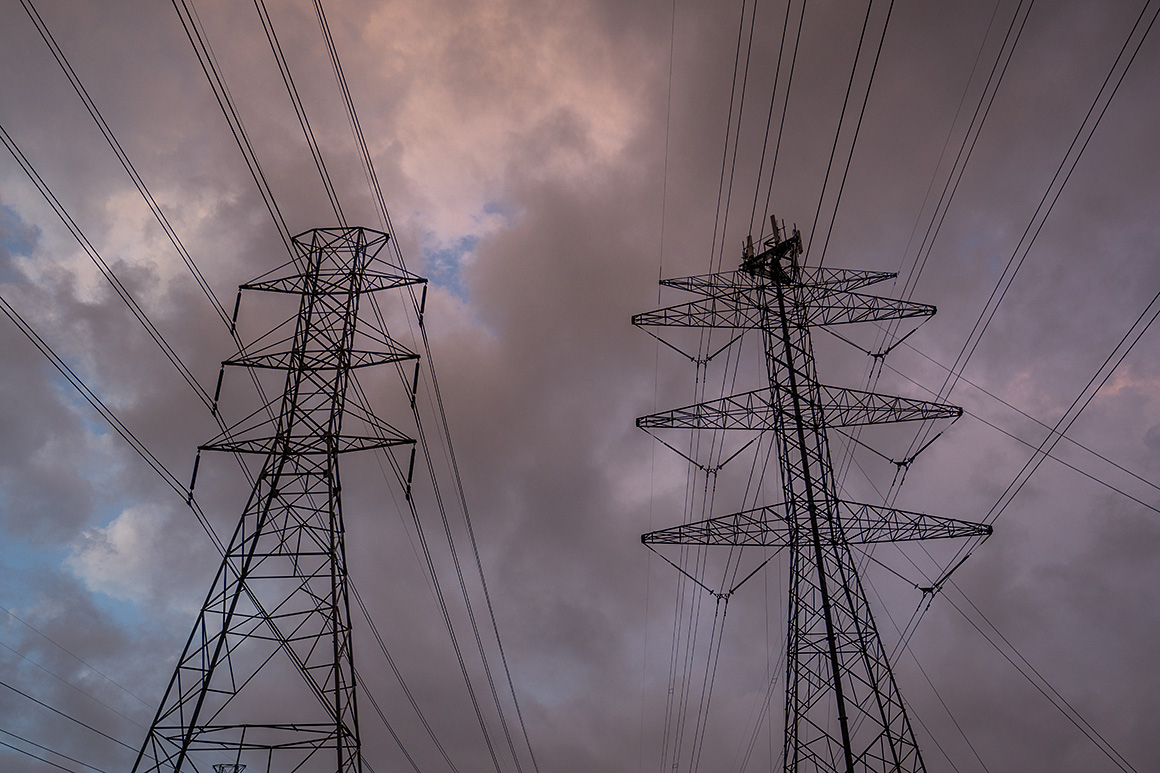
Texas transmission lines meant to carry electricity from the eastern half of the state into the Permian Basin have run into fierce opposition, and now the lawmakers who authorised the framework are asking regulators to stop it.
State Senator Charles Schwertner, a Georgetown Republican who chairs the Senate Committee on Business and Commerce, wrote on Friday that the Public Utility Commission of Texas should reject the pending applications outright. He indicated the Legislature would revisit the approval process, which it established in 2023, when members return for the 90th session next year.
In his letter, Schwertner argued that the concerns raised justify a full rebuild of the process before any application moves forward.
Patrick Adds His Weight
Lieutenant Governor Dan Patrick endorsed the position the same day in a post on X. His framing was careful: he accepts that the lines are needed, but rejects the idea that they should be built at the expense of private property rights.
Referring to a legislative hearing held earlier in the week, Patrick said testimony had made plain that the commission’s current method for proposing and approving transmission projects is broken and requires reform. If the lines must be built, and he acknowledged many believe they must, then the approval mechanism has to serve two purposes rather than one, strengthening the grid while also protecting landowners and communities.
The Hearing That Changed the Politics
The catalyst was a fifteen-hour hearing on the Permian Basin Reliability Plan, the project designed by the Electric Reliability Council of Texas.
More than a hundred people testified. At one point country singer Tanya Tucker began singing before the panel. The recurring complaint was procedural: residents said neither the utilities nor the administrative process gave them adequate notice about what was being planned across their land.
What Is Actually Proposed
The plan calls for three 765kv transmission lines running from East Texas to West Texas, carrying power to meet demand from the oil and gas sector.
Key details:
They would be the largest transmission lines ever constructed in Texas
The estimated cost sits near 33 billion dollars
That cost falls to ratepayers
Routes would cross several thousand acres of private property
Central Texas has emerged as a particular flashpoint, where proposed corridors pass through Hill Country terrain cut by numerous rivers.
Landowners Organise
Jada Jo Smith, who founded and leads the Hill Country Preservation Coalition, described joining hundreds of property owners who waited through the entire day to speak at the Capitol.
She said families holding land across generations and recent buyers alike delivered an identical verdict, calling the lines misguided, the routing options poor and the overall project a threat to the character of the state. Her group is asking the commission to deny the applications as filed.
The Utility Commission did not respond to requests for comment before publication.
Industry Splits on Timing
The response from the electricity sector has not been uniform.
Mark Bell, president of the Association of Electric Companies of Texas, said his organisation supports additional review of the proposed routes. He acknowledged that the existing routing procedure has proven inadequate for projects covering this much geography, and committed to continued engagement with affected landowners, communities and legislative leaders.
Oncor Electric, which would construct much of the network, struck a different tone. Senior communications director Kerri Dunn said the company is reviewing the comments from state officials while stressing that regulators and grid operators had themselves emphasised during the hearing how critical timely implementation is to reliability. She said Oncor has engaged consistently with officials and landowners and intends to keep addressing concerns.
How This Got Approved in the First Place
The authorising legislation passed during the 2023 session. It directed ERCOT to design the transmission blueprint and assigned the Utility Commission responsibility for approving it.
At the time it attracted almost no opposition, clearing both chambers with near-unanimous support.
The Case for Building
The oil and gas industry has lobbied for this expansion for years, arguing that insufficient electricity is throttling production in the Permian.
Todd Staples, president of the Texas Oil and Gas Association, framed the delay as a matter of fairness. He said a serious transmission shortage in the Permian is blocking new production and noted that West Texans have spent years funding grid buildouts serving Houston, San Antonio and the Rio Grande Valley. Producers fortunate enough to have grid connections have been paying for that too, he said. Now that West Texas is finally due for investment, the message has become one of waiting, even though billions in construction happen across the state routinely.
Legislators Question What They Voted For
The hearing produced considerable discomfort among members who supported the original bill.
Senator Kevin Sparks, a Midland Republican whose district would benefit from the project, said that if property is going to be taken, every alternative must be exhausted first.
Senator Lois Kolkhorst of Brennan was more direct about the disconnect. She referenced House Bill 5066 and said she was not certain members understood what it would ultimately become, adding that her concern is simply getting it right.
Where This Leaves the Project
The Utility Commission retains the legal authority to approve the applications regardless of legislative sentiment. But rejecting an infrastructure programme championed by both the Lieutenant Governor and the relevant committee chair carries obvious political cost.
The underlying tension has not been resolved by any of this. The Permian needs power, and the corridors carrying that power have to cross somebody’s land.
Author
-
Lucienne Albrecht is Luxe Chronicle’s wealth and lifestyle editor, celebrated for her elegant perspective on finance, legacy, and global luxury culture. With a flair for blending sophistication with insight, she brings a distinctly feminine voice to the world of high society and wealth.