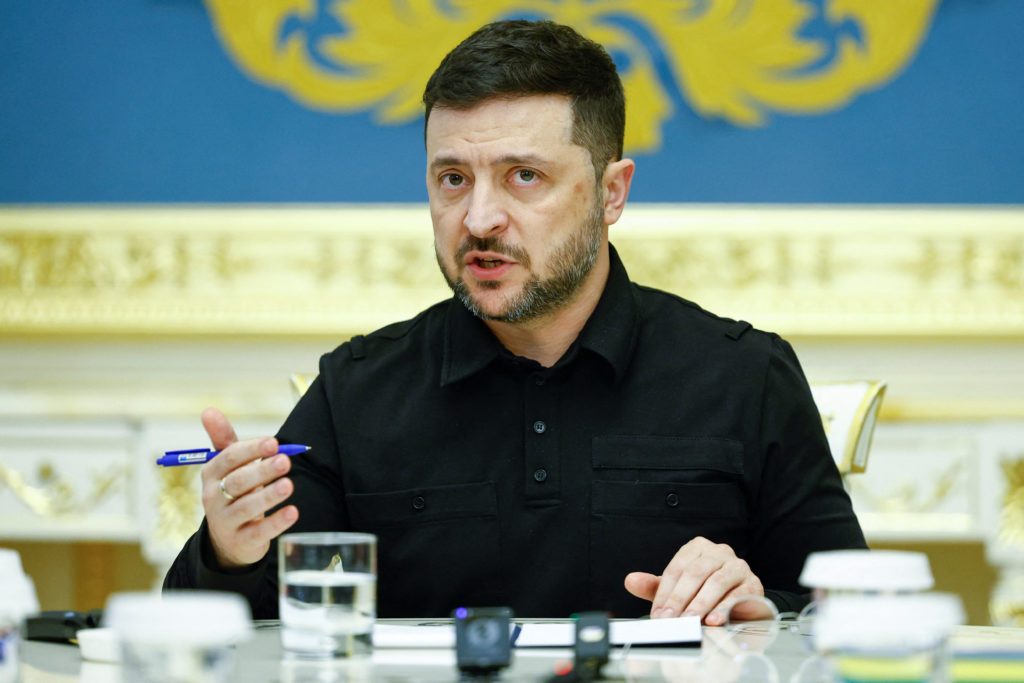
Ukraine Patriot interceptors are once again at the centre of Kyiv’s requests to Washington, following an overnight Russian missile and drone assault on the capital that killed at least ten people and wounded dozens more, according to Ukrainian officials speaking on 1 August.
But the appeal has drawn criticism from an unexpected direction, with a former government official arguing that Ukraine’s failure to protect civilians has as much to do with what is happening underground at home as with what arrives from abroad.
The President’s Request
In a video message posted on X, President Volodymyr Zelenskyy framed the issue as a matter of political will rather than availability. He noted that Patriot missiles exist in the world, and said what remained was for partners to decide to release them. Both the United States and Europe, he added, understand exactly what Ukraine requires.
His closing line was pointed: anti-ballistic missiles should be protecting people rather than sitting in storage.
Speaking to Axios on 29 July, Zelenskyy said he had asked President Trump for an emergency delivery of roughly 300 Patriot interceptors ahead of winter. He described the need as already overdue and warned that establishing domestic production could take anywhere from one to five years.
A Former Insider Pushes Back
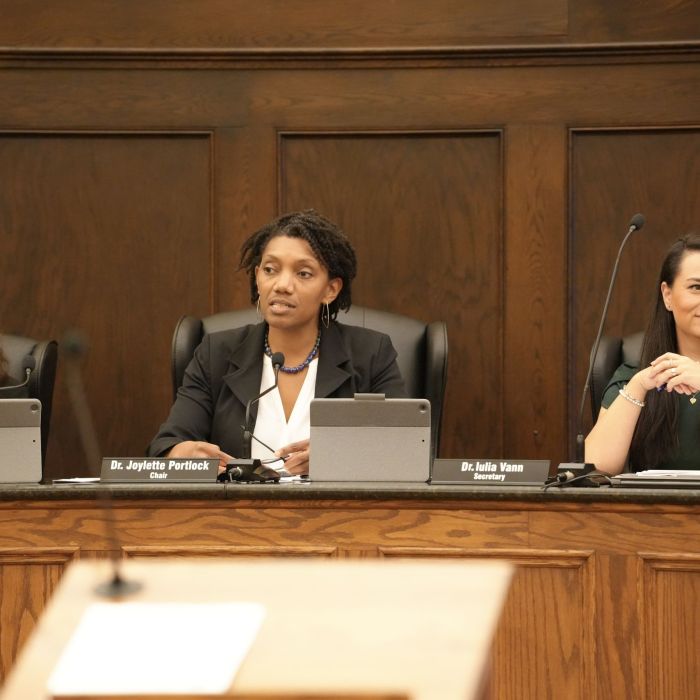
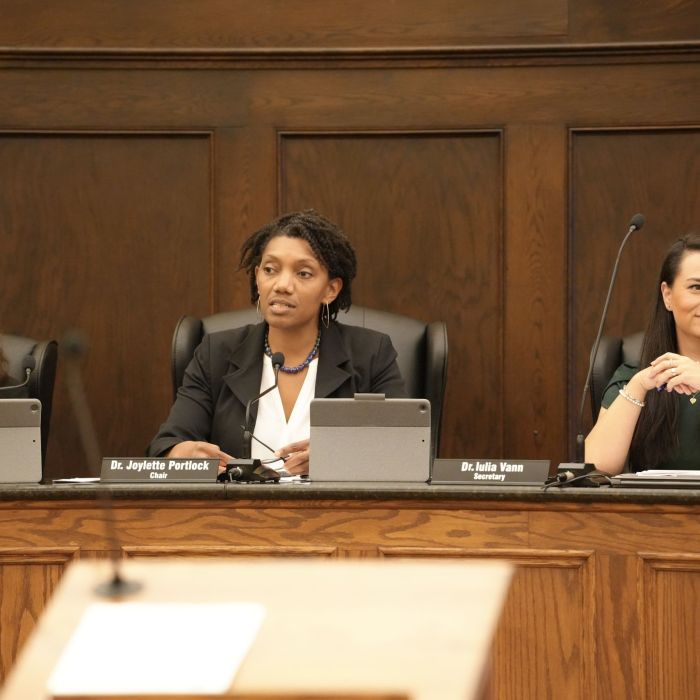
Iuliia Mendel, who previously served as a Ukrainian government spokesperson, offered a sharply different assessment.
Her objection was direct. Constantly requesting missiles, she argued, is not how a state protects its population, and she accused Zelenskyy of transferring responsibility for Ukraine’s internal shortcomings onto the United States and European partners.
She described a grim piece of dark humour circulating among Ukrainians, who joke about drawing their anti-drone curtains and closing their anti-missile windows. The phrases exist to make a point: survival currently depends more on chance than on any organised system of protection.
Scandalous situations keep occurring, she said, where people simply have no opportunity to take cover. Many still lack a shelter close enough to reach in the time available when an alert sounds.
The Numbers Behind the Criticism
The shelter problem is not anecdotal. Ukraine’s Human Rights Commissioner, Dmytro Lubinets, reported in June that his office had inspected 1,066 bomb shelters across the country and identified deficiencies in 93 percent of them.
Some were found locked. Others were flooded or otherwise unusable. Many were inaccessible to people with disabilities.
Prime Minister Sergii Koretskyi ordered a nationwide inspection of civil defence shelters on 30 July, acting after a major Russian missile attack during which civilians reportedly could not get into shelters at all.
Where the Money Went
Financially, the investment has not been trivial. Kyiv has spent billions of hryvnias on shelters since the full-scale invasion began in 2022.
Mayor Vitali Klitschko confirmed that the city allocated more than 1.1 billion hryvnias, roughly 26 million dollars, for shelter repairs in 2026. That follows approximately 7 billion hryvnias spent between 2022 and 2025.
On 10 July, he ordered an audit examining how district administrations actually used those funds. The city is now reviewing its own shelter spending alongside the national inspection.
There has been international support too. Ukraine and Finland established the Civil Protection Shelter Coalition in May 2025 to help deliver Ukraine’s civil defence strategy through 2034. At the coalition’s first meeting on 27 November, members committed more than 22 million euros, around 25 million dollars at the time, toward shelter construction and modernisation.
The gap between money spent and shelters functioning is precisely what the audits are meant to explain.
How People Are Actually Sheltering
The practical consequences described in reporting are bleak.
Some residents shelter in bathrooms or interior corridors, which offer almost nothing against a direct hit. Others descend into basements, where the risk shifts to being trapped under collapsed structure.
Individual accounts illustrate the improvisation involved. One woman said she was refused entry to a shelter because she had a dog with her. Another said she rents a hotel room specifically to gain access to its shelter facility. Considerable numbers of people sleep in underground parking garages.
The Argument Against More Missiles
Mendel’s scepticism about the Patriot request rests on a technical point as much as a political one.
She said she was unconvinced that 300 Patriot interceptors would meaningfully help, noting that Russia has substantially increased its use of guided aerial bombs across front-line regions stretching from Sumy in the north to Kherson in the south, expanding the area under its fire control.
No missile defence system, she argued, addresses that particular threat.
Her broader conclusion was that thousands of shelters fall short of basic standards while mandatory evacuations from front-line villages and towns are announced regularly. Ukraine’s civilian population, in her view, remains largely unprotected not simply because of missile shortages but because no comprehensive system exists to give people reliable places to shelter and the means to survive.
Winter Ahead
Mendel warned that the government is already signalling that the coming winter will be worse than the last, effectively preparing the public for a humanitarian emergency.
Her prediction was that without a fundamental overhaul of civil defence, Zelenskyy will continue requesting more support and more missiles while responsibility for the gap remains displaced outward.
An Unresolved Production Question
There is also disagreement over what has actually been agreed with Washington.
Appearing on Fox News’ Hannity, Zelenskyy said Trump had accepted that licences would be granted allowing Ukraine to manufacture the interceptors domestically.
Trump subsequently stated that no agreement had been reached and that the proposal was still under discussion.
That contradiction leaves the most significant element of Ukraine’s long-term air defence plan, the ability to build its own interceptors, unsettled, alongside a shelter system that is currently under investigation from top to bottom.
Author
-
Lucienne Albrecht is Luxe Chronicle’s wealth and lifestyle editor, celebrated for her elegant perspective on finance, legacy, and global luxury culture. With a flair for blending sophistication with insight, she brings a distinctly feminine voice to the world of high society and wealth.