The anti-weaponization fund rescinded by acting Attorney General Todd Blanche this week was not scrapped through a decision made alone at the Justice Department. According to multiple sources speaking with CNN, the White House was woven into the process from start to finish, tracking each round of talks and weighing in on where the administration could bend.
Who Was in the Room
Two names come up repeatedly. Chief of staff Susie Wiles and legislative affairs director James Braid were described by one official as deeply engaged in the effort. Blanche, for his part, coordinated with the West Wing throughout, feeding senior staff updates on how negotiations were moving and where they kept stalling.
That account is not universally endorsed inside the administration. A senior official pushed back on parts of it, saying it is standard practice for a chief of staff to monitor the progress of any nomination, and that the actual bargaining happened strictly between Blanche and the senators. The same official downplayed Braid’s role, saying he was not heavily involved.
The two versions do not quite line up, which is itself telling about how sensitive the episode has become.
What Trump Knew
The president was aware a deal had been reached with Senate Republicans John Cornyn and Thom Tillis, the two holdouts blocking his nominee. That arrangement did two things: it formally eliminated the roughly $1.8 billion fund, and it narrowed an earlier agreement with the IRS concerning tax investigations of Trump and his family so that it applies only to past actions.
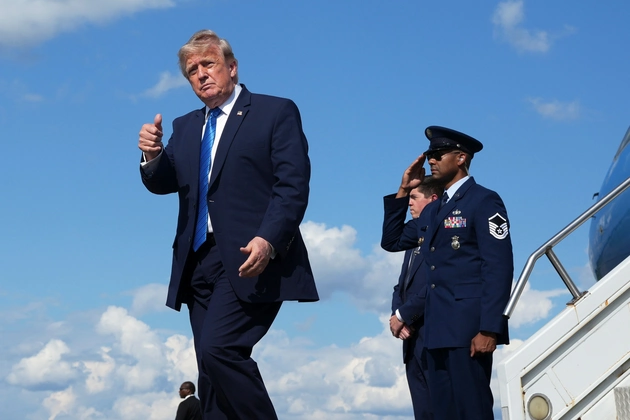
Trump was noticeably casual about the details when reporters raised it in the Oval Office on Monday. He said flatly that he had not read the agreement himself. He acknowledged a sign-off had occurred but said he did not know its contents, adding that his impression was that Blanche had simply restated positions he had already taken publicly.
Asked about the fund itself, Trump described it as a positive thing. Asked whether it might be resurrected through some other route, he said he was not aware of any such path existing.
The Frustration Behind the Deal
Getting to that point took weeks, and patience wore thin along the way.
White House officials, and the president personally, had grown irritated with Cornyn and Tillis before terms were finally settled. The reading inside the building was that the senators were using the nomination as leverage. What made it more grating, according to one official, was that the lawmakers had conceded privately that Blanche was the right person for the job.
Trump did not stop believing in the fund. He was persuaded by senior advisers that surrendering it was the only realistic way to move the nomination forward.
The calculation, as one official put it: the president wants Blanche confirmed, and he understands what that requires.
Why Blanche Wanted the Title
There is a wrinkle worth noting. Blanche did not strictly need Senate confirmation to keep running the Justice Department.
He could have continued in an acting capacity, or simply led the department as deputy attorney general through the rest of Trump’s term. Several people familiar with his thinking said he wanted the confirmed position anyway, and the White House was willing to spend capital helping him get it.
Blanche previously served as Trump’s personal attorney. He is well regarded inside the West Wing and seen there as a reliably loyal figure.
A Delicate Drafting Problem
The IRS piece created the sharpest tension. Cornyn and Tillis wanted the limits written down, and committing them to paper carried an obvious risk of provoking the president.
That left Blanche threading a narrow gap. For weeks, Justice Department staff traded language with Cornyn’s office searching for something both sides could accept.
The Texas senator delegated the negotiation to his chief legal counsel, and he emerged as the more determined skeptic as the procedural vote approached. Blanche’s team produced draft after draft of the memo. Each time, according to several people familiar with the exchanges, Cornyn’s counsel found gaps in the wording that had to be closed before she would sign off.
The Documents
Late Sunday night, Blanche posted two items on X announcing that terms had been reached.
- A signed memorandum formally rescinding the order that created the fund
- An unsigned statement laying out the IRS protections
Tillis and Cornyn confirmed their acceptance shortly afterward.
Blanche’s memo stated that the fund shall have no force or effect and said the document establishes beyond any doubt that no fund exists. He also credited good faith discussions with the senators for getting there.
Doubts About Whether It Sticks
Not everyone at the Justice Department is convinced the paperwork does what it claims.
Some attorneys inside the building have raised a specific objection: the memo carries Blanche’s signature but not those of Trump’s current personal lawyers, who would have been parties to the original settlement with the administration. Without them, the argument goes, the legal weight is uncertain.
Both senators defended the deal Monday against exactly that criticism.
Asked why he trusted Blanche not to reverse himself after confirmation, Tillis answered that he believes Blanche is an honorable man. He also acknowledged the obvious limit of any such arrangement. The president could always establish a new fund, and if that happens, Tillis said, Trump would have to explain to the public why he did not negotiate in good faith. Tillis is retiring at the end of his term.
Cornyn was more categorical about the fund itself, calling the rescission legally binding and describing it as gone. On the tax investigation piece, he was frank about the constraints. Short of the president amending the settlement agreement himself, there was no mechanism available to make it enforceable.
What they could accomplish, Cornyn said, was securing sworn testimony from Blanche and pinning the Justice Department publicly to its official reading of those provisions.
Unfinished Business
Tillis signaled the story is not closed for him. He said questions remain about how the past week unfolded, and that he intends to look closely at the people who shaped it.
For now, a fund the president still supports is formally dead, a nomination he badly wanted has cleared its biggest obstacle, and the durability of the whole arrangement rests largely on trust rather than enforceable text.
Author
-
Lucienne Albrecht is Luxe Chronicle’s wealth and lifestyle editor, celebrated for her elegant perspective on finance, legacy, and global luxury culture. With a flair for blending sophistication with insight, she brings a distinctly feminine voice to the world of high society and wealth.