Two Lives Lost in the Sky Over Utah as Crews Press On Against a 111,000-Acre Blaze
The Utah wildfire helicopter crash that killed a pilot and a crew member has cast a heavy shadow over an already punishing fire season in the American West. The two aviators died while flying support missions over rugged terrain in central Utah, and their loss has been felt across the wildland firefighting community.
Even so, the work has not stopped. Crews returned to the line, aircraft returned to the air, and the fight against a fire now measuring more than 111,000 acres continues.
What Happened Near Richfield
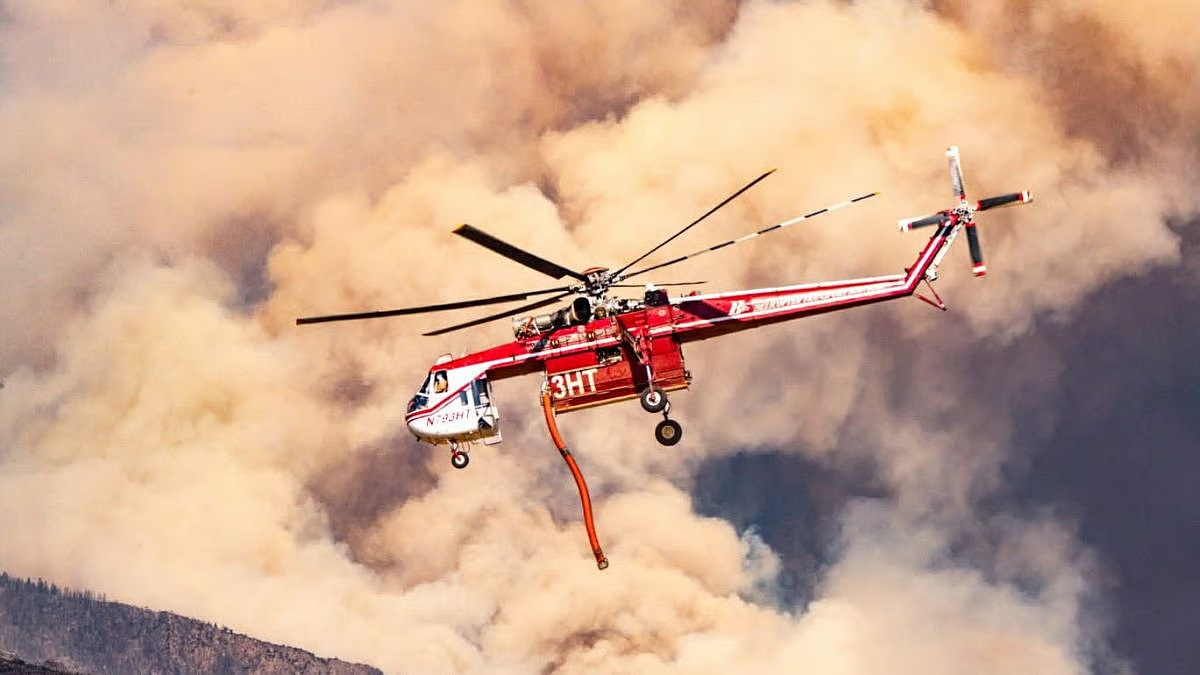
The aircraft involved was a Sikorsky S-64, better known by its nickname, the Skycrane. It is one of the heavy lifters of aerial firefighting, capable of scooping and dropping enormous volumes of water in a single run. The helicopter was operated by Helicopter Transport Services under a contract with the United States Forest Service.
It went down around 10am local time on Friday in the Three Creeks Reservoir area, southwest of Richfield, near the southeastern edge of the Widemouth 2 fire.
The National Interagency Fire Center confirmed the two deaths on Saturday, more than a full day after the crash. In its statement, the agency said both crew members suffered fatal injuries and offered condolences to their families and friends.
Recovery efforts were slowed considerably by the environment itself. According to a situation report from the fire center, extreme fire behavior combined with steep, unforgiving terrain kept recovery teams from reaching the wreckage. The bodies were finally brought out on Saturday. Their names have not yet been made public.
Evacuation orders and road closures remain in place around the area.
Crews Paused, Then Returned to the Line
Deputy incident commander Tyler Hecht described how the response unfolded in the hours after the crash. Teams took what he called a tactical pause, stepping back to regroup emotionally and operationally before heading back out.
Hecht made clear that the loss would not alter the strategy on the ground. Crews would keep fighting the fire, he said, and aircraft would keep flying in support of the firefighters working below.
That resolve is characteristic of the profession, though it does not make the grief any lighter.
Utah Governor Spencer Cox called wildland firefighting one of the most dangerous jobs anywhere in the world and asked residents across the state to hold the crew in their thoughts and prayers.
On Saturday evening, the Utah Highway Patrol organized a procession to escort the remains of the two aviators, honoring them as fallen heroes.
The Widemouth 2 Fire Keeps Growing
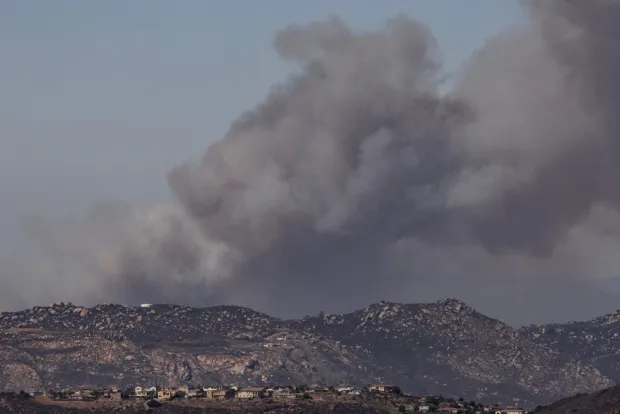
The blaze at the center of this tragedy began with a lightning strike in Fishlake National Forest on July 27. From that single ignition point, it has grown into a monster.
The Widemouth 2 fire has now consumed more than 111,000 acres, roughly 45,000 hectares, putting it on track to become the largest wildfire Utah has seen this year.
Containment stood at just 24 percent as of Saturday. Fire managers reported extreme fire behavior that included crowning, where flames climb into and race through the tops of trees, and long-range spotting, where embers are carried far ahead of the main front to start entirely new fires.
Both behaviors make a fire dangerously unpredictable. Spotting in particular can leap containment lines that crews spent days building, which is one reason the percentage has climbed slowly despite sustained effort.
Nearby communities remain under threat.
Why Aerial Firefighting Carries Such Risk
To understand why the Utah wildfire helicopter crash happened in one of the toughest possible environments, it helps to understand what these pilots do.
Firefighting aircraft operate at low altitude, often just above the treetops, in air that is turbulent, superheated, and thick with smoke. Visibility can drop to almost nothing without warning. Mountain terrain creates unpredictable updrafts and downdrafts. Pilots frequently work near steep slopes and narrow canyons where there is little room to correct a mistake.
Add long shifts, repetitive water-drop cycles, and the pressure of knowing that ground crews depend on those drops, and the margin for error becomes very thin.
Aerial support remains essential. Helicopters and air tankers slow fire spread, protect structures, and buy time for hand crews to build containment lines. But every flight carries real risk.
A Second Devastating Loss This Summer
This is not Utah’s first fatal wildfire incident of the season.
In June, three firefighters were killed while working the Knowles and Gore fires near the Colorado border. A fourth firefighter later died from injuries sustained in that same incident.
Four deaths in early summer, two more now. For a single state in a single season, the toll is staggering, and it reflects a broader pattern seen across the West in recent years as fires burn hotter, faster, and longer than historical norms.
What Residents Should Do Now
For those living near the fire zone, the guidance is straightforward but important.
Follow official evacuation orders immediately rather than waiting to see how conditions develop. Fires displaying long-range spotting can change direction and speed with little warning.
Respect road closures. They exist to keep emergency vehicles moving and to keep civilians out of areas where hot spots, weakened trees, and downed power lines remain hazardous.
Keep a go bag ready with documents, medications, chargers, and essentials. Sign up for local emergency alerts rather than relying on secondhand information.
Watch air quality closely, particularly for children, older adults, and anyone with respiratory or heart conditions.
Remembering the Cost
Fire statistics are easy to read and easy to forget. Acres burned, percentage contained, structures lost. But behind Saturday’s containment figure of 24 percent are thousands of people working brutal shifts in dangerous conditions, and two of them will not be going home.
The crews on the Widemouth 2 fire are still out there. So are the aircraft. The work continues, carried forward by people who understand exactly what it can cost.
Author