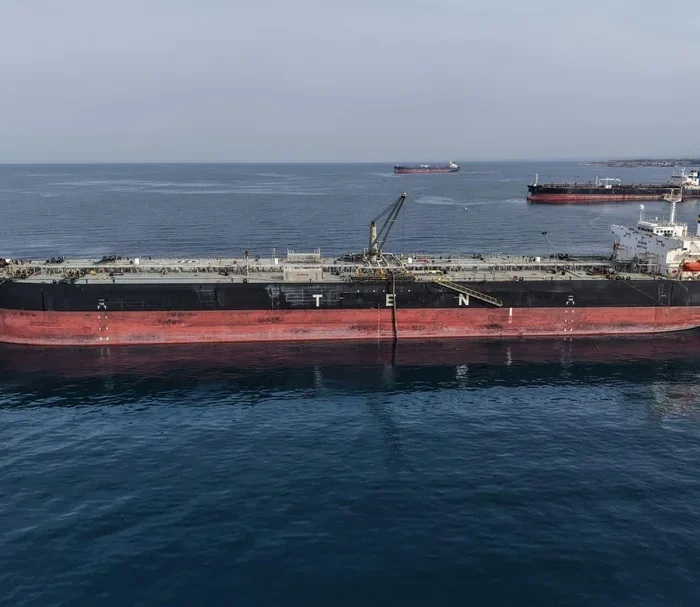
Russia petrol shortages have resurfaced across multiple regions, and this time the government has said so publicly — an unusual acknowledgment as Ukraine intensifies its campaign against Russian oil refineries.
Kyiv has spent months striking energy infrastructure with drones and missiles, targeting what it regards as the financial engine behind Moscow’s war effort.
The Official Admission
In a social media statement on Friday, the Russian government said the situation regarding fuel deliveries to service stations remains tense in several regions of the country.
It added that oil companies are taking necessary steps to increase supply to the areas most affected.
A government meeting was convened on the shortages. Deputy Prime Minister Alexander Novak, who holds the energy portfolio, has ordered monitoring of fuel prices.
A Major Refinery Down for Six Months
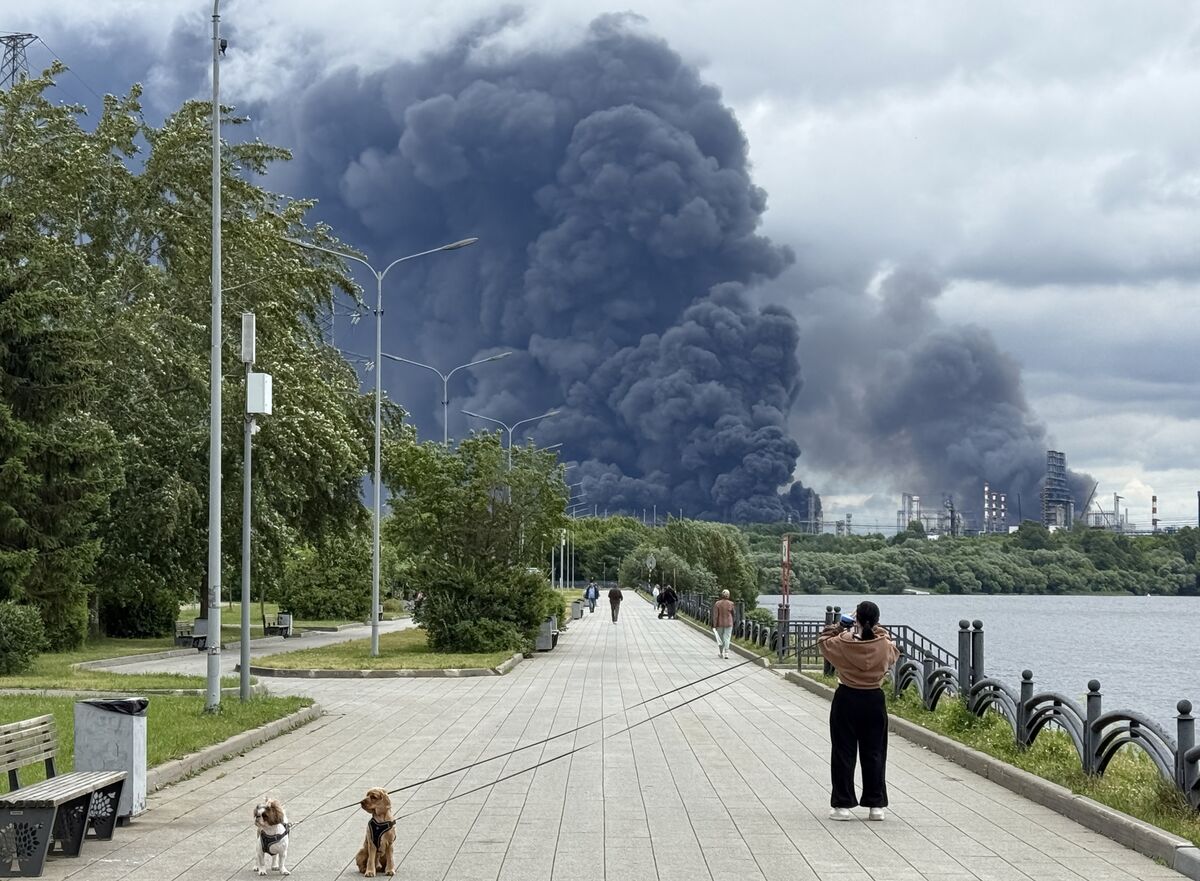
The most consequential recent loss is at Orsk, roughly 1,300 kilometres from the front line.
The facility was struck this week and has been shut down. The governor of Orenburg region, where it sits, confirmed Thursday that repairs will take months — with the closure expected to run six months.
The distance matters as much as the damage. Striking a target that far inside Russian territory demonstrates a reach that complicates any defensive planning based on protecting a border zone.
Rationing Has Become Widespread
The current shortages are not new so much as recurring. Companies and ordinary drivers have faced repeated disruption for months.
Nearly every Russian region has at some point been forced to limit fuel sales or apply other forms of rationing, including bans on filling jerry cans — a restriction aimed at hoarding.
Krasnodar Feels It Sharply
The Krasnodar region on the Black Sea, known for its beach tourism, has been among the hardest hit.
Regional governor Venyamin Kondratyev said the petrol supply situation at service stations has become complicated. Oil companies, he said, have once again begun restricting the volumes delivered and cutting station opening hours.
He acknowledged this is generating concern among both residents and visitors, and said he had requested that authorities send additional fuel.
For a region whose summer economy depends on people driving in, fuel scarcity carries costs beyond inconvenience.
Putin’s Reluctant Acknowledgment
President Vladimir Putin conceded in June, for the first time, that the country faced a certain deficit of fuel.
Speaking at a meeting focused on the situation, he described Russia as going through a difficult period while insisting the government would honour all its social obligations.
He characterised the problems as non-critical and outlined a response: importing more fuel and accelerating repairs at damaged oil facilities to resolve what he called a temporary deficit.
Shortly afterward, he told state television that Russian arms manufacturers would rapidly increase production of air defence systems to counter Ukrainian attacks.
“Long-Range Sanctions”
Ukrainian President Volodymyr Zelenskyy has adopted a striking phrase for the campaign, describing strikes on Russian energy sites deep inside the country as long-range sanctions.
The framing captures the logic. Conventional sanctions restrict what Russia can sell and to whom. Refinery strikes attack the physical capacity to produce refined product at all — with an immediacy that trade measures cannot match.
Why Refineries Specifically
Targeting refining capacity rather than extraction reflects a deliberate calculation:
- Refineries are large, fixed and difficult to disperse or conceal
- Repairs require specialised equipment, much of it subject to Western export controls
- Damage translates quickly into domestic shortages, which are politically visible
- Reduced refining cuts export earnings of higher-value products
- Crude extraction can continue while the ability to process it is constrained
The result is pressure that surfaces at petrol stations rather than only in export statistics.
The Political Dimension
Fuel queues occupy a particular place in Russian public memory, associated with the late Soviet period and the disorder that followed. That history is part of why the government has generally preferred to manage shortages quietly through regional restrictions rather than national announcements.
Friday’s statement suggests that approach has become harder to sustain. When multiple regions impose rationing simultaneously and a major refinery goes offline for half a year, the situation becomes difficult to characterise as isolated.
What Comes Next
Russia’s stated remedies — increased imports and faster repairs — both face constraints. Import options are limited by sanctions and by which suppliers are willing to transact. Repair timelines depend on parts and expertise that are not freely available.
Meanwhile, the strikes have not stopped. As long as Ukrainian systems can reach targets more than a thousand kilometres inside Russian territory, each repaired facility remains a potential target again.
The immediate question for Russian authorities is whether supply can be stabilised before shortages move from a regional irritation to a nationwide political problem.
Author
-
Lucienne Albrecht is Luxe Chronicle’s wealth and lifestyle editor, celebrated for her elegant perspective on finance, legacy, and global luxury culture. With a flair for blending sophistication with insight, she brings a distinctly feminine voice to the world of high society and wealth.