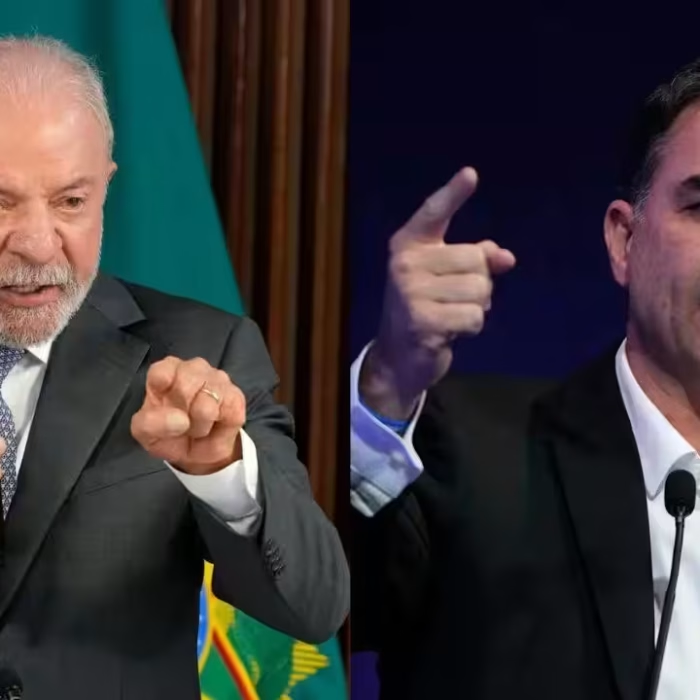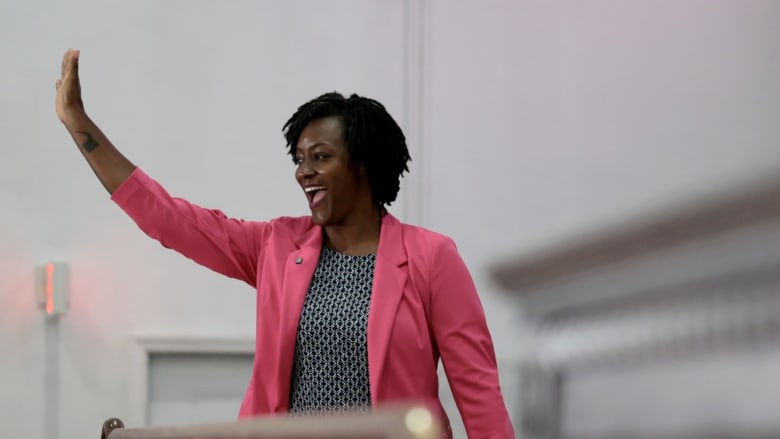
The Vindman Florida Senate primary produced one of the most talked-about upsets of the night, and it handed Donald Trump a chance to gloat about an old adversary. The former National Security Council official, once a household name for his role in Trump’s first impeachment, was beaten by a state lawmaker aligned with the Democratic Socialists of America. Trump wasted no time reacting.
A Victory Lap on Social Media
Election nights have developed a predictable rhythm in Trump’s world. As results roll in, the president logs on to Truth Social and starts posting congratulations to the Republicans he backed, framing every win as proof that his endorsement still carries decisive weight inside the party.
This time, though, one post stood out from the rest. Instead of praising an ally, Trump aimed at an opponent, mocking Vindman by calling him a “SleazeBag” and needling him for losing to what the president described as a radical leftist. He capped it off with a taunting question about how great the outcome was.
It was a reminder that Trump’s grudges rarely fade. Years after the impeachment saga, the man who testified against him remains a target worth a late-night post.
Who Is Alexander Vindman?
For anyone who tuned out of the news cycle after 2019, a quick refresher explains why the result carries symbolic weight.
Vindman was born in Kyiv and came to the United States as a young Jewish refugee from the former Soviet Union. He built a military and national security career that eventually placed him on the National Security Council staff, working on Ukraine policy.
He became nationally known when he appeared before Congress to describe a phone call between Trump and Ukrainian President Volodymyr Zelensky. That testimony sat at the center of Trump’s first impeachment and turned Vindman into a hero to Trump’s critics and a villain to his supporters. He is also part of a political family. His twin brother currently serves in Congress representing a Virginia district.
That combination of national profile, media familiarity and family connections would normally make a candidate hard to beat in a primary. It did not work out that way.
Money Alone Could Not Close the Deal
The most striking detail of the race is the financial gap. Vindman raised roughly sixteen times more than his closest rival, an advantage that usually translates into more advertising, more staff, more mail and more visibility.
He still lost, and not narrowly.
That outcome reinforces a lesson political operatives keep relearning:
- Name recognition built on national television does not automatically transfer to local ballots.
- Fundraising totals measure enthusiasm from donors, not necessarily voters.
- Primary electorates are small, motivated and often ideologically driven.
- A candidate who feels imported into a district can struggle against someone with deep community roots.
In short, the checkbook advantage met an organized base and lost.
The Candidate Who Won
Angie Nixon, the winner, has built her reputation as an unapologetic progressive. She is associated with the Democratic Socialists of America and has drawn attention within her own party for pushing pro-Palestinian measures at the state level, positions that have generated both loyal support and sharp criticism.
Her victory fits a broader trend visible in Democratic primaries over the past several cycles. Left-leaning candidates with strong grassroots networks have repeatedly beaten better-funded establishment figures, particularly in urban districts where turnout is driven by activists rather than casual voters.
Whether that model translates to a statewide general election in Florida is a separate question entirely, and one Democrats will now have to answer in public.
Why Trump Found the Result So Useful
For Trump, the outcome offered two benefits at once.
First, it let him settle a personal score. Watching a witness from his impeachment lose a primary is the kind of moment he has never been shy about celebrating.
Second, it gave him a talking point. By highlighting that Democratic voters chose a self-identified democratic socialist over a decorated national security veteran, Trump can argue the opposition party is drifting toward its ideological edges. That framing has been a staple of Republican messaging, and a real primary result is more persuasive than an abstract warning.
His other posts of the night stuck to the usual script, including a broad boast about a great many wins for his endorsed candidates.
The Bigger Picture
Several themes emerge from this race that will likely repeat elsewhere.
- The Democratic Party continues to wrestle with an internal split between pragmatic centrists and movement progressives, and primary voters keep choosing the latter in certain districts.
- Celebrity earned through national controversy is a fragile political asset. Voters may recognize a name without feeling any connection to it.
- Republicans will use results like this to shape the general election conversation, arguing that the opposition has moved too far left.
- Democrats will counter that authentic, locally rooted candidates energize turnout in ways cautious campaigns never do.
Both arguments will be tested when the general election arrives.
What Happens Next
Nixon now moves forward as her party’s nominee, carrying both the energy of her base and the burden of proving she can appeal beyond it. Her positions will face far tougher scrutiny in a statewide contest than they did in a primary.
Vindman, meanwhile, faces a familiar crossroads for defeated first-time candidates. He can regroup for another run, return to commentary and advocacy, or step back from electoral politics altogether.
For now, the Vindman Florida Senate primary stands as a case study in how quickly political capital can evaporate. National fame, sympathetic media coverage and a commanding fundraising lead were not enough to persuade the voters who actually showed up. That is the part both parties should probably study more closely than any social media post.
Author