Serbian President Resigns After Months of Protests: Vučić Steps Down Ahead of Early Elections
The Serbian president resigns at a moment of deep political turmoil, closing one chapter of the country’s politics while opening another full of uncertainty. Aleksandar Vučić has formally stepped down after more than a year of student-driven demonstrations and mounting public frustration over claims of corruption within his government.
Addressing a crowd of supporters outside the presidential building in Belgrade, Vučić defended his record. He told them that his administration had kept Serbia peaceful and stable throughout his nine years in the top job.
A Resignation That Was Months in the Making
The announcement did not come as a complete surprise. Vučić had signalled back in June that he intended to leave office, and his presidential term was already scheduled to end next year.
However, stepping down does not mean stepping away. Serbia’s constitution bars him from seeking a third term as president, so he has turned his attention elsewhere. He is now seeking to become his party’s candidate for prime minister in the upcoming parliamentary vote, a move that could keep him at the very top of Serbian politics.
The Tragedy That Sparked a Movement
To understand how Serbia reached this point, it helps to go back to late 2024. That was when the roof of the railway station in Novi Sad collapsed, killing 16 people.
The disaster quickly became about much more than one building. The station had recently been renovated, and Vučić had personally linked himself to the project, presenting it as a symbol of Serbia moving forward. For many citizens, the collapse instead became a symbol of something darker: alleged shortcuts, poor oversight and corruption.
Anger spread rapidly. What started as grief turned into a broad protest movement that drew in people from many walks of life, including:
- University students, who became the driving force of the demonstrations
- Teachers and educators
- Workers from a range of industries
- Farmers from rural areas
Protesters saw the tragedy as the result of more than ten years of rule by Vučić’s Progressive Party.
Resignations Failed to Calm the Streets
In an attempt to ease the pressure, several officials serving under the president stepped down. These departures did little to satisfy the public.
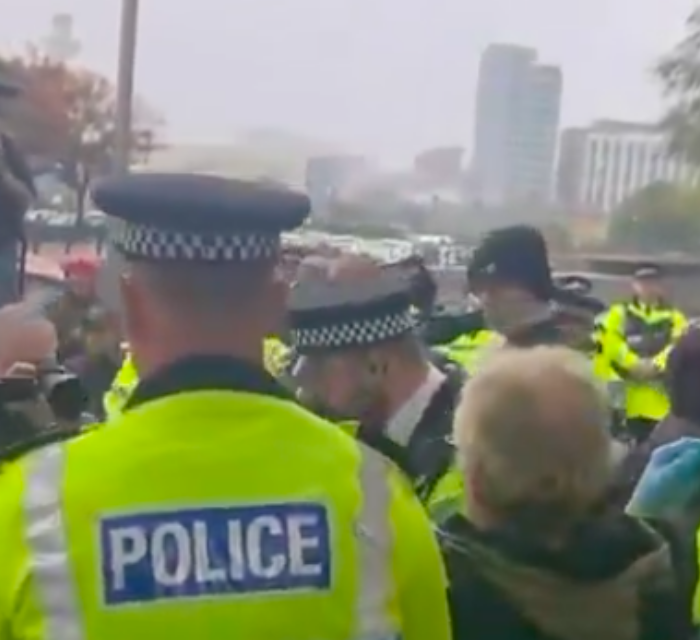
The demonstrations carried on throughout the summer, and tensions grew sharper after accusations surfaced that police had used excessive force against protesters. At times, the unrest turned into open confrontation, deepening the divide between the government and a large section of the population.
One of the movement’s key demands eventually became a fresh election, giving voters the chance to deliver their own verdict on the ruling party.
Two Elections Before the Year Ends
Vučić’s departure sets off a busy political calendar. Under Serbia’s constitution, a presidential election has to be held within three months of a president resigning.
On top of that, a snap parliamentary election, called in response to the protests, is already set for late October. As a result, Serbians will be casting ballots twice before the end of the year.
According to Vučić, the presidential vote will take place more than a month after the parliamentary election. That timing means the makeup of the new parliament could shape the mood heading into the race for the presidency.
Who Takes Charge in the Meantime
Until a new president is chosen, parliamentary speaker Ana Brnabić will serve as interim head of state. Brnabić is also a member of the Progressive Party, which means the ruling camp will keep control of the office during the transition period.
A Controversial Parting Decision
Before leaving office, Vučić used his constitutional powers to issue pardons to 49 people. According to the Serbian public broadcaster RTS, the list included 23 students as well as loyal party members who were suspected of offences connected to the turbulent events of the past year and a half.
Vučić described that period as a terrible time for the country. Supporters may see the pardons as an effort to heal divisions, while critics are likely to question why party loyalists were included alongside protesters.
The Battle Lines for the Vote
The parliamentary election is shaping up as a three-way contest that reflects the country’s deep divisions:
- The Progressive Party, led by Vučić, which is hoping to hold on to power
- Students Win, a student-led anti-corruption movement born out of the protests
- European Serbia, a coalition of pro-Western opposition parties
The emergence of Students Win is especially notable. A movement that began on university campuses and in the streets is now attempting to translate public anger into seats in parliament.
A Long Career at the Centre of Power
Vučić has dominated Serbian politics for well over a decade. He became prime minister in 2014 and then won the presidency for the first time in 2017.
His foreign policy has often been described as a balancing act. On one hand, he has repeatedly said that he wants Serbia to become a member of the European Union. On the other, he has maintained warm relations with Russia and welcomed large amounts of Chinese investment into the country. His populist style and pro-Russian leanings have made him a divisive figure both at home and abroad.
What This Means for Serbia
Vučić’s resignation marks a turning point, but it may not be the end of his influence. If his party performs well in October and he secures the role of prime minister, he could remain the most powerful figure in the country, simply from a different office.
For the protesters, the coming weeks will test whether months of street pressure can be turned into real political change at the ballot box. For Serbia as a whole, the elections will help decide not only who governs, but also which direction the country leans between Europe and its ties to the East.
Author