Trump Strikes Greenland Security Deal With Denmark, Stepping Back From Annexation Push
The Greenland security deal announced by President Donald Trump this week marks a significant retreat from his long-standing ambition to bring the Arctic territory under direct American control, even as he framed the arrangement as a major win.
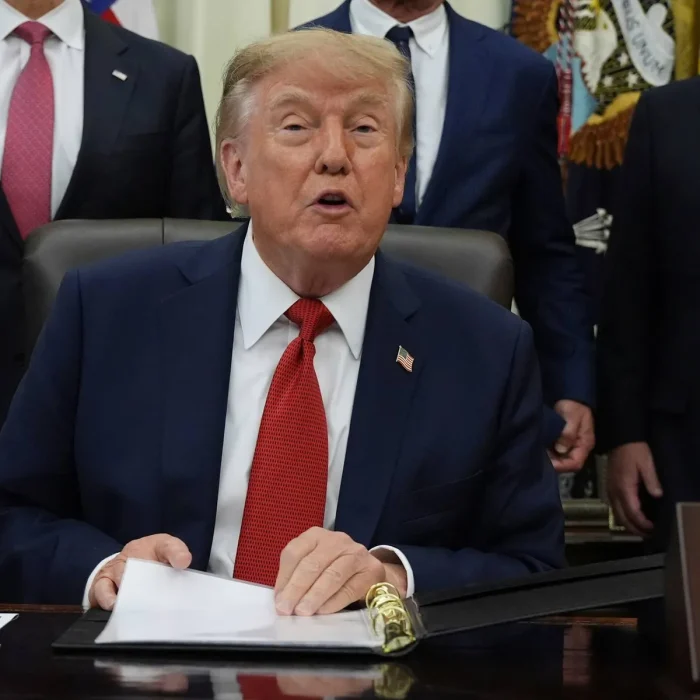
Trump made the announcement Friday, September 18, through a post on his Truth Social platform, declaring that the prolonged standoff over Greenland involving Denmark, the European Union, and NATO had officially come to a close. No matter how he chose to phrase it, the underlying reality was clear: this represented a retreat from positions he’d held for years.
What The Deal Actually Involves
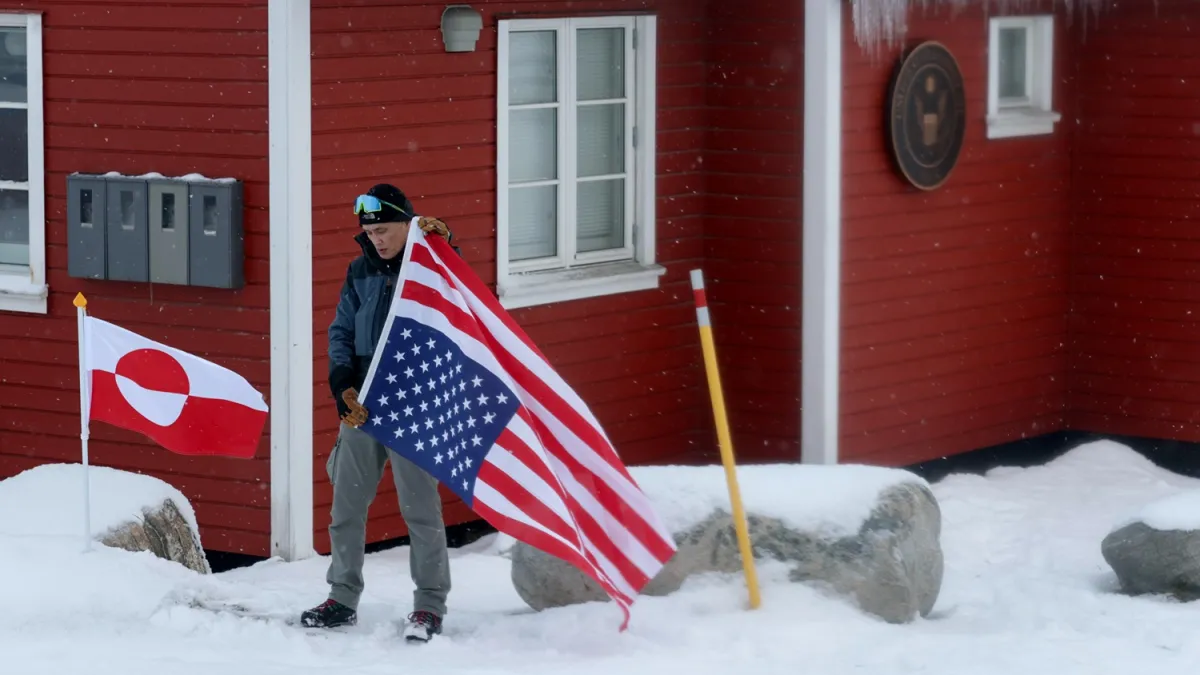
According to Trump’s own account, the United States reached an agreement with both the Danish government in Copenhagen and Greenland’s local authorities, granting Washington what he described as permanent control over the region’s security. He called the arrangement a dream come true and revealed plans to establish a substantial American military presence on the island going forward.
What makes this announcement particularly notable is what it leaves out. By agreeing to this security-focused arrangement, Trump effectively abandoned his earlier push to extend full American sovereignty over Greenland, an idea he’d floated repeatedly since his first term in the White House. That ambition had triggered genuine alarm among US allies, straining relationships with Denmark and raising broader concerns across NATO about American intentions toward an autonomous territory belonging to a fellow alliance member.
Whether Trump might revive those sovereignty ambitions again down the road remains an open question, but for now, the security agreement represents a clear step back from the more aggressive territorial rhetoric that defined his earlier approach to the issue.
Months Of Quiet Diplomacy
This agreement didn’t materialize overnight. It came together through discreet diplomatic negotiations that had been quietly unfolding over the past six months. During that stretch, the Greenland dispute largely faded from public attention, overshadowed by other pressing international matters, particularly the conflict between the United States and Iran that dominated headlines during the same period.
That behind-the-scenes diplomatic work apparently paid off, resulting in an arrangement that both sides could publicly support, even if their characterizations of the deal differed sharply.
Denmark’s Response Strikes A Different Tone
Danish Prime Minister Mette Frederiksen issued her own statement late Friday night, and her framing of the agreement contrasted noticeably with Trump’s triumphant language. Rather than describing it as any kind of American victory, Frederiksen welcomed an arrangement that she said respects Denmark’s national sovereignty and upholds the Greenlandic people’s right to determine their own future.
She went further, characterizing the deal as something that strengthens collective security throughout the Arctic and North Atlantic region, benefiting not just Denmark but NATO and Europe more broadly. Her measured, alliance-focused framing stood in stark contrast to Trump’s personal, almost celebratory description of securing a long-sought prize.
That difference in tone reveals something important about how each side wants this story understood. Trump’s language suggests conquest or acquisition, even in the absence of formal sovereignty, while Frederiksen’s remarks emphasize partnership, mutual security, and respect for Greenlandic autonomy, three concepts that sit uneasily alongside Trump’s characterization of the moment.
Why This Matters For NATO And European Allies
The resolution of this dispute carries weight well beyond the immediate parties involved. Greenland’s strategic location in the Arctic has made it increasingly significant as global powers pay closer attention to the region, particularly given its proximity to shipping routes, natural resources, and potential military positioning relevant to broader geopolitical competition.
For NATO members who watched Trump’s earlier annexation talk with growing unease, this security-focused resolution likely comes as a relief. An American president openly discussing acquiring territory from an allied nation represented an unprecedented challenge to the norms that typically govern relationships between NATO members, and its resolution removes a significant source of friction within the alliance.
At the same time, the establishment of an expanded American military presence in Greenland ensures that Washington will maintain a substantial and lasting role in the region’s security architecture going forward. That outcome serves American strategic interests in the Arctic without requiring the more drastic step of territorial acquisition that had caused so much diplomatic tension over the past several years.
Looking Ahead
While this agreement appears to close one contentious chapter in the relationship between the United States and its European allies, questions remain about how the arrangement will function in practice and whether it will fully satisfy all parties involved long-term. The details of exactly what a large military presence will look like, how it will be governed, and what role Greenlandic authorities will play in ongoing decisions haven’t been fully spelled out in the initial announcements from either side.
What’s clear for now is that both Washington and Copenhagen have found a way to move past a dispute that had threatened to create lasting damage to transatlantic relationships, even if their public descriptions of that resolution reveal very different perspectives on what exactly was accomplished.
Author