Newsom Signs Landmark Bill To Help Hollywood Workers Adapt To AI
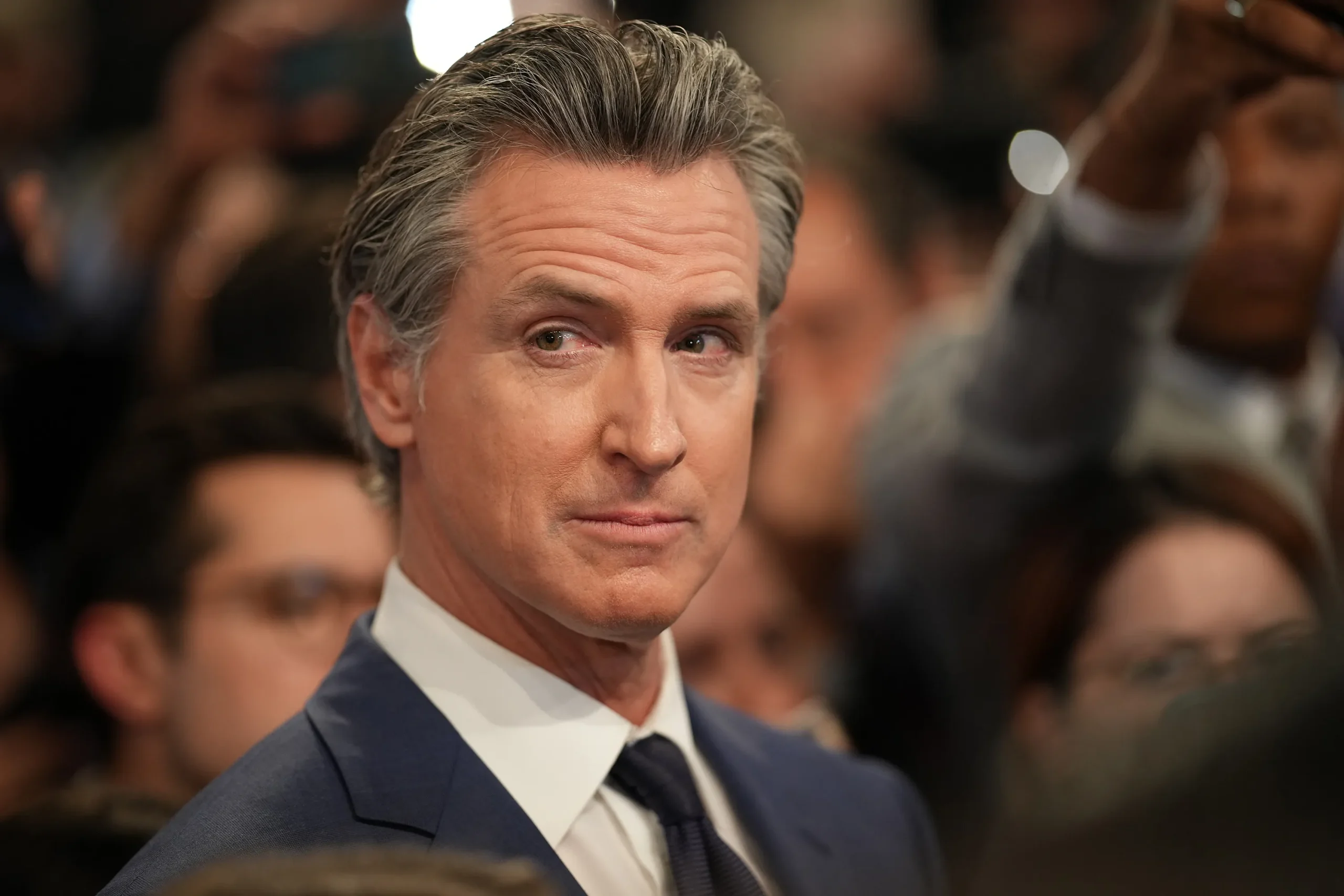
The Hollywood AI training bill signed this week by Governor Gavin Newsom represents one of California’s first legislative efforts specifically targeting the entertainment industry’s relationship with artificial intelligence, even as the governor simultaneously pushed for stricter AI safety measures statewide.
What The New Law Actually Does
Newsom’s office confirmed Friday that the governor had signed the legislation, which establishes a 15 million dollar pilot program focused on training entertainment workers through California’s community college system. While modest in scope compared to broader AI regulation efforts, the bill carries symbolic weight as one of the state’s first laws directly addressing how Hollywood should navigate the rapidly evolving technology.
Assemblymember Rebecca Bauer-Kahan, who authored the legislation, framed the bill within Hollywood’s long history of embracing technological change, from the earliest silent films through today’s digital era. She explained that this pattern of adaptation reflects an industry that has consistently found ways to integrate new technology while still centering the human creativity that makes filmmaking special.
The bill, officially known as AB 2504, arrives at a moment when even enthusiastic AI supporters and some lawmakers are calling for the technology’s rapid development to slow down in the interest of safety. That same day, Newsom issued a separate executive order calling for a panel of experts to study recommendations around requiring AI companies to build in emergency shutoff mechanisms, sometimes referred to as kill switches.
The Industry Voice Behind The Bill
The legislation traces its origins to Hannah Linkenhoker, a senior policy and political adviser at talent agency WME, who championed the bill and secured formal support from her agency, along with an endorsement from the entertainment union SAG-AFTRA. Linkenhoker argued that since AI technology already exists and continues advancing regardless of legislative timelines, policymakers need to act now rather than waiting for a more convenient moment.
She described WME’s overall approach to artificial intelligence as one of cautious acceptance, embracing the technology’s inevitability while working to protect workers and clients throughout the transition. According to Linkenhoker, most of the agency’s clients share a consistent view: AI should function as a tool that supports human artists, not as a replacement for human creative work.
How The Program Will Actually Work
Implementation responsibility falls to the California Community Colleges Chancellor’s Office, which will lead development of what’s being called the Future of Creative Industries Pilot Program. Rather than designing curriculum in isolation, officials plan to consult directly with Hollywood employers, labor unions, and technology companies, including Adobe, to shape training models that actually reflect industry needs.
Linkenhoker expressed optimism about the broader implications of this collaborative approach, suggesting that proactive policymaking now could give society meaningful control over how AI’s role in creative industries ultimately develops. She described the bill as an initial step that could potentially spark a larger coalition working together on responsible AI integration.
A Rare Win For A Struggling Industry
The bill’s passage carries extra significance given Hollywood’s recent struggles with economic pressures and productions relocating to other states and countries in search of better incentives. Against that backdrop, AB 2504’s signing became something worth celebrating within the industry.
That celebration played out quite literally at a WME-hosted gathering earlier in the week, where Linkenhoker offered a toast honoring Bauer-Kahan’s work on the bill. Assemblymember Rick Chavez Zbur, a Los Angeles Democrat, and state Senate candidate Brian Goldsmith both attended the event, watching as Linkenhoker presented Bauer-Kahan with a gift bag marking the occasion.
There’s a certain irony worth noting in what that gift bag actually contained. Despite Bauer-Kahan’s emergence as one of California’s leading voices on AI policy, the presents WME chose reflected distinctly old-fashioned sensibilities, stationery and a pen, a lighthearted nod to the human, analog creativity that the legislation itself aims to protect even as the industry embraces increasingly sophisticated technology.
What This Means Going Forward
While AB 2504 represents only a modest first step, its passage signals growing recognition among California lawmakers that AI’s impact on creative industries requires thoughtful, collaborative policy responses rather than either wholesale rejection or unchecked adoption. As other states and industries grapple with similar questions about AI’s role in creative and knowledge work, California’s approach, pairing workforce training with continued dialogue between labor, employers, and technology companies, may offer a template worth watching in the months ahead.
Author