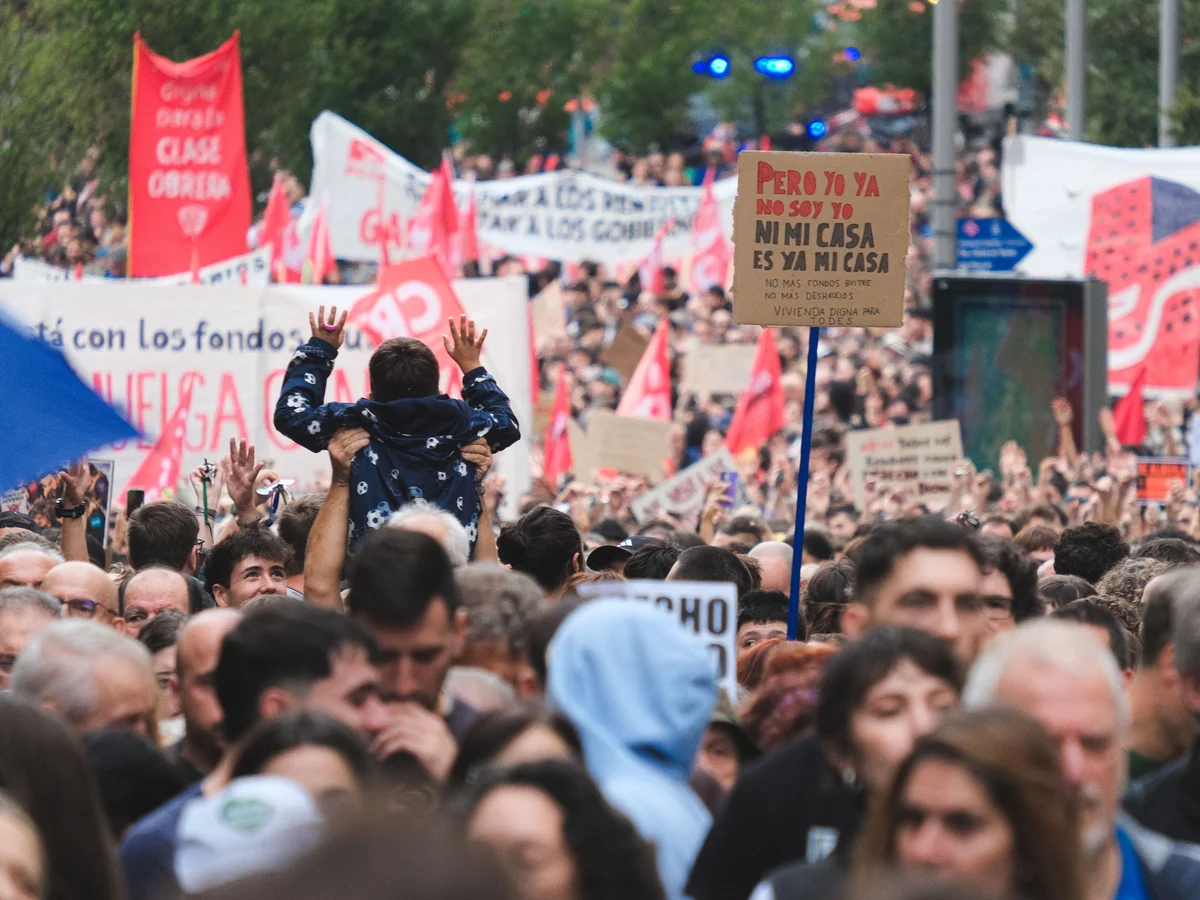
The France student protests have grown into the country’s most serious youth uprising in decades. What began as a small show of support for striking teachers at one suburban school has spread across the nation, closing hundreds of schools and putting the government under heavy pressure at a very awkward moment.
How a Local Strike Became a National Crisis
On September 21, pupils at Saint-Exupéry high school, north of Paris, joined their teachers to protest a shortage of staff and resources. The school soon received extra staff, and the strike ended. By then, though, the spark had travelled.
Students in Paris and its surrounding region began blocking school entrances. Within days, similar scenes appeared from Lille in the north to Marseille in the south. Student leader Manès Nadel said the movement spread like wildfire and that the Education Ministry was overwhelmed.
The numbers are striking:
- More than 5,000 people have been taken into police custody, mostly minors with no criminal record
- Over 100 high schools have been damaged
- Damage in the Paris region alone is put at about 7 million euros
- Students, teachers and police officers have all been hurt
Two young people suffered serious injuries. A student in Lens lost a hand after reportedly picking up a grenade, and another in Tours lost the use of an eye.
Grievances That Have Built Up for Years
The speed of the protests surprised many, but the complaints are old. Students describe an education system that is overcrowded, under-equipped and short of teachers. Videos have circulated for years showing classrooms without enough desks or chairs, and lessons cancelled when absent teachers are not replaced.
Demographics play a part. A spike in births in 2010 means more teenagers are now in secondary school, yet funding has fallen in real terms. Secondary schools have fewer teachers than in 2008 despite 250,000 extra pupils, and in public schools, 70 percent of classes hold more than 30 students.
Concerns About the Police Response
Critics say officers have been heavy-handed. One officer was filmed using a headlock on a girl in Alençon, a technique now banned by law. Images of burning bins, barricades and clashes with police have also raised questions about the role played by the hard-left party La France Insoumise.
A Government Struggling to Respond
Opponents call the official reaction slow and tone-deaf. Early comments focused on LFI’s presence at the barricades, the need for firm policing and the cost of the damage. LFI, led by Jean-Luc Mélenchon, has defended both the students’ right to protest and its own right to take part.
One concession has been made: a planned rise in fees at technological high schools for 2027 has been dropped from the budget. After violence peaked late last week, with around 2,000 detentions in a single day, Education Minister Édouard Geffray met student leaders on Friday. No deal was reached, and the students called for a huge turnout on Tuesday. Nadel said the government was answering only with repression.
Money Is Tight
The government is trying to pass a 2027 budget that cuts the deficit to around 5 percent of GDP, which requires painful savings. Last week, France’s 10-year bond yield briefly rose above 5 percent, its highest since 2002, as the unrest added to fiscal worries.
Politics Is Never Far Away
The protests have also kicked off a bitter contest ahead of next spring’s presidential election, with the far right and far left gaining while the centre struggles. Mélenchon is expected to do well, and for his camp, students are a natural audience. For the government, they mean disorder and extra spending pressure at the worst possible time.
History offers a warning. The May 1968 student revolt grew into the largest strike in French history. Its famous slogan urged people to be realistic and ask for the impossible. Today’s students, by contrast, say they are asking for the bare minimum: schools where they can actually learn.
What to Watch Next
- The scale and tone of Tuesday’s marches
- Whether talks between the government and student leaders resume
- Further changes to the 2027 budget
- How the protests shape the presidential race
The Bottom Line
This is a crisis fed by real, long-standing frustration, now magnified by money worries and political rivalry. How the government answers in the coming days will decide whether it fades or grows.
Author