




Vance Letter to Iran Signals Nuclear Issue Must Be Central to Any Talks
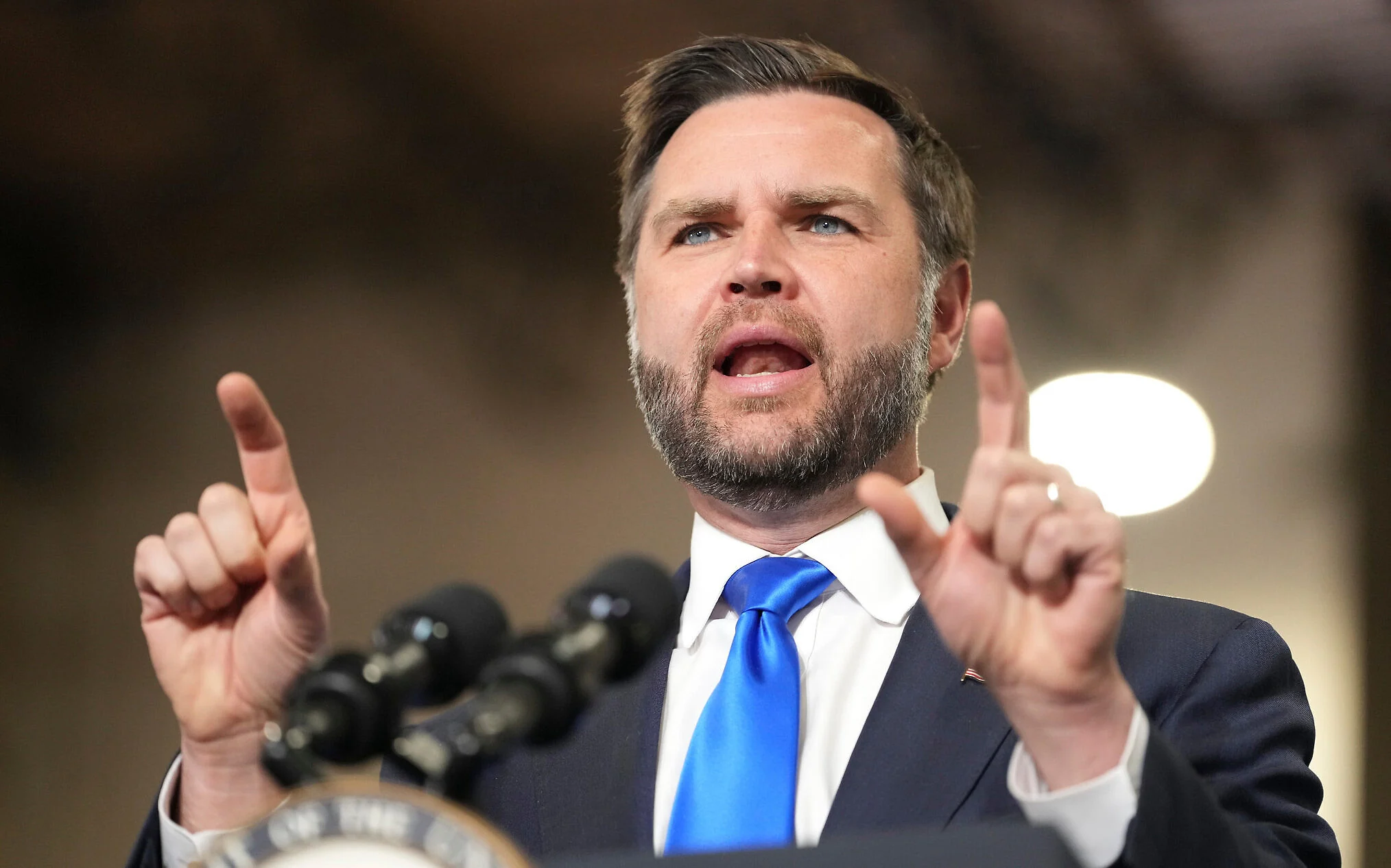
The Vance letter to Iran marks the most senior American outreach to Tehran in months, and it comes with a clear condition attached. According to a US official, Vice President JD Vance wrote to Mohsen Rezaei, one of Iran’s most powerful national security figures, to make the case that any negotiations aimed at averting further US military action must include the nuclear question. The message arrives at a sensitive moment, with President Donald Trump weighing whether to resume large-scale combat operations against Iran once the midterm elections are behind him.
Who Received the Letter and Why It Matters
The choice of recipient is itself significant. Rezaei sits near the top of Iran’s security establishment and is understood to have a direct channel to Supreme Leader Mojtaba Khamenei. Sending a message to him, rather than through lower-level diplomats, suggests Washington wanted its position to reach the very centre of Iranian decision-making without being filtered or delayed.
The idea for the letter reportedly originated with Vance himself. A US official said the president responded enthusiastically to the proposal, though the official would not confirm exactly when the message was dispatched. The Wall Street Journal was the first outlet to report on the correspondence.
For months, direct high-level contact between the two governments has been largely frozen. Against that backdrop, a personal letter from the vice president to a senior Iranian hardliner represents a notable, if cautious, step back toward dialogue.
The Core Condition: Nuclear Talks Cannot Be Avoided
The substance of the message is simple. Washington is signalling that it is open to restarting negotiations, but only if those negotiations deal directly with Iran’s nuclear programme. The US official summarised the letter’s position as requiring that any talks include discussion of the nuclear issue.
This reflects a long-standing American view that Iran’s enrichment activities and broader nuclear ambitions are the root concern driving confrontation. From Washington’s perspective, a negotiation that sidestepped the nuclear file would leave the central problem unresolved and offer little justification for holding back military pressure.
Why the Timing Is Delicate
The letter comes as the administration considers a return to major combat operations in Iran after the midterms. That sequencing matters. By reaching out now, the White House appears to be testing whether a diplomatic path exists before committing to renewed strikes.
The outreach can be read in two ways:
As a genuine attempt to find an off-ramp that avoids further conflict
As a final warning that sets out the terms Tehran must accept to prevent escalation
Both interpretations may be true at once. Offering talks while preparing for military action is a familiar pattern in coercive diplomacy, where the credibility of the threat is meant to make the offer more attractive.
The Sticking Points on Each Side
Even with a channel reopened, the gap between the two governments remains wide. The main obstacle lies in the order of events.
Iran’s demands come first in its view. Tehran has insisted that before any negotiations begin, the United States must:
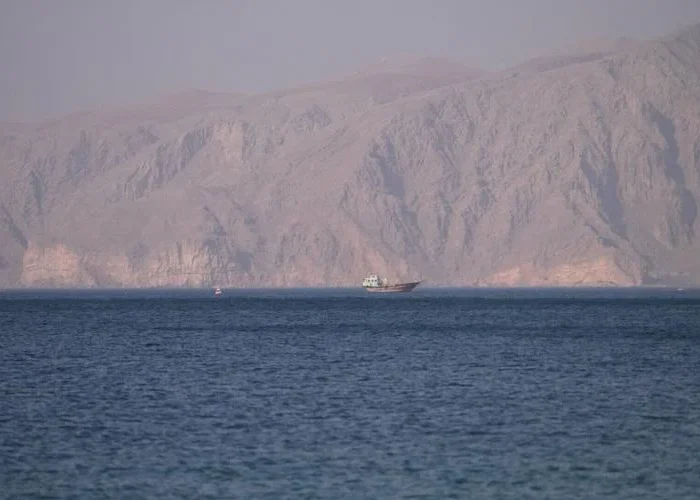
Lift the naval blockade restricting Iranian shipping
Release Iranian funds frozen abroad
Permit Iran to sell its oil on international markets
Washington’s position is the reverse. The United States wants Iran to return to nuclear negotiations first, with sanctions relief following only as a result of progress at the table. From the American standpoint, easing economic pressure before talks even start would surrender leverage and reward Iran for nothing.
This disagreement over sequencing has derailed previous efforts to relaunch dialogue, and nothing in the current reporting suggests either side has shifted its fundamental stance.
Trump’s Public Framing
When asked about the letter on Wednesday, President Trump described it in notably different terms. He told reporters that the message concerned helping Iran obtain medical supplies for people who are unwell, characterising it essentially as a humanitarian matter.
That description sits somewhat apart from the US official’s account, which emphasised the nuclear condition and the possibility of restarting negotiations. The difference may reflect a deliberate choice to keep the public messaging low-key while the substantive diplomacy happens privately. It could also indicate that the letter addressed several topics, with humanitarian access forming one strand alongside the political and security questions.
Either way, the humanitarian framing offers both governments a less politically charged way to describe contact that might otherwise be controversial at home.
What Happens Next
Several questions will determine whether the Vance letter to Iran leads anywhere:
Will Rezaei or the Supreme Leader’s office respond, and through what channel?
Can the two sides find a compromise on sequencing, perhaps through partial or phased steps?
Will regional mediators play a role in bridging the gap?
Does the post-midterm timeline give diplomacy enough room before military decisions are made?
Tehran has not publicly confirmed receipt of the letter or indicated how it intends to reply. Given the stakes, any Iranian response is likely to be weighed carefully and may come indirectly rather than through a public statement.
A Narrow Window
The letter does not resolve the standoff, but it does clarify where Washington stands. The United States is prepared to talk, yet it will not treat the nuclear issue as negotiable in the sense of being optional. Iran, for its part, continues to demand economic relief as the price of entry.
Whether these positions can be reconciled in the weeks ahead will go a long way toward deciding if the region moves toward renewed negotiations or back toward open conflict. For now, the Vance letter to Iran stands as a signal that the door to diplomacy has not fully closed, even as the possibility of military escalation remains very much on the table.
Author