






Dnipro Rail Platform Strike Kills 14 as Europe Demands Tougher Action Against Russia
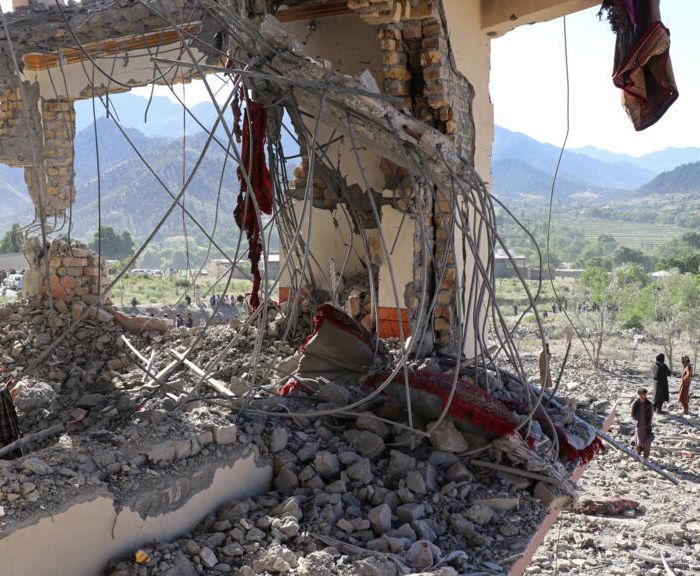
The Dnipro drone attack on Thursday has become one of the most shocking single incidents in recent weeks of the war, with a Russian drone striking a crowded railway platform and killing at least 14 people. The strike, which also wounded 14 others, drew sharp condemnation from European capitals and prompted Ukrainian President Volodymyr Zelenskyy to warn that intelligence points to further ballistic missile attacks in the days ahead.
As the conflict enters its 1,710th day, the picture is one of stark contrasts: a localised ceasefire holding in one devastated city, while civilians elsewhere continue to die.
A Busy Platform Turned Into a Target
The drone hit the Dnipro station while the platform was full of people. Emergency crews worked through the aftermath as the casualty count climbed. Later the same day, another strike in the city set a student dormitory on fire, according to regional governor Oleksandr Hanzha. He added that the combined attacks knocked out electricity for around 350,000 households.
Zelenskyy called the station strike horrific and used the moment to press his central argument to Western partners: that sanctions on Moscow must stay firmly in place for as long as the war continues. He also disclosed that Ukraine has intelligence suggesting Russia is preparing new ballistic missile barrages and said Kyiv needs the capability to neutralise those threats, adding that it is waiting on decisions from its allies.
Kyiv Comes Under Missile Fire
The warning proved timely. Later on Thursday, Russian forces fired ballistic missiles at the Ukrainian capital. Mayor Vitali Klitschko reported on Telegram that warehouses on the eastern bank of the Dnipro River were hit and caught fire, with emergency services dispatched to the scene. Information on casualties in Kyiv was not immediately available.
Europe Reacts With Anger
The response from European leaders was swift and unusually direct.
António Costa, president of the European Council, described the Dnipro attacks as cruel and devastating. He said the EU would keep tightening pressure on Russia while backing Ukraine until a fair and durable peace is reached, and he urged international partners to follow suit.
French President Emmanuel Macron argued that the situation demands much more than a localised ceasefire, a pointed reference to the limited truce currently in effect in the occupied city of Oleshky.
The tone of these statements suggests the strike has hardened, rather than softened, European resolve at a moment when some voices on the continent have been debating whether to reopen dialogue with Moscow.
The Fragile Truce in Oleshky
In contrast to the violence in Dnipro and Kyiv, a small-scale ceasefire has now held for a third day in Oleshky, a city under Russian occupation since 2022. Residents there have endured months of severe shortages of food, water, and medicine.
Both Russia and Ukraine said on Thursday that a humanitarian operation is ready to begin, aimed at delivering aid into the city and letting civilians who wish to leave do so. The arrangement is narrow in scope and could collapse at any point, but for now it represents a rare example of the two sides coordinating on anything.
The truce did nothing to stop attacks elsewhere. Local officials reported that strikes across other parts of Ukraine on Thursday killed at least 20 people and injured more than 70.
Ukraine Pauses Refinery Strikes Under US Pressure
A separate report in the Wall Street Journal revealed a significant shift in Ukraine’s own campaign. According to people familiar with the operations, Ukraine’s military has halted its long-range strikes on Russian oil refineries following pressure from US President Donald Trump.
Key points from the report:
Units responsible for deep strikes were informed in mid-October that the refinery campaign was effectively suspended once missions already underway were finished.
The pause is informal rather than publicly declared.
It is expected to run at least until after the US midterm elections, and possibly well into November.
The refinery campaign had been one of Ukraine’s most effective tools for hitting Russia’s war economy, so a pause carries real strategic cost. It also highlights the degree to which Kyiv’s operational choices are now shaped by Washington’s political calendar.
Zelenskyy Takes Aim at the Trump-Putin Deal
The Dnipro strike gave Zelenskyy fresh grounds to criticise an arrangement between Trump and Russian President Vladimir Putin that loosened certain US sanctions and allowed Russian diesel back onto global markets.
The Ukrainian leader posed a blunt question: how many attacks of this kind has Russia carried out on Ukrainian civilians since restrictions were eased on some oligarchs and on the energy sector, instead of scaling back its aggression? His framing casts the sanctions relief as a reward that Moscow has answered with escalation rather than restraint.
Putin Strikes a Different Note
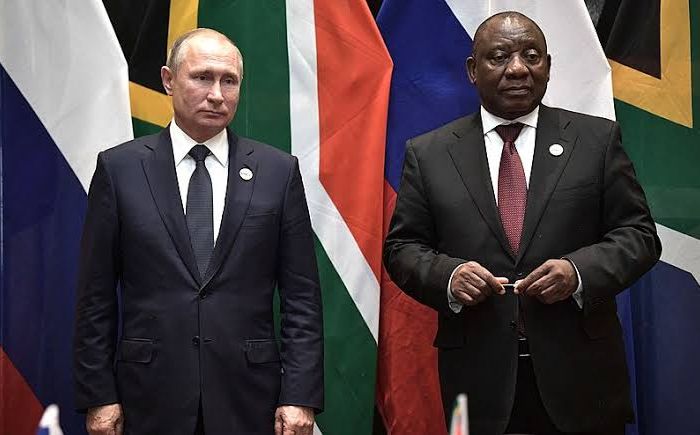
Late on Thursday, after hosting a summit with African leaders, Putin offered remarks aimed at Europe. He said he backs any effort to repair ties with European countries and warned that a broader conflict would leave no winners on any side.
Referring to his phone call earlier in the week with the leaders of Norway and Finland, he said those who want confrontation should prepare for it, but insisted the West has so far failed in its goal of inflicting a strategic defeat on Russia. He added that if matters went too far, everyone would lose.
The comments landed on the same day as the Dnipro attack, underscoring the gap between Moscow’s conciliatory language toward Europe and the reality on the ground in Ukraine.
Where Things Stand
Day 1,710 of the war captures the conflict’s current shape in miniature. A humanitarian truce in one city shows that limited cooperation is possible. A deadly drone strike on a train platform shows how quickly civilian life can be shattered. And the political manoeuvring over sanctions, refinery strikes, and dialogue with Putin shows that decisions made far from the front line continue to influence who lives and who dies in Ukraine.
Author