







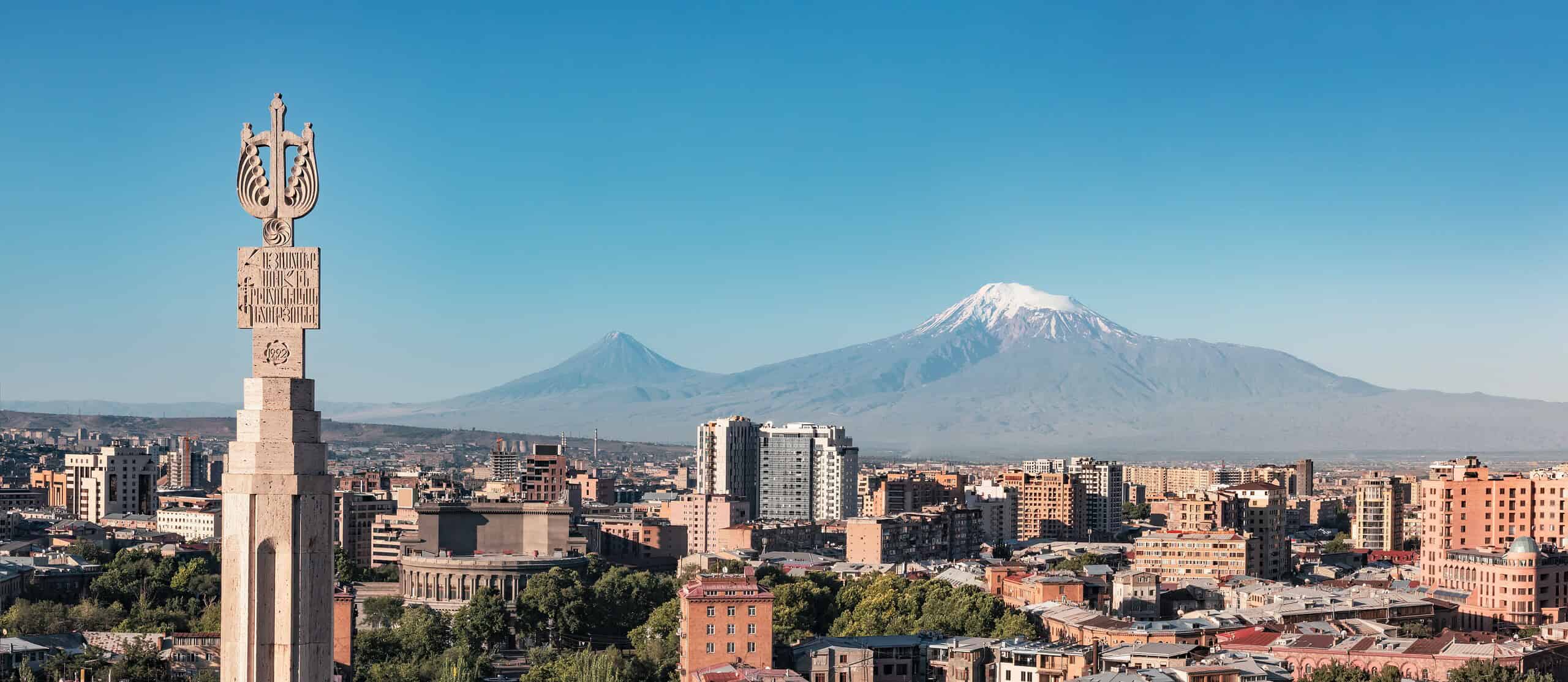
Yerevan Nature Summit Ends With a Deal but Leaves the Money Question Unanswered
The global biodiversity talks in Armenia’s capital nearly fell apart before they finished. For almost two weeks, delegates from close to 200 countries negotiated and quarrelled over how to rescue a nature agreement that is badly off course. Hours past the official deadline, early on Saturday morning, they finally agreed the core elements of a new action plan. Meeting president Hambardzum Matevosyan closed proceedings with a brief expression of relief. The harder truth is that while countries accepted they are falling short, the funding needed to change that remains largely absent.
A Promise Made in 2022
The Yerevan meeting was a check-in on commitments made four years earlier. In 2022, the same nations adopted the Global Biodiversity Framework, a landmark pact pledging to halt and reverse the loss of nature by the end of the decade. Its 24 targets included the widely cited goal of placing 30 percent of the planet’s land and seas under protection by 2030.
The urgency behind that agreement has not faded. Scientists describe the current era as a sixth mass extinction, with species disappearing at roughly 100 times the natural background rate because of human activity.
Yet a UN assessment published this week delivered a sobering verdict: of those two dozen targets, the world is on course to meet just one.
Acknowledging the Shortfall
Part of the Yerevan deal involves countries formally admitting they are behind schedule. That recognition, modest as it sounds, was welcomed by conservation groups as a necessary first step.
Catherine Weller of the charity Fauna & Flora described the outcome as unglamorous and light on detail but said agreement itself was positive. Her central point was that drifting toward 2030 without changing direction is not an option, because nature underpins economies and human wellbeing alike.
Craig Bennett, chief executive of The Wildlife Trusts, was starker. He told BBC News that the scale of loss remains appalling and threatens ecosystem collapse worldwide, adding that it is difficult to find words adequate to the seriousness of the situation. He did, however, stress that successful models for recovery exist in abundance.
Signs That Recovery Is Possible
Those success stories are real. Countries have placed 252 million hectares, or 623 million acres, of degraded land under protection, an area larger than Greenland. Last month, WWF highlighted the rebound of several flagship species, including elephants, green sea turtles, and tigers, and separately pointed to the recovery of bluefin tuna as evidence that nature can bounce back when given the chance.
The lesson delegates drew is not that solutions are unknown, but that they are underfunded and applied too slowly.
The Funding Gap
Money dominated the talks. In 2022, wealthy nations committed to providing 30 billion dollars for nature recovery by 2030 and to unlocking a further 170 billion dollars from private sources.
The UN’s review found pledges are nowhere near the pace required. Many governments have shifted international aid toward defence spending and toward managing repeated energy price shocks, leaving nature budgets squeezed.
At Yerevan, new commitments topped 1 billion dollars. Roughly half came not from governments but from philanthropic sources, including Re:wild, the organisation backed by actor Leonardo DiCaprio. That reliance on private donors underlines how far public funding has slipped.
Paying Twice for Nature
One area of genuine movement concerned subsidies. Anna Ducros, a researcher at the International Institute for Environment and Development who attended the talks, said countries had made some headway on commitments to cut financial support for industries that damage the environment.
She pointed to large-scale fishing, and trawling in particular, as a clear example of taxpayer money underwriting destruction. The contradiction, in her words, is that governments are effectively paying twice: spending to protect nature while simultaneously funding its degradation. Removing those subsidies would free resources and reduce harm at the same time.
The Cali Fund’s Empty Coffers
A specific mechanism called the Cali Fund was created to capture contributions from companies that profit from genetic material found in nature, such as pharmaceutical and cosmetics firms. Estimates suggested it could raise up to 3.6 billion dollars a year. When the Yerevan meeting opened, pledges stood at just 10,000 dollars.
Little changed during the fortnight. Because contributions are voluntary, there is no lever to compel participation. Bennett argued the principle should not be contentious: businesses making money from the biological wealth of biodiversity-rich countries ought to compensate the communities there. Turning that principle into payments remains the challenge.
Science Under Pressure
One item expected to pass smoothly, the approval of scientific reports on the state of nature, instead became a flashpoint. A small group of countries, reportedly including Saudi Arabia and Russia, obstructed the process.
France’s Ecological Transition Minister Monique Barbut told AFP that attacks on science had troubled her deeply. The episode mirrors difficulties faced recently by the IPCC, the UN climate science body, which has struggled over the past month to adopt its own reports and secure funding ahead of next month’s COP31 climate conference.
Professor David Lee of Manchester University, who has contributed to earlier IPCC assessments, called such interference a transparent political manoeuvre, arguing that scientific bodies producing work in humanity’s collective interest should be shielded from it.
What Yerevan Leaves Behind
The summit produced an agreement, an admission of failure, and a handful of encouraging signals on subsidies and protected land. It did not produce the money. With four years left to 2030 and only one target on track, the gap between ambition and resources has never been more visible.
Whether governments close that gap, or continue to let philanthropy and voluntary funds carry the load, will determine if the promise made in 2022 means anything by the end of the decade.
Author